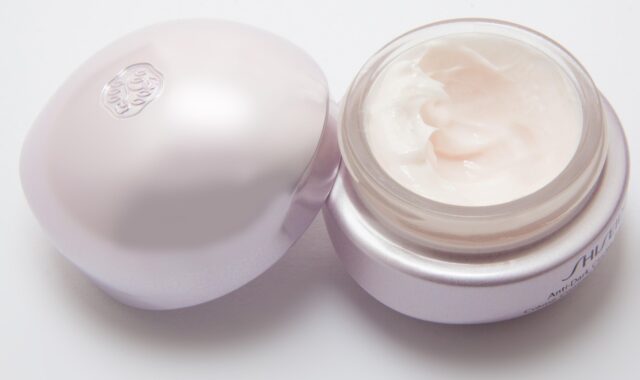
Tula skincare guide for choosing probiotic extract products
a[data-rs-seo-link]{text-decoration:underline!important;color:#1a56db!important;cursor:pointer!important;}a[data-rs-seo-link]{text-decoration:underline!important;color:#1a56db!important;cursor:pointer!important;}
Tula skincare in brief
Tula skincare is a prestige skin care brand known for connecting probiotic extracts, superfood-inspired ingredients and a confidence-first beauty message. For product evaluation, the key point is straightforward: Tula formulas should be assessed as skin care products, not as live probiotic treatments. The brand’s Help Center says its products use probiotic extracts rather than live probiotic cultures. It describes those extracts as ingredients used to support hydration, smoothness and the look of calmer skin.
That positioning makes Tula relevant for people comparing cleansers, moisturizers, brightening products, acne-focused items, eye products and SPF as part of a modern beauty routine. It does not make the brand a substitute for prescription acne, eczema, rosacea or pigmentation care. Tula can be considered when the full ingredient list, product format and label directions match a specific skin goal.
Where the brand fits in the skin care market
Tula was founded in 2014 and is closely associated with Dr. Roshini Raj, a practicing gastroenterologist. The brand’s name is commonly described in company materials as meaning balance in Sanskrit, which supports its positioning around wellness, the skin barrier and healthy-looking skin. That story explains why Tula talks about probiotic extracts, but it should not be read as a medical claim or as a guarantee that every product will suit every skin type.
In January 2022, Procter & Gamble acquired TULA Life, Inc. P&G’s 2022 annual report later listed TULA among acquisitions in its Beauty reporting segment, alongside other prestige beauty transactions. That ownership places Tula within a much larger beauty portfolio and helps explain the brand’s retail expansion, product-line development and broader market visibility.
Retail assortment can change quickly. Brand and retailer materials from recent years have described Tula as an omnichannel brand available through its own direct site and selected beauty retailers. For buyers and consumers, product availability, names, sizes, promotions and regional labels should be checked at the point of purchase rather than assumed from older reviews.
What probiotic extracts mean in Tula products
The most misunderstood part of Tula skincare is the word probiotic. In nutrition, probiotics usually refers to live microorganisms that may provide a benefit when consumed in adequate amounts. Tula’s topical products are different. The brand’s Help Center says its formulas use probiotic extracts and do not contain live probiotic cultures. In practical terms, shoppers should not expect a moisturizer, cleanser or serum to deliver live bacteria to the skin.
This distinction matters because it sets realistic expectations. Probiotic extracts, ferments and related ingredient technologies may be included in formulas designed to support the skin’s feel, comfort and appearance. The final result still depends on the whole formula: the base, humectants, emollients, exfoliating acids, fragrance components, sunscreen filters, preservatives and any active drug ingredients in acne or SPF products. A product is not automatically gentler or more effective because its marketing highlights probiotic extracts.
A stronger way to evaluate Tula is to read each ingredient list by function. A hydrating cream should include ingredients that attract water and help reduce water loss. A brightening serum should be assessed for recognized tone-supporting ingredients and its exfoliating potential. A sunscreen should be judged by broad-spectrum protection, SPF rating, texture, wearability and reapplication directions. The probiotic extract story may be part of the formula, but it should not be the only reason to buy.
How to match Tula product types to common skin goals
Tula’s range has included cleansers, moisturizers, serums, eye products, acne-focused products, body care and sunscreens. Rather than starting with the most promoted item, match the category to the concern you are trying to address. The table below gives a practical framework.
| Skin goal | Relevant Tula category | What to check before buying |
|---|---|---|
| Dryness or tightness | Moisturizers and barrier-supporting creams | Look for humectants and emollients, then check whether fragrance or rich textures suit your skin. |
| Dullness or uneven-looking tone | Brightening serums, exfoliating products or glow-focused moisturizers | Check whether the formula uses acids, vitamin C derivatives or other tone-focused ingredients, and introduce slowly. |
| Oiliness and blemishes | Acne or oil-control products | If the item is marketed as an acne treatment, read the Drug Facts or active ingredient panel where applicable. |
| Daily sun protection | SPF products such as broad-spectrum sunscreen gels or primers | Confirm the SPF level, broad-spectrum wording, water-resistance status if needed and reapplication directions. |
| Puffiness or tired-looking eyes | Eye balms and eye creams | Expect cosmetic improvements in appearance and feel, not permanent correction of dark circles or under-eye structure. |
This approach helps avoid a common mistake: buying an entire brand routine when only one step is missing. If a cleanser already works well, the better addition may be a moisturizer or SPF. If skin is irritated, adding several new products at the same time can make it harder to identify which formula caused the reaction.
A simple routine using the Tula approach
The safer way to try any new skin care brand is to build slowly. Start with one product, patch test if your skin is reactive and use it consistently for a short evaluation period before adding another step. This is especially important with exfoliating, acne-focused or brightening products because irritation can be mistaken for purging or effectiveness.
Morning routine
A basic morning routine can include cleanser, treatment if needed, moisturizer and sunscreen. If a Tula cleanser leaves skin comfortable rather than tight, it may fit as a daily first step. A hydrating or brightening serum can follow, but only if it addresses a real concern. Sunscreen should be the final skin care step in the morning. When choosing an SPF product, treat the label directions as more important than texture claims; the product only protects properly when applied in the right amount and reapplied as directed.
Evening routine
At night, focus on cleansing, targeted treatment and barrier support. If you use makeup or water-resistant sunscreen, a single cleanser may not always be enough, depending on the formula and your skin type. Tula moisturizers can fit after treatment products, but they should not be layered over strong actives simply because they feel soothing. If you use a retinoid, prescription acne medication or exfoliating acid, introduce Tula treatment products cautiously and avoid stacking too many active steps on the same night.
Weekly adjustments
Once or twice a week, some routines may include an exfoliating mask or treatment. The goal is smoother, brighter-looking skin, not a stinging sensation. If redness, burning or flaking appears, reduce frequency or stop the product. Sensitive skin often benefits more from consistency and barrier support than from adding more treatment steps. See also: Beauty Ingredients.
What to check before buying Tula skincare
Before purchasing, compare the product claim with the ingredient list and your skin history. The most useful question is not whether the product is popular, but whether it solves a specific problem in your routine. Shoppers browsing broader skincare products should use the same standard across every brand: function first, marketing second.
- Check whether the product is cosmetic, sunscreen or acne treatment, because label rules and expectations differ.
- Look for potential irritants if you react to fragrance, essential oils, exfoliating acids or strong actives.
- Do not assume probiotic extracts mean the product is live, medical or automatically suitable for sensitive skin.
- For acne, rosacea, eczema, melasma or persistent irritation, consider professional advice instead of relying on cosmetic products alone.
- Confirm current regional availability, especially if you are buying from outside the United States, because product names and labels may vary by market.
UK shoppers should be especially careful with imported product pages and social media recommendations. A review from a U.S. retailer may discuss a product size, price or label that is not identical to what is available locally. If a product contains sunscreen filters or acne-treatment labeling, the local regulatory context and instructions matter.
Why Tula became popular without treating popularity as proof
Tula’s growth fits several broader beauty trends: interest in the skin barrier, microbiome-friendly language, wellness-led beauty and routines that feel less clinical than traditional treatment brands. The brand also pairs that ingredient story with approachable packaging, influencer-friendly products and messaging focused on confidence rather than perfection.
The P&G acquisition in 2022 signaled that large beauty groups saw value in prestige brands with strong communities, direct-to-consumer experience and retailer traction. That business signal is relevant for industry watchers, but it should not be confused with individual product performance. A brand can be commercially successful while some formulas still work better for certain skin types than others.
The balanced view is that Tula skincare offers a recognizable product universe built around probiotic extract language. Its value depends on formula fit, price tolerance and whether the product fills a genuine gap in your routine. For some shoppers, a Tula moisturizer or sunscreen may become a reliable daily step. For others, the brand’s fragrance profile, texture or active ingredients may not be the best match.
Frequently asked questions
Does Tula skincare contain live probiotics?
No. Tula’s own Help Center says its topical skin care products use probiotic extracts and do not contain live probiotic cultures. This is a key distinction for shoppers comparing the brand with ingestible probiotics or medical microbiome claims.
Is Tula skincare good for sensitive skin?
It depends on the specific product and the individual. Some formulas may feel hydrating or comforting, but sensitive skin can react to fragrance, acids, sunscreen filters or preservatives in any brand. Patch testing and introducing one product at a time are safer than buying a full routine immediately.
Can Tula products replace prescription acne or rosacea treatment?
No cosmetic routine should be treated as a replacement for prescribed care. If a Tula product is labeled as an acne treatment, follow its active ingredient panel and directions. For persistent acne, rosacea-like redness, painful cysts or inflammation, professional advice is more appropriate.
Which Tula product should a beginner try first?
Start with the step your routine is missing. If your skin feels dry, consider a moisturizer. If your morning routine lacks SPF, compare sunscreen options. If your cleanser strips the skin, a gentler cleanser may be the better first test. Avoid starting with several treatment products at once.
Is Tula worth the price?
Tula may be worth considering if you like its textures, ingredient approach and brand positioning, but value should be measured against your needs. A product that you use consistently, tolerate well and that improves the look or feel of your skin is more valuable than a larger routine built around trend appeal.