Nail extension tips to help reduce lifting, breakage, and nail damage
a[data-rs-seo-link]{text-decoration:underline!important;color:#1a56db!important;cursor:pointer!important;}a[data-rs-seo-link]{text-decoration:underline!important;color:#1a56db!important;cursor:pointer!important;}
The short answer
The most useful nail extension tips are practical, not trend-driven. Choose a length you can manage, prepare the natural nail without over-thinning it, keep enhancement products off the skin, avoid cutting the cuticle, book fills before the structure shifts too far forward, and remove extensions without force. Acrylic, gel, builder gel, soft gel tips, and press-ons can all look polished, but each can stress the natural nail if the plate is over-filed, the product is poorly cured, the extension is too long for daily wear, or removal is rushed. Guidance from the American Academy of Dermatology, CDC, FDA, and British Association of Dermatologists points to the same practical conclusion: extensions are easiest to maintain when nail health, hygiene, and careful product use come before speed or extreme length.
For more beauty care guides in this category, visit our Usage Tips section.
Choose the extension type before choosing the design
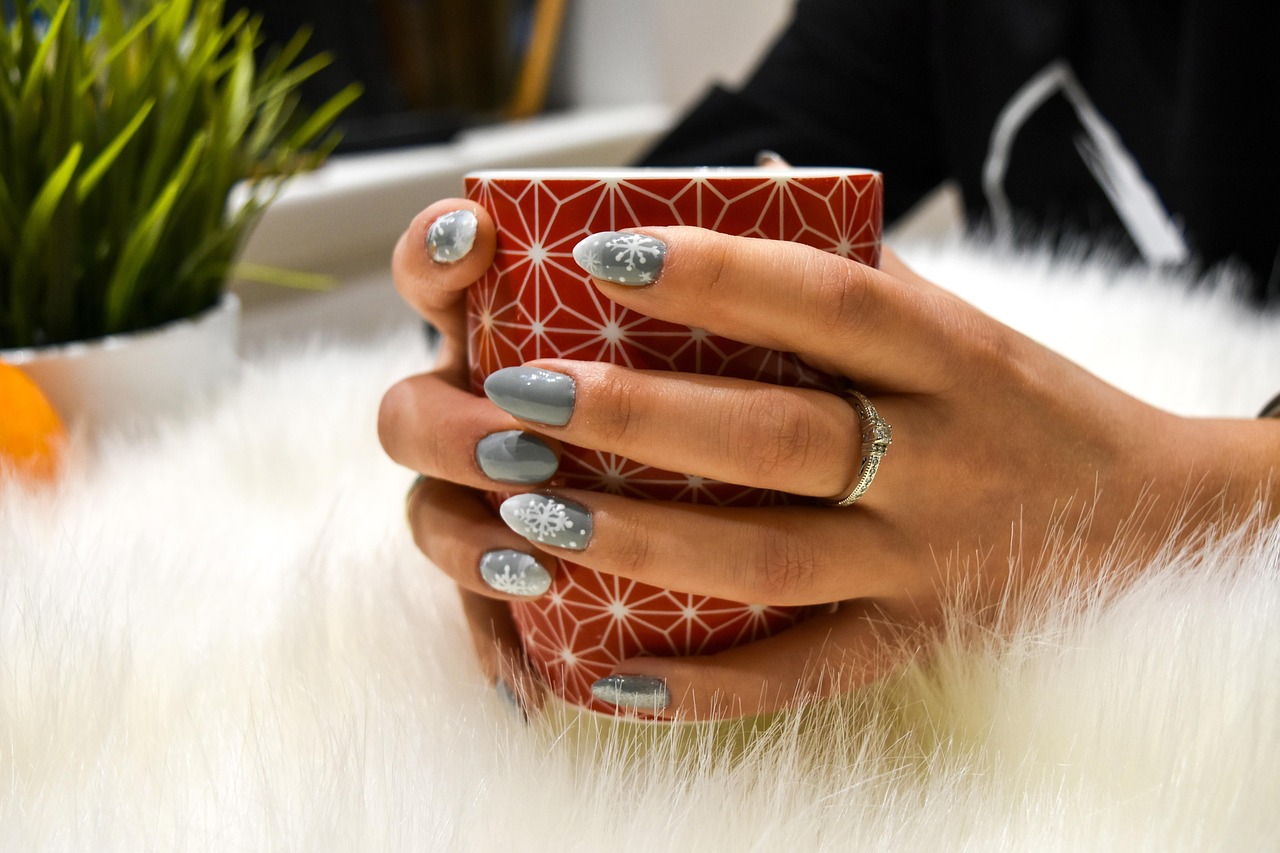
A common mistake is choosing a dramatic shape or nail art first, then expecting any extension system to support it. It is usually better to decide on the structure first. Natural nail length, nail plate condition, daily hand use, budget, and removal preference should guide the choice between acrylic, hard gel, builder gel, soft gel tips, and press-ons.
No extension type is automatically damage-free. Most problems come from a combination of over-filing, poor fit, excessive length, repeated fills without checking the nail condition, product touching the skin, picking, and improper removal. Still, each system has different wear and maintenance demands.
| Extension option | What to consider | Best suited for |
|---|---|---|
| Acrylic extensions | Strong and sculptable, but natural nails are usually roughened for adhesion, and removal often requires acetone soaking or filing. | People who need durable length and can commit to professional maintenance. |
| Gel or builder gel extensions | Flexible and glossy, but curing quality matters, and repeated gel services can still leave nails brittle, peeling, or cracked. | People who prefer a lighter feel and regular salon fills. |
| Soft gel tips | Pre-shaped tips can create quick length, but sizing, adhesive control, and removal still affect the natural nail. | People who want consistent shapes without heavy sculpting. |
| Press-on nails | Less salon commitment, but glue misuse, ripping, and tight sizing can still irritate or weaken nails. | Short-term wear, events, or anyone testing length before a longer commitment. |
If your nails are already splitting, lifting from the nail bed, painful, greenish, unusually thick, or inflamed around the edges, cover-up extensions are not the right first step. The American Academy of Dermatology warns that hiding damaged nails can make existing problems worse. In those cases, pause enhancements and consider advice from a licensed professional or dermatologist.
Pick a length that fits your hands and habits
Length is not only a style choice. It changes leverage. The longer the extension, the more force transfers to the natural nail when you open a can, type quickly, lift bags, clean, garden, or catch a tip on fabric. This is one reason long extensions often lift, crack, or feel sore faster than moderate lengths.
If you are new to extensions, start shorter than your inspiration photo. A short almond, rounded square, or squoval shape often wears more comfortably than an extra-long coffin or stiletto shape. If you use your hands heavily at work, care for children, play sports, cook often, or clean frequently, a modest salon set may look better for longer because it is less likely to chip at the corners.
Shape matters too. Sharp corners can catch, while a slightly rounded free edge is less likely to snag. If you like square nails, ask for softened corners. If you want a long almond or coffin shape, discuss where the apex, or stress point, should sit. A beautiful extension should not be flat and fragile; it needs balanced structure for its length.
Preparation should improve adhesion without thinning the nail
Good prep is controlled, not aggressive. The goal is to remove surface oils, shape the free edge, tidy loose non-living tissue, and create a clean base. It is not to grind the natural nail until it feels hot, tender, or paper-thin.
Do not let the natural nail be over-filed
For acrylic nails to adhere, the nail surface is commonly filed to create texture. The American Academy of Dermatology notes that this can thin the natural nail and make it weaker. Light buffing may be part of a professional service, but repeated heavy filing is a warning sign. If you feel burning, sharp heat, or discomfort during filing, speak up immediately.
Protect the cuticle area
Cuticles are not cosmetic clutter. The CDC and the American Academy of Dermatology both describe the cuticle as a protective barrier against infection. Cutting it or forcefully pushing it back can create small openings where bacteria and other germs may enter. A neat manicure can still be achieved by softening the area and gently tidying only what is safe, loose, and non-living.
Start with clean, dry nails
Water, oil, lotion, and residue can interfere with adhesion. Before extensions, avoid heavy hand creams or cuticle oils directly before the appointment unless your nail technician instructs otherwise. At home, wash and dry your hands well, and make sure grooming tools are clean. The CDC advises cleaning nail tools before use and sterilizing shared tools in commercial settings.
Application choices that reduce lifting and irritation
Lifting often begins near the cuticle or sidewalls, where product has touched skin, been applied too thickly, or failed to bond to a properly prepared nail. Once a pocket opens, water and debris can collect underneath, increasing the chance of discoloration, odor, or infection.
Keep product off the skin
This is especially important with acrylics, gels, builder gels, and nail glues. The FDA notes that infections and allergic reactions can occur with some nail products, and it highlights methacrylate monomers as ingredients that require careful handling to reduce sensitization risk. The British Association of Dermatologists has also warned about allergy risks linked with methacrylate chemicals in acrylic nails, gel nails, and gel polish, particularly when uncured product contacts the skin.
In a 2017 audit of 13 UK and Irish dermatology units reported by the British Association of Dermatologists, 4,931 patch-tested patients were assessed for methacrylate allergy. In that patch-tested population, 1.5% tested positive to 2-hydroxyethyl methacrylate and 2.4% tested positive to at least one type of methacrylate. Those figures do not represent the general public, but they do show why careful application, proper curing, and avoiding skin contact matter.
Use the correct curing approach for gel systems
Gel products need the right lamp, time, and layer thickness to cure properly. Under-cured gel may look hard on the surface while remaining insufficiently cured underneath, which can increase irritation risk. The British Association of Dermatologists specifically cautions home users to follow instructions and use the recommended curing lamp. If a gel feels persistently soft, wrinkled, tacky beyond the expected inhibition layer, or causes burning that feels abnormal, stop and seek professional guidance.
Be cautious with UV exposure
Gel manicures are cured under UV or LED lamps. The American Academy of Dermatology advises applying broad-spectrum, water-resistant SPF 30 or higher to the hands before a gel manicure, or using dark opaque fingerless gloves. LED lamps generally cure faster and emit lower UV levels than traditional UV curing lights, but they still use light exposure to cure gel products. See also: Beauty Ingredients.
Daily nail extension tips for longer wear
Aftercare is where many sets are won or lost. Even a well-applied set can lift early if the nails are treated like tools. These habits help extensions look better between appointments:
- Use gloves for cleaning and washing up. Detergents, hot water, and repeated soaking can weaken adhesion and dry the surrounding skin.
- Open things with tools, not tips. Use a spoon, coin, or opener for cans, key rings, and packaging.
- Moisturize the nail folds and cuticle area. Hydrated skin is less likely to crack or form hangnails. Apply cuticle oil around, not under, the extension.
- Clean under longer nails gently. The CDC notes that more dirt and bacteria can gather under long nails than short nails, so careful handwashing matters.
- Do not pick at lifting. Picking can peel layers from the natural nail and make a small lift much larger.
- File tiny snags early. A small rough edge can become a crack if it catches on hair, knitwear, or bedding.
- Avoid using nail glue as a long-term repair. Temporary glue may trap moisture or hide a structural problem that needs proper removal or replacement.
If one extension lifts, do not flood the gap with glue and hope for the best. Moisture can become trapped under the product. A safer choice is to keep the nail dry, avoid picking, and ask a professional whether it should be repaired or removed.
Fills, removal, and recovery are part of the service
Extensions do not end with the first appointment. As natural nails grow, the balanced structure moves forward, leaving a gap near the cuticle and changing the stress point. The American Academy of Dermatology notes that people wearing artificial nails for more than a few weeks often need touch-ups every two to three weeks to fill growth gaps. Waiting too long can make the extension more likely to lift, snap, or pull on the natural nail.
Removal is just as important as application. Do not bite, pry, rip, or slide another nail under the enhancement. Acrylic and some soak-off systems may be removed with acetone under controlled conditions, while some gels require careful filing by a trained professional. The wrong method can remove layers of the natural nail along with the product.
After removal, check the nail plate honestly. Mild dryness can be normal, especially after acetone, but pain, severe thinning, redness, swelling, discoloration, nail separation, or ongoing tenderness should not be ignored. The American Academy of Dermatology suggests taking polish breaks between gel manicures and rehydrating nails and cuticles with a moisturizing product. A one- to two-week break may help if nails feel dry or fragile, while more serious symptoms need professional advice.
Safety notes readers should not skip
Nail extensions are beauty products, but they sit on living tissue and use chemistry. That makes label reading and hygiene part of good nail care. The FDA advises consumers to read nail product labels carefully, follow warnings, use good ventilation, and report reactions to nail products. It also notes that formaldehyde may appear in some nail hardeners and polishes, and that frequent use of some formaldehyde-containing hardeners may make nails brittle or more likely to break or peel.
Stop using a nail product and seek appropriate medical guidance if you develop swelling, pain, pus, spreading redness, severe itching, nail loosening, breathing symptoms, or a rash on areas such as the eyelids, face, neck, or hands after nail product exposure. The British Association of Dermatologists has reported that methacrylate allergy symptoms may appear away from the fingertips, so do not assume a reaction is unrelated just because the rash is not directly on the nail.
For at-home users, the safest approach is conservative: avoid skin contact, use products only as directed, never mix systems unless the manufacturer allows it, cure gel exactly as instructed, keep products away from children, and do not use professional-only primers or monomers without training. If a product burns, smells unusually harsh, causes immediate swelling, or repeatedly lifts despite correct prep, stop using it.
Frequently asked questions
How often should nail extensions be filled?
Many artificial nail wearers need fills about every two to three weeks, depending on growth rate, length, product type, and daily wear. If you see lifting, cracking, pain, or a changed stress point before that, book sooner rather than waiting for the calendar date.
Are gel extensions safer than acrylic extensions?
Not automatically. The American Academy of Dermatology says soak-off gel nails can be more flexible than acrylics, which may reduce cracking of the natural nail, but gels can still cause brittleness, peeling, and cracking. Safety depends on nail condition, application skill, curing, aftercare, and removal.
What should I do if an extension lifts?
Do not pick it, bite it, or seal a large pocket with glue. Keep it dry and ask a professional whether it can be repaired or should be removed. Lifting can trap moisture and debris, so early attention is better than hiding the problem under more product.
Can I get extensions on damaged nails?
If the damage is mild dryness, a professional may suggest a shorter, gentler option or a break first. If nails are painful, split deeply, infected-looking, green, swollen around the skin, or separating from the nail bed, skip extensions and seek professional or medical advice.
What is the easiest way to make nail extensions last longer?
Choose a practical length, avoid using nails as tools, wear gloves for wet chores, moisturize the surrounding skin, clean under longer nails, schedule timely fills, and never force removal. These simple habits do more for wear time than any single trend or product claim.