Kit skincare guide to building a routine that fits your skin

a[data-rs-seo-link]{text-decoration:underline!important;color:#1a56db!important;cursor:pointer!important;}a[data-rs-seo-link]{text-decoration:underline!important;color:#1a56db!important;cursor:pointer!important;}
What a kit skincare routine should actually include
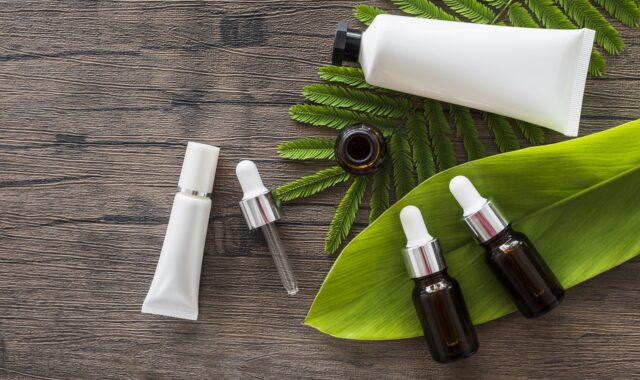
A useful kit skincare routine is not a drawer full of products. It is a small, repeatable set of items that cleanses the skin, supports the moisture barrier, protects against UV exposure and addresses one or two specific concerns. For most people, the core kit is simple: a gentle cleanser, a suitable moisturizer and a broad-spectrum sunscreen for daytime use. A treatment product, such as a retinoid, exfoliating acid, vitamin C serum or acne treatment, should be added only when there is a clear reason for it.
The better approach is to build the kit around your current skin type instead of buying a pre-made set because it looks complete. Dry, reactive skin usually needs a different texture and ingredient profile from oily, acne-prone skin. For more product education across this category, visit our Skincare Products section.
Start with skin type before choosing products
Skin type is not a permanent label. Weather, hormones, medication, age, travel, stress and overuse of strong actives can all change how skin behaves. Still, identifying your current pattern helps prevent one of the most common skincare kit mistakes: combining products that are popular on their own but unsuitable together.
| Skin pattern | What to prioritize | What to be careful with |
|---|---|---|
| Dry or tight | Cream cleanser, richer moisturizer, barrier-supporting ingredients | Foaming cleansers, frequent exfoliation, high-strength retinoids too early |
| Oily or shiny | Light gel or lotion textures, non-comedogenic moisturizer, consistent cleansing | Skipping moisturizer, harsh scrubs, layering too many mattifying products |
| Sensitive or reactive | Fragrance-free basics, mineral sunscreen if tolerated, slow product changes | Multiple new products at once, essential oils, strong acids |
| Acne-prone | Gentle cleanser, non-comedogenic hydration, targeted acne ingredients | Heavy occlusive layers if they trigger breakouts, picking, aggressive washing |
| Combination | Balanced cleanser, lighter moisturizer in oily zones, richer layer only where dry | Using one heavy product everywhere if only some areas need it |
This kind of mapping matters more than the number of products in the kit. A five-piece routine can be too much for sensitive skin, while a three-piece routine may be enough for someone focused on daily maintenance. Each item should have a defined role.
The three essentials in a dependable skincare kit
Cleanser
A cleanser should remove sweat, oil, sunscreen and daily residue without leaving the skin feeling stripped. Dermatology guidance from the American Academy of Dermatology commonly emphasizes gentle, non-abrasive cleansing and avoiding overly harsh washing habits. If your skin feels squeaky, tight or irritated after cleansing, the formula may be too aggressive, or you may be cleansing too often.
For dry or sensitive skin, a cream, milk or low-foam cleanser is often easier to tolerate. For oily skin, a gel or light foaming cleanser may feel cleaner, but it should still avoid a tight after-feel. Makeup and water-resistant sunscreen may require a cleansing balm, oil cleanser or micellar water before the regular cleanser, but double cleansing is not mandatory for everyone.
Moisturizer
Moisturizer is not only for dry skin. It helps reduce water loss and supports comfort, especially when the routine includes acne products, retinoids or exfoliating ingredients. Lighter gel-cream textures may suit oily skin, while creams and balms may suit dry skin. Useful ingredient categories include humectants such as glycerin or hyaluronic acid, emollients that smooth roughness and occlusives that help seal in moisture.
If your kit includes strong active ingredients, moisturizer becomes more important. It can reduce dryness and make the routine easier to maintain. A routine that looks powerful on paper but causes burning, peeling or constant irritation is not practical.
Sunscreen
Daytime skincare is incomplete without sunscreen when skin is exposed to daylight. The American Academy of Dermatology generally recommends broad-spectrum sunscreen with SPF 30 or higher, along with shade and protective clothing. The U.S. Food and Drug Administration explains that SPF mainly reflects UVB protection, while broad-spectrum labeling indicates protection against both UVA and UVB.
Sunscreen is also the product most likely to determine whether a kit is actually used. If it pills, stings, leaves a finish you dislike or does not work under makeup, it will be skipped. Choose a sunscreen that fits your skin type and daily routine rather than focusing only on the highest SPF number on the shelf.
When to add treatment products
Treatment products are where skincare kits become either useful or unnecessarily complicated. A targeted product should have a specific job: acne control, uneven tone, early lines, dull texture, redness or dehydration. Adding several actives at once makes it difficult to know what is helping and what is irritating.
Retinoids
Retinoids are commonly used in skincare for acne, texture and visible signs of photoaging. Research reviews have described retinoids as active compounds that influence skin renewal and collagen-related processes, but they can also cause dryness, peeling and irritation. Beginners should start slowly, often at night, and avoid combining retinoids with several other strong actives in the same routine.
Exfoliating acids
Alpha hydroxy acids and beta hydroxy acids can help with dullness, roughness or clogged pores, depending on the ingredient and concentration. More exfoliation is not automatically better. Overuse can make skin feel sensitive, shiny, tight or inflamed. In a basic kit, one exfoliating product used occasionally is usually more sensible than multiple acid toners, pads and serums.
Vitamin C, niacinamide and brightening products
Vitamin C products are often used for antioxidant support and uneven tone. Niacinamide is popular because it can fit many skin types and is often included in barrier-supporting or tone-focused formulas. These ingredients can be useful, but they are optional. If cleanser, moisturizer and sunscreen are not being used consistently, fixing those basics usually matters more than adding a brightening serum. See also: Beauty Ingredients.
How to structure morning and evening use
A skincare kit works best when the order is simple enough to repeat. The morning routine should prepare the skin for the day and protect it from UV exposure. The evening routine should cleanse the skin and apply any treatment that is better used away from sunlight or makeup.
- Morning basic routine: cleanse if needed, apply moisturizer if needed, then apply sunscreen as the final daytime step.
- Morning expanded routine: cleanse, apply a lightweight serum such as vitamin C or niacinamide if tolerated, moisturize, then apply sunscreen.
- Evening basic routine: cleanse, then moisturize.
- Evening treatment routine: cleanse, apply one treatment product, then moisturize. Sensitive skin may do better by applying moisturizer before and after a retinoid.
Introduce new products one at a time, ideally with several days between changes. This makes it easier to spot irritation, breakouts or allergic reactions. Patch testing on a small area is not a perfect guarantee, but it can reduce the chance of applying a poorly tolerated product to the entire face.
How regulations and labels should influence your kit
Labels matter because skincare products are not all regulated in the same way. In the United States, sunscreens are regulated as over-the-counter drugs, while many moisturizers, cleansers and serums are generally regulated as cosmetics. The FDA issued a final administrative order on September 10, 2026, removing PABA and trolamine salicylate from the sunscreen OTC monograph after reviewing safety data. That does not mean every sunscreen ingredient is the same; it means sunscreen labels and active ingredients deserve more attention than many consumers give them.
For a practical kit, look for claims that are specific and relevant. Terms such as broad spectrum, SPF value, water resistance, fragrance-free, non-comedogenic and sensitive skin can guide selection, but they do not replace personal tolerance. Marketing language such as clean, glow, detox or poreless is less useful unless the formula and instructions support the claim.
Also check expiration dates, especially for sunscreen and products with active ingredients. A kit that sits unused for months can become less reliable. Old textures or unusual smells are signs that a product should be replaced.
Common mistakes that make skincare kits less effective
- Buying a full set before understanding your skin: Pre-made kits can be convenient, but every step may not suit your skin type or concern.
- Starting too many actives at once: If irritation appears, you will not know which product caused it.
- Skipping sunscreen while using treatments: Retinoids and exfoliating products are often used for tone and texture, but UV exposure can work against those goals.
- Assuming expensive means better: Texture, ingredient suitability and consistency often matter more than price.
- Ignoring the skin barrier: Burning, stinging, flaking and persistent redness are signs to simplify the routine, not add more products.
- Using face products too close to the eyes: Many actives are not designed for the eyelids and can migrate into the eye area.
- Changing routines every week: Many skincare benefits require consistent use, while irritation may appear quickly. Give simple routines time before judging them.
The strongest skincare kit is usually the one a person can use consistently without discomfort. It does not need to follow every trend. It needs to match the skin, the climate, the budget and the user’s patience.
Frequently asked questions
How many products should be in a skincare kit?
Most people can start with three products: cleanser, moisturizer and sunscreen. A fourth product can be added when there is a clear concern, such as acne, uneven tone or texture. More products are not automatically more effective.
Should beginners buy a complete skincare kit or build one product at a time?
Building one product at a time is often safer for beginners because it helps identify what works and what irritates the skin. A complete kit can be convenient, but it should still match your skin type and avoid unnecessary overlap.
Can one moisturizer work for both morning and night?
Yes, if the texture feels comfortable and does not interfere with sunscreen during the day. Some people prefer a lighter moisturizer in the morning and a richer one at night, but that is a comfort choice rather than a strict rule.
Do I need a toner in my skincare kit?
Not necessarily. A toner can be useful if it hydrates, soothes or delivers a mild active ingredient, but it is not an essential step. If your cleanser, moisturizer and sunscreen already work well, a toner may not add much.
When should I see a dermatologist instead of changing my kit?
Seek professional advice if you have painful acne, sudden rashes, persistent burning, worsening redness, suspected eczema, infection, severe pigmentation changes or a reaction that does not improve after stopping new products. A skincare kit can support healthy habits, but it should not replace medical care for skin disease.