Make up tips for smoother everyday application

a[data-rs-seo-link]{text-decoration:underline!important;color:#1a56db!important;cursor:pointer!important;}a[data-rs-seo-link]{text-decoration:underline!important;color:#1a56db!important;cursor:pointer!important;}
Start with prep, not more product
The most useful make up tips often start before foundation, blush, or mascara touches the face. Smooth makeup is usually less about adding coverage and more about preparing an even surface, applying thin layers, and choosing textures that suit your skin that day. If foundation separates, concealer creases, or blush fades quickly, the issue is often preparation, product amount, or placement rather than the need for a completely new routine.
Keep the base simple: cleanse gently, moisturize where the skin feels tight, control excess shine only where needed, and give skincare time to settle before applying makeup. Dry patches can catch pigment and make foundation look heavier. Excess oil can break down complexion products faster. A gentle cleanse helps remove residue, sunscreen, and oil that may interfere with wear, while moisturizer can reduce the look of dehydration-related texture. It should not leave a slippery film; if the skin stays tacky for more than a few minutes, the layer may be too heavy or the formula may be too rich under makeup.
Primer is optional, not mandatory. Use it with a clear purpose: a smoothing primer on visible texture, a gripping primer where makeup wears off quickly, or a mattifying primer only on oily areas. Applying primer everywhere can make the base feel heavier than necessary. For more practical beauty guidance, browse the Usage Tips section.
Match products to your skin’s current condition
Skin changes with weather, hormones, stress, travel, sleep, and skincare habits. A foundation that looks natural in spring may feel too matte in winter or too dewy in humid weather. Instead of treating one product as right for every day, adjust the finish and amount. On dry days, mix a small amount of moisturizer with foundation on the back of your hand, or apply a thinner layer and spot-conceal only where extra coverage is needed. On oily days, keep richer products away from the center of the face and powder selectively.
Shade matching also requires patience. Test foundation near the jawline, not only on the hand, because the hands and face often differ in tone. Check the shade in natural light after it has sat for several minutes. Some formulas deepen slightly as they dry, while others look lighter once blended out. If you are between shades, the better choice depends on where you need coverage. For redness, a close match to the neck usually looks more seamless. For hyperpigmentation in specific areas, targeted concealer may work better than using a darker foundation across the whole face.
Use thin layers and the right tool for the finish you want
One of the most reliable makeup application rules is to start with less product than you think you need. Thin layers are easier to blend, easier to correct, and less likely to crease. Begin in the center of the face, where many people want the most coverage, then blend outward. This keeps the edges softer and helps avoid a visible foundation line near the hairline or jaw.
Tools change the finish. Fingers warm up cream products and can help them melt into the skin, especially with tinted moisturizer, cream blush, or balm highlighter. A damp sponge usually gives a sheerer, softer finish because it absorbs some product and presses makeup into the skin. A dense brush can provide more coverage and speed, but it may leave streaks if overloaded. For powder products, a fluffy brush distributes pigment lightly, while a smaller brush gives more control.
Clean tools matter for both appearance and hygiene. Product buildup can make brushes apply unevenly, and old residue may affect the color of powders and creams. Wash brushes used with liquids and creams regularly, and let them dry fully before storing. Replace sponges when they tear, smell, or no longer rinse clean.
Follow a flexible application order
There is no single correct order for every makeup look, but a consistent sequence can reduce patchiness. A reliable everyday order is skincare, sunscreen if worn during the day, primer if needed, complexion, concealer, cream cheek products, powder, powder cheek products, eyes, lips, and setting spray if desired. The main point is to avoid placing wet products over too much powder, because creams can lift or clump when applied on a heavily set base.
Concealer often looks better when used after foundation. Foundation may cover more than expected, so you can use less concealer and keep the under-eye area lighter. Apply concealer only where discoloration is visible rather than drawing a large triangle under the eye. Let it sit briefly, then tap the edges to blend. If creasing is a concern, press on a very small amount of powder instead of sweeping it back and forth.
For blush and bronzer, placement changes the effect. Blush placed higher on the cheek can visually lift the face, while blush centered on the apples gives a softer, fresher look. Bronzer should warm the areas where the sun would naturally hit: temples, upper cheek area, and the outer edges of the face. Contour, if used, should be cooler and more muted than bronzer because it imitates shadow rather than warmth.
Choose eye and lip techniques that suit everyday wear
Eye makeup becomes easier when you separate definition from drama. For a quick everyday look, use a soft matte shade slightly deeper than your skin tone through the crease, then add a lighter shade on the lid. Tightlining or applying liner close to the upper lash line can make lashes look fuller without creating a heavy line. If pencil liner transfers, set it with a matching powder shadow using a small brush.
Mascara works best in light coats. Wipe excess from the wand before applying, start near the roots, and wiggle upward. If lashes clump, comb through while the mascara is still slightly wet. Avoid adding multiple coats after mascara has fully dried, as this can create flakes. Treat eye products carefully: if you have had an eye infection, it is safer to replace eye makeup used during that period rather than risk recontamination.
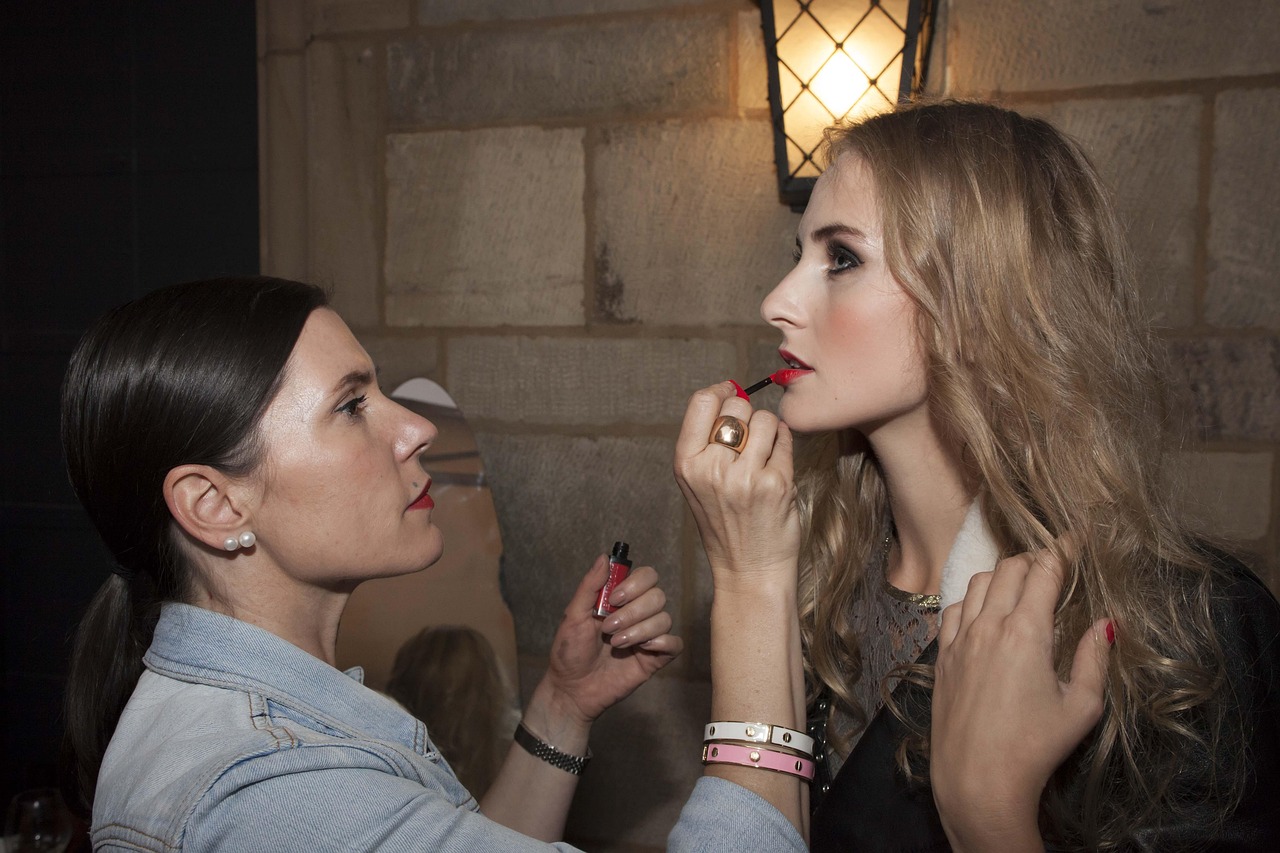
For lips, preparation is simple but important. Remove loose dry skin gently, then apply a light layer of balm and blot before lipstick. Too much balm can make lip color slide. Lip liner can define the shape and reduce feathering, but for everyday wear it should be close to the lipstick shade or your natural lip tone. For longer wear, apply one thin coat of lipstick, blot, then apply a second thin coat. See also: Beauty Ingredients.
Make makeup last without making it look heavy
Long wear depends on balance. If the base is too oily, makeup may break down quickly; if it is too dry, makeup may crack or emphasize texture. Use powder only where needed, usually the center of the forehead, sides of the nose, under the eyes, and chin. Press powder into the skin with a puff for more control, or use a soft brush for a lighter finish. Avoid repeatedly powdering without removing excess oil first, because powder layered over oil can look cakey.
Blotting papers or a clean tissue can remove shine before touch-ups. After blotting, add a small amount of powder only where shine remains. For foundation separation around the nose or mouth, use a clean fingertip or sponge to smooth the area first, then add a tiny amount of concealer if needed. Touch-ups should restore the look, not rebuild the entire base.
Setting spray can help powders look less dry and may improve the feel of makeup, but it is not a replacement for good prep and thin layers. Choose a spray based on the finish you want: hydrating sprays can soften powder, while long-wear sprays are better for events, warm weather, or longer days. Let the mist dry naturally instead of touching the face immediately.
Common makeup problems and practical fixes
| Problem | Likely cause | Simple fix |
|---|---|---|
| Foundation looks cakey | Too much product, too much powder, or dry texture | Use thinner layers, moisturize dry areas, and powder only the T-zone |
| Concealer creases | Excess product or movement under the eye | Apply less concealer, blend the edges well, and press on a small amount of powder |
| Blush disappears | Very sheer formula or little base grip | Layer cream blush under powder blush or use a slightly stronger shade |
| Makeup separates around the nose | Oil, skincare residue, or friction | Use less moisturizer in that area, blot before powdering, and avoid rubbing |
| Lipstick fades unevenly | Too much balm or one thick layer | Blot balm, apply thin layers, and use liner to anchor the color |
These fixes show why technique often matters as much as product choice. Before replacing a foundation, change one variable at a time: skincare amount, primer placement, tool, powder level, or application order. That makes it easier to identify the real issue.
Keep the routine safe, clean, and realistic
Makeup should be enjoyable, but hygiene is part of a good routine. Do not share mascara, eyeliner, or lip products, especially when irritation, cold sores, or eye infections are present. Store products closed and away from excessive heat. Pay attention to changes in smell, color, and texture. If a product stings unexpectedly, separates in an unusual way, or develops an off odor, stop using it.
Many cosmetic packages include a period-after-opening symbol that suggests how long the product is intended to be used after opening. This is not the only safety factor, but it is a helpful guide. Liquids and creams generally need more attention than dry powders because applicators, moisture, and repeated contact can affect product quality over time. Be especially cautious with products used close to the eyes.
The best everyday routine is one you can repeat without stress. Keep the products you use most often visible and easy to reach. Save trend-driven colors, heavy contour, or complex eye looks for days when you have time to blend and adjust. Strong makeup skills are built through small improvements: better lighting, cleaner tools, thinner layers, and more precise placement.
Frequently asked questions
Should foundation be applied before or after concealer?
For most everyday routines, foundation first is easier because it evens the skin and shows where concealer is still needed. Concealer first can work for color correction or spot correction, but using it after foundation often prevents over-application.
How can I make makeup look natural?
Use sheer layers, match foundation to the neck or jawline, and keep coverage concentrated only where needed. Cream products, a damp sponge, and light powdering can help the skin look more flexible and less masked.
Why does my makeup look good at first but patchy later?
Patchiness can come from oil, dryness, friction, or incompatible layers. Let skincare absorb before makeup, avoid over-powdering, and blot shine before touching up. If the same area always breaks down, use less product there rather than more.
Are expensive products necessary for good makeup?
No. Price does not guarantee a better result. Shade match, texture, skin prep, and technique usually have a bigger effect on the final look than the price of a single product. A well-matched affordable foundation can look better than a luxury formula that does not suit your skin.