Perfume packaging design that balances luxury, sustainability and shelf impact
a[data-rs-seo-link]{text-decoration:underline!important;color:#1a56db!important;cursor:pointer!important;}a[data-rs-seo-link]{text-decoration:underline!important;color:#1a56db!important;cursor:pointer!important;}
What perfume packaging design needs to achieve
Perfume packaging design has to do more than look elegant on a shelf. It needs to express the fragrance concept before the first spray, protect a fragile and often alcohol-based product, meet labelling and shipping expectations, and support any sustainability claims with clear evidence. For a beauty brand, the strongest pack is not necessarily the most ornate one. It is the option that makes the scent understandable, memorable and credible while still being practical to manufacture, fill, ship and recycle where systems allow.
That makes fragrance one of the most demanding categories in beauty packaging. A perfume pack combines primary packaging, such as the glass bottle, pump, collar and cap, with secondary packaging such as the carton, insert, sleeve or rigid box. Each part affects the customer’s perception of value. It also affects cost, weight, breakage risk, recyclability and the clarity of on-pack information.
For more packaging-focused beauty insights, visit the Packaging Design section.
Start with the scent story, not the decoration
Strong fragrance packaging starts with the perfume’s positioning. A citrus cologne, a white floral extrait and a smoky amber eau de parfum should not feel as if they came from the same visual template unless that consistency is part of a deliberate house style. Before choosing finishes, designers should define the scent’s mood, concentration, audience, price tier and usage occasion.
That does not mean every note has to appear literally on the box. A rose fragrance does not require a rose illustration. A marine fragrance does not require blue glass. More often, successful perfume packaging relies on controlled signals: weight, transparency, typography, cap geometry, colour temperature, surface texture and negative space. These elements help the customer imagine the scent without reducing it to a cliché.
A useful starting question is simple: what should a shopper understand in three seconds? The answer may be freshness, intimacy, heritage, sensuality, minimalism, collectability or clinical precision. Once that answer is clear, every visual decision can be judged against it.
- For freshness: clear glass, light cartons, crisp typography and restrained colour accents often work better than heavy embellishment.
- For luxury: proportion, cap fit, controlled shine and tactile paper can communicate more value than excessive foiling.
- For niche fragrance: unusual bottle silhouettes, limited colour palettes and editorial-style copy can create distinction without looking mass-market.
- For refillable concepts: the refill mechanism, instructions and long-term durability must be visible enough to build trust.
Design the bottle, cap and carton as one system
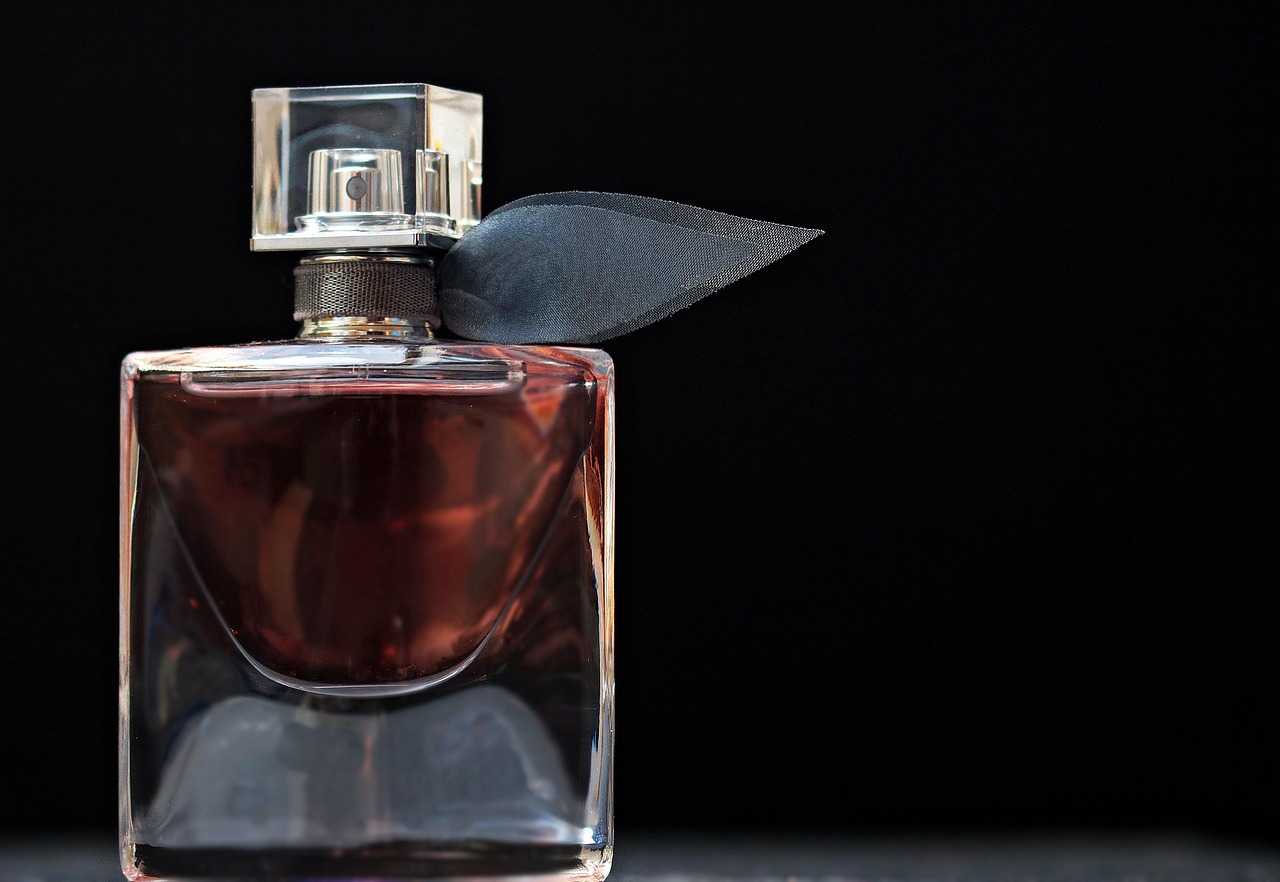
Perfume packaging is often judged first by the bottle, but the bottle cannot be developed in isolation. The pump, collar, cap, label, carton and insert all shape the final impression. A beautiful bottle with a loose cap or an unstable carton can feel disappointing. A simple bottle with balanced proportions and a well-fitted cap can feel premium.
Glass remains common in fragrance because it is visually clear, chemically stable and able to preserve aroma without becoming part of the scent experience. Industry bodies such as the Glass Packaging Institute and FEVE describe glass as inert, impermeable and endlessly recyclable in principle. In practice, decoration, colour, closures and local recycling systems determine how easily a specific perfume bottle can enter recycling streams.
The cap deserves particular attention because it is the most handled part of the pack after purchase. It can reinforce the brand code through weight, sound, grip and alignment. However, mixed-material caps that combine plastic, metal, magnets and decorative coatings can complicate disassembly. Designers should decide early whether the cap is mainly a luxury cue, a reusable object, a recyclable component or a refill-system interface.
| Component | Design role | Key risk to manage |
|---|---|---|
| Glass bottle | Shape, colour, weight and transparency create the main premium signal. | Excessive weight can raise material use, shipping impact and cost. |
| Pump and collar | Controls spray quality and visual finish around the neck. | Mixed materials may be hard to separate or replace. |
| Cap | Adds tactility, recognition and closing ritual. | Magnets, metal inserts and heavy coatings can limit circular design options. |
| Label or print | Carries name, concentration and brand personality. | Over-decoration can reduce legibility and interfere with recyclability. |
| Carton or box | Protects the bottle and provides space for required information. | Oversized boxes can look wasteful and perform poorly in shipping. |
Sustainability is now a design constraint, not an afterthought
Sustainability has moved from a marketing layer to a structural design issue. Packaging teams now need to consider material reduction, recyclability, recycled content, refill models and truthful environmental claims from the start. The European Commission’s Packaging and Packaging Waste Regulation, known as PPWR, entered into force in February 2025 and began applying on a phased basis from 12 August 2026. Its design direction is clear: packaging on the EU market is moving toward stronger recyclability, labelling and recycled-content expectations, with major milestones around 2030 and beyond.
For perfume packaging design, this does not automatically mean abandoning premium cues. It does mean that premium should be created through proportion, finish quality and longevity rather than unnecessary layers. A lighter bottle can still feel refined if the base thickness, shoulder curve and cap fit are carefully resolved. A paperboard carton can still feel luxurious through fibre quality, embossing, debossing, texture and disciplined colour use rather than plastic lamination.
The most useful sustainability decisions are specific. “Eco-friendly” is too broad to be meaningful and can create risk. The UK Competition and Markets Authority’s Green Claims Code and the U.S. Federal Trade Commission’s Green Guides both emphasise that environmental claims should be truthful, clear and supported by evidence. In practical packaging terms, that means saying what changed and where the claim applies: the carton, the bottle, the cap, the ink, the refill or the shipping box.
- Use mono-material or easily separable components where possible.
- Avoid decorative choices that make recycling harder unless they are essential to the brand concept.
- Specify recycled content only when it can be verified by the supplier.
- Make refill instructions clear and durable, not hidden inside a campaign page.
- Do not claim a whole pack is recyclable if only one component is likely to be accepted locally.
Make shelf impact legible at different distances
Perfume packaging has to work at several distances. From far away, colour block, silhouette and contrast matter. At arm’s length, the shopper notices the name, concentration and material detail. In hand, the judgement becomes tactile: carton stiffness, cap movement, spray feel, embossing depth and the smoothness of edges.
For that reason, legibility should not be sacrificed for mood. Fine-line typography, pale metallic foil on pale paper and low-contrast transparent labels may photograph beautifully, but they can fail under retail lighting or on a mobile product page. The customer should be able to identify the fragrance name, brand, volume and concentration without effort. See also: Beauty Ingredients.
Perfume also has a strong gifting role, so the pack should feel complete before it is opened. The carton front may need to stay restrained, while side panels, inner flaps and inserts can carry storytelling in a more intimate way. A short note about the inspiration, perfumer’s direction or key accords can add value, provided it does not sound exaggerated or unsupported.
Plan for e-commerce, gifting and travel realities
Online fragrance sales place extra pressure on packaging because the product may travel through parcel networks before the customer experiences it. A perfume bottle is small, rigid and breakable. If the outer packaging fails, the result is not only a damaged item but also leakage, odour contamination and a poor first impression.
Transit packaging should be treated as part of the design system, not as a warehouse afterthought. ISTA test procedures are widely used in the packaging sector to simulate stresses such as drops, vibration and compression in distribution environments. For beauty brands, the lesson is direct: a premium bottle needs a protective structure that has been tested against the real route to the customer.
Perfumes containing alcohol may also be subject to shipping restrictions because many are flammable liquids. Postal and carrier rules vary by country, service and quantity. The packaging design team does not replace dangerous-goods compliance specialists, but it should leave room for required marks, documentation, secondary containment and carrier-specific instructions when needed.
Gifting adds another layer. A rigid presentation box may feel luxurious, but it can increase weight and material use. A well-engineered folding carton with a refined insert may offer a better balance. Travel sizes and discovery sets have different needs again: protection, easy identification and leak resistance matter more than dramatic display.
A practical checklist for better perfume packaging design
A strong design brief prevents the project from becoming a surface-decoration exercise. The following checklist can help teams assess whether a perfume packaging concept is ready to move from mood board to production development.
- Define the fragrance message: Identify the primary emotion, scent family, customer and price position before choosing materials.
- Map every component: List bottle, pump, collar, cap, label, carton, insert, seal, shipping protection and any refill parts.
- Test the first impression: Check whether the pack communicates the right cue at three distances: shelf, hand and product-page thumbnail.
- Check readability: Confirm that name, concentration, volume and required information remain legible under retail and digital conditions.
- Challenge excess weight: Reduce unnecessary glass thickness, oversized cartons and redundant inserts without damaging perceived value.
- Review recyclability early: Consider glass colour, decoration, labels, adhesives, coatings, caps and component separation before tooling decisions are locked.
- Substantiate claims: Keep supplier evidence for recycled content, responsible paper sourcing, refillability and recyclability claims.
- Validate transport: Test filled packs, not empty mock-ups, because liquid weight changes performance.
- Design for repeat use: If the bottle is refillable or collectible, make the mechanism intuitive and durable.
- Align cost with value: Spend on the details customers notice repeatedly, such as cap fit, spray quality and carton feel.
Frequently asked questions
What makes perfume packaging look premium?
Premium perception usually comes from proportion, precision and tactility rather than decoration alone. A well-balanced bottle, a secure cap, clean typography, controlled contrast and a carton with good stiffness can feel more luxurious than a pack overloaded with foil, coating and visual noise.
Is glass always the best choice for perfume bottles?
Glass is widely used because it is stable, transparent, protective and compatible with many fragrance formats. However, the best choice depends on the product size, refill model, decoration, transport needs and local recycling infrastructure. Heavy glass can increase material use and shipping impact, so weight should be designed carefully.
How can a perfume brand make sustainable packaging claims safely?
Claims should be specific, evidence-based and tied to a defined component. Instead of saying a pack is simply green or eco-friendly, a brand should clarify whether the claim refers to recycled paperboard, reduced glass weight, a refill system, recyclable components or verified recycled content.
Should perfume packaging include a refill system?
A refill system can support circular design when customers understand it, refills are available, the bottle is durable and the mechanism prevents leaks or confusion. If refill access is limited or instructions are unclear, the feature may become a weak promise rather than a useful benefit.
What is the most common mistake in perfume packaging design?
The most common mistake is designing for a beautiful rendering instead of the full product journey. A perfume pack must work in photography, on shelf, in hand, in transit, after repeated use and at end of life. Ignoring any one of those moments can weaken the entire experience.