How to do a French manicure with gold tips that still looks subtle
a[data-rs-seo-link]{text-decoration:underline!important;color:#1a56db!important;cursor:pointer!important;}a[data-rs-seo-link]{text-decoration:underline!important;color:#1a56db!important;cursor:pointer!important;}
What makes gold tips work
A French manicure with gold tips works best when the gold is used as a controlled accent, not as the whole design. The most wearable version starts with a sheer pink, beige, milky, or soft nude base, then adds a slim metallic edge that follows the natural smile line of the nail. It still reads as a French manicure, but with a warmer and more decorative finish than the classic white tip.
For everyday wear, a fine champagne or pale gold line is usually the easiest choice. For evening looks, almond nails, weddings, or holiday styling, a slightly brighter foil, chrome, or glitter edge can look intentional without becoming too heavy.
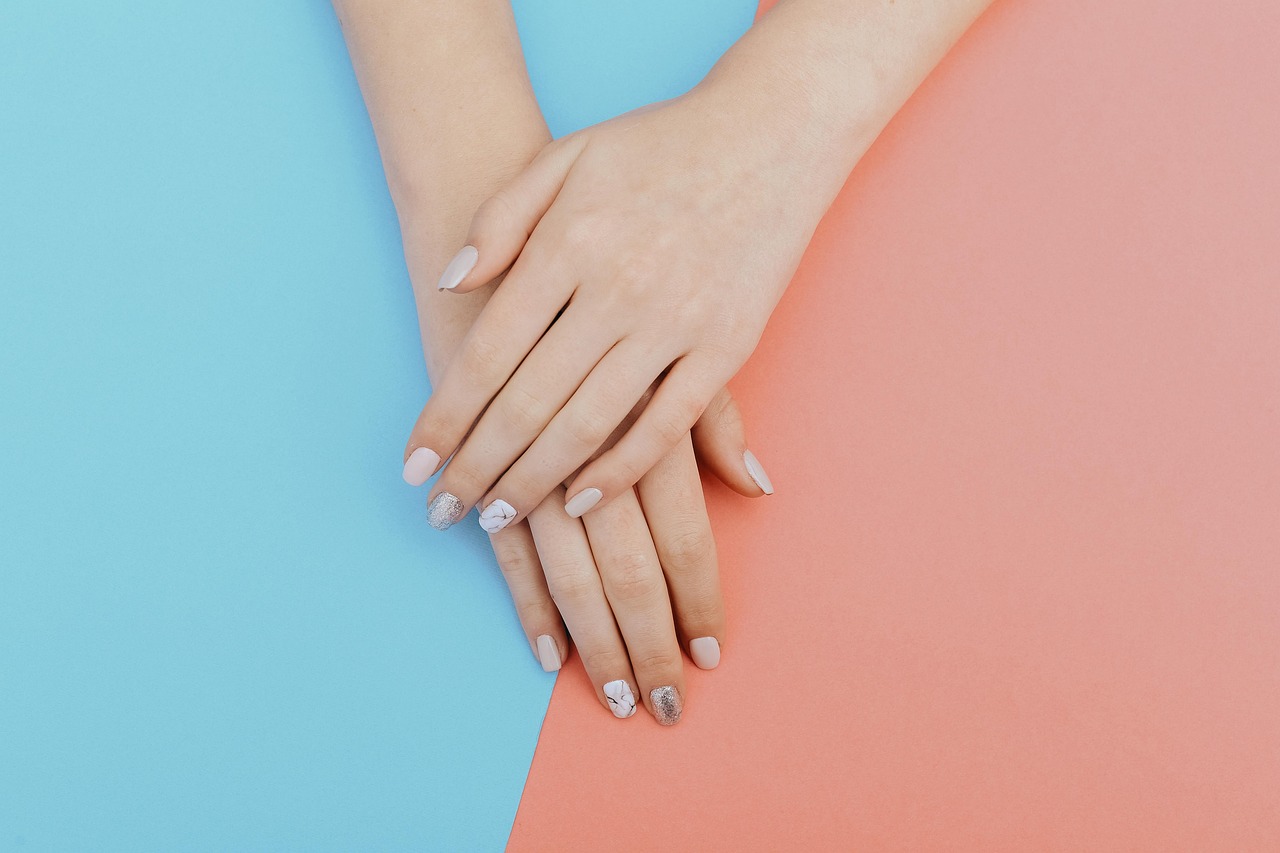
The main decision is proportion. Gold reflects light, so a tip that looks delicate in the bottle may appear stronger once it is on the nail. Short nails usually need a thinner line. Longer almond or squoval nails can carry a deeper arc, a double line, or a light micro-glitter overlay. The aim is to leave enough bare-looking nail visible so the manicure still feels clean.
Choose the right base shade before choosing the gold
The base shade decides whether gold tips look soft, bridal, modern, or high contrast. A classic French manicure often uses a translucent pink or nude base because it evens the nail plate while keeping the free edge visually light. Gold tips follow the same principle, but undertone matters more because metallic pigments reflect warmth.
Sheer pink for a classic finish
Sheer pink is the safest base if you want a clean salon-style result. It brightens the nail bed, softens visible redness, and keeps the gold from looking too yellow. This pairing suits short to medium nails and works well with everyday jewellery.
Milky white for a modern soft-focus look
A milky base gives the design a cloudier, more editorial finish. It pairs well with champagne gold, rose gold, or fine foil because the contrast is visible without looking sharp. If the goal is subtlety, avoid a thick opaque white base; it can make the gold tip look more like a graphic stripe than a French edge.
Warm nude or beige for a skin-toned manicure
Warm nude bases can make gold tips look seamless, especially on medium to deep skin tones. Choose a nude that is close to your nail bed rather than your hand skin. If the base is too dark or too opaque, the French shape may lose definition.
Pick a gold finish that matches the occasion
Gold is not a single finish. The same French shape can look minimal, festive, or dramatic depending on whether you use shimmer polish, glitter, foil, chrome powder, or striping tape. Use the table below as a practical guide.
| Gold finish | Best for | Effect | Subtlety level |
|---|---|---|---|
| Champagne shimmer polish | Everyday wear, office-friendly nails | Soft glow with low contrast | High |
| Fine glitter polish | Parties, holidays, short nails | Sparkle without a hard metallic line | Medium |
| Gold foil flakes | Weddings, accent nails, irregular tips | Organic, broken-metal texture | Medium |
| Chrome powder | Gel manicures, statement almond nails | Mirror-like metallic edge | Low to medium |
| Striping tape | Double French lines, graphic designs | Crisp, uniform metallic border | Medium |
If you are unsure, start with champagne shimmer. It photographs well, hides small application errors better than chrome, and grows out more gracefully than a thick glitter tip.
Gold tip ideas by nail length and shape
Gold-tipped French nails can work on almost every nail length, but placement should change with the shape. Copying the same deep curve onto every nail can make short nails look shorter or long nails look unnecessarily busy.
Short nails
Use a micro French line that sits only on the free edge. A thin gold stripe can make short nails look neater without covering the visible nail bed. A sheer pink base with champagne polish is the easiest combination. If your nails are very short, skip thick glitter because it can take up too much space.
Square and squoval nails
Square and squoval nails suit a clean horizontal tip or a softly curved smile line. Gold striping tape can look especially sharp on squoval nails, but the edge needs to be sealed carefully with top coat so the tape does not lift.
Almond nails
Almond nails can carry a deeper gold curve or a V-shaped French tip. The shape already lengthens the fingers, so metallic detail tends to look elegant rather than crowded. For a softer result, keep the gold line narrow at the sidewalls and slightly fuller at the centre.
Long nails
Long nails allow more variation: double gold lines, gold over a milky base, a thin white French line with gold stacked above it, or gold foil placed only at the corners. The main risk is visual weight. If the tips are long and fully coated in bright gold, the design can move away from a French manicure and into full metallic nail art.
How to do the look at home
You do not need a complicated kit for a simple gold French manicure, but thin layers matter. Thick coats are harder to control and more likely to chip at the free edge.
- Shape and clean the nails. File in one direction, smooth the edge, and remove surface oil with a nail cleanser or a small amount of polish remover.
- Apply base coat. This helps the colour grip and can reduce staining from stronger pigments.
- Add one or two sheer base layers. Let each layer dry before adding the next. The base should even out the nail without covering all natural depth.
- Create the gold tip. Use a fine liner brush, a French manicure guide, or the edge of the polish brush. Start with a very thin line, then build only where needed.
- Check the symmetry. Look at both hands from a distance. Small variations are less noticeable when the overall line is slim.
- Seal the free edge. Run top coat across the tip and slightly under the nail edge if possible. This helps protect the area that chips first.
- Let the manicure cure or dry fully. Avoid hot water, heavy cleaning, and tight gloves immediately after application.
If freehand tips are difficult, paint the gold line slightly lower than needed, then clean the lower edge with a small brush dipped in remover. This creates a sharper smile line without adding more polish.
For more practical beauty routines and product-use guidance, visit our Usage Tips section. See also: Beauty Ingredients.
Gel, regular polish, press-ons, or salon acrylics
The best method depends on wear time, budget, and how much maintenance you are willing to manage. Regular polish is the easiest to change and remove, so it is a good option if you are trying gold tips for the first time. Gel polish usually lasts longer and is useful for chrome powder or crisp salon-level lines, but removal takes more care. Press-ons offer a fast option for events and can be less messy than wet polish if the sizing is correct. Acrylic or structured gel can create dramatic length, but it should be applied and removed carefully to avoid unnecessary nail damage.
For occasional wear, regular polish or press-ons may be enough. For holidays, weddings, or long trips, gel may be more practical because the shine and tip line can stay intact longer. If you choose gel, do not peel it off when it lifts. Peeling can remove layers from the natural nail and leave the nail plate thin or rough.
Nail health and safety points to keep in mind
Decorative nails are still cosmetic products in contact with skin and nail surfaces, so safe use matters. The U.S. Food and Drug Administration explains that nail products for home and salon use are generally regulated as cosmetics, while products intended to treat medical problems, such as nail fungus, are treated differently. It also advises consumers to read product labels, follow warnings, use good ventilation, and be aware that some ingredients can cause irritation or allergic reactions.
The American Academy of Dermatology recommends not cutting or forcefully pushing back cuticles because this can increase the risk of inflammation or infection. That advice is especially relevant before a French manicure, where a neat outline can tempt people to overwork the cuticle area. A clean nail plate is useful; an injured cuticle is not.
If your gold-tipped manicure is done with gel, the American Academy of Dermatology recommends applying broad-spectrum, water-resistant SPF 30 or higher to the hands before the appointment or wearing dark, opaque fingerless gloves during curing. The same organization also recommends taking polish breaks if nails become brittle, peeling, or cracked. These steps do not mean gel is unsuitable for everyone; they simply make repeated manicures more mindful.
Salon environment matters too. Occupational safety guidance for nail salons emphasizes labels, safety data sheets, and ventilation because nail products can release vapours or dust during use. As a client, you do not need to inspect a salon like an auditor, but you can notice the basics: clean stations, closed product bottles, disinfected tools, and technicians who wash hands between clients.
Common mistakes that make gold tips look less polished
- Choosing a gold that is too yellow. Very yellow metallic polish can clash with cool pink bases. Champagne or pale gold is usually easier to wear.
- Making the tip too thick. A heavy band of gold can visually shorten the nail, especially on short square nails.
- Using an opaque base too soon. A dense nude or white base can hide the natural French effect. Build sheer layers instead.
- Skipping top coat on the edge. Metallic tips chip quickly if the free edge is not sealed.
- Mixing too many accents. Gold tips, rhinestones, foil, chrome, and glitter can compete. Choose one focal finish and keep the rest simple.
- Ignoring undertone. Rose gold often flatters cooler skin tones, while champagne and antique gold are versatile across many base shades.
When in doubt, simplify. A sheer base, slim gold tip, and glossy top coat will usually look more refined than an over-layered design.
How to maintain and remove gold French tips
To extend wear, apply cuticle oil daily, wear gloves for cleaning, and avoid using nails as tools. Metallic edges can show chips earlier than nude polish, so a fresh layer of top coat after a few days can revive shine and protect the tip. If one small corner chips, use a fine brush to patch the gold rather than repainting the whole nail.
Removal should match the product. Regular polish can usually be removed with standard polish remover. Glitter may need a short soak because particles cling to the nail. Gel should be softened according to the product instructions and removed gently rather than scraped aggressively. If the nail surface looks white, rough, painful, or unusually thin after removal, take a break before the next manicure.
Frequently asked questions
Are gold French tips suitable for everyday wear?
Yes. The most wearable version uses a sheer base and a very fine champagne or pale gold line. It reads as polished rather than flashy, especially on short or medium nails.
What base colour looks best with gold tips?
Sheer pink is the classic choice, milky white looks modern, and warm nude creates a softer skin-toned effect. The best option depends on your nail bed colour and the tone of the gold.
Can I do gold tips without gel polish?
Yes. Regular shimmer polish, glitter polish, foil, or striping tape can all create gold tips. Gel is helpful for chrome powder and longer wear, but it is not required for the look.
How do I make short nails look good with gold French tips?
Keep the tip extremely thin and avoid dense glitter. A micro French line placed only on the free edge can make short nails look tidy and slightly longer.
Should gold tips match my jewelry?
They do not have to match exactly. If you wear mixed metals, champagne gold is a flexible choice. If you mostly wear silver, try pale gold or rose gold for a softer contrast.