Beauty cosmetics ingredient changes reshaping labels in 2026
a[data-rs-seo-link]{text-decoration:underline!important;color:#1a56db!important;cursor:pointer!important;}a[data-rs-seo-link]{text-decoration:underline!important;color:#1a56db!important;cursor:pointer!important;}
Why ingredient transparency now matters more than a marketing claim
Beauty cosmetics in 2026 are no longer judged only by texture, shade range or a strong front-of-pack claim. The ingredient list has become a practical signal for safety, compliance and trust. Rules in the United States, Great Britain and the European Union are pushing brands to document safety evidence, update allergen information, review some polymer-based ingredients and keep product records ready for regulators. For shoppers, this does not mean every unfamiliar ingredient is unsafe. It means a good product is increasingly one whose ingredients, warnings, claims and manufacturing controls can be explained clearly.
The shift matters because cosmetics are a high-volume daily-use category. Cosmetics Europe reported that the European cosmetics and personal care market reached €110 billion in retail sales in 2025, with skin care the largest product category. At that scale, even small ingredient and labelling changes can affect moisturisers, cleansers, make-up, hair care, fragrances and sunscreens across multiple markets.
For readers following beauty ingredients, the most useful question is not whether a product has a long or short ingredient list. The better question is whether each ingredient has a clear function, is suitable for the product type, is supported by appropriate safety information and is labelled in a way that helps sensitive users make informed choices.
The ingredient list is becoming a risk tool
Ingredient lists have always helped consumers identify substances they want to avoid. Regulators, however, are now treating label information as part of a wider safety system. In Great Britain, GOV.UK guidance from the Office for Product Safety and Standards explains that cosmetic products made available to consumers must be safe, assessed before being placed on the market and notified to the regulator through the appropriate system. Labels must also provide key information such as the Responsible Person, batch identification, precautions for use, country of origin when imported, and an ingredient list that is easy to read in English.
That framework turns a label into more than a marketing surface. It connects the formula, the safety assessment, the batch, the business responsible for the product and the consumer who may need to report a serious reaction. If one of those links is weak, trust becomes harder to maintain.
Fragrance disclosure is a clear example
Fragrance is one of the most visible areas of change. The European Commission states that Regulation (EU) 2023/1545 strengthened individual labelling requirements for fragrance allergens and introduced requirements for 56 additional allergens. From 31 July 2026, cosmetic products that do not comply with the new fragrance allergen labelling rules may no longer be placed on the EU market, while products placed on the market before that date have a transition period ending on 31 July 2028.
For consumers, a longer fragrance section on a label does not automatically mean a product is poor quality or dangerous. It may simply mean the label gives more precise information to people already sensitised to certain fragrance allergens. For brands, the operational impact is real: fragrance documentation, packaging artwork, product information files and safety assessments need to match.
Reformulation pressure is coming from environmental and safety rules
Ingredient reformulation is often described as a trend, but in 2026 much of it is tied to law, technical standards and supply-chain documentation. Reformulation does not always mean replacing one harmful ingredient with one safer alternative in a simple swap. It can affect texture, stability, preservation, colour payoff, water resistance, sensory feel, cost and packaging compatibility.
The EU restriction on intentionally added microplastics is a strong example. European Commission information on the REACH restriction says transitional periods apply to cosmetic uses: rinse-off cosmetics can continue to be sold until 16 October 2027, leave-on cosmetics until 16 October 2029, and make-up, lip and nail cosmetics until 16 October 2035, with a labelling requirement during part of the later transition for certain products containing microplastics. This creates a long compliance calendar rather than a single overnight change.
In Great Britain, ingredient controls are also being updated through amendments to the UK cosmetics framework. The 2026 restriction regulations added certain substances to the prohibited list, including 3-(4′-methylbenzylidene)-camphor, and introduced transitional dates for products already placed on the market. For everyday readers, the practical takeaway is simple: cosmetic ingredient permissions are not frozen. UV filters, preservatives, colourants and fragrance materials can move from accepted use to tighter restriction when new assessments or classifications support a change.
| Ingredient issue | Products most likely to be affected | What to watch in 2026 |
|---|---|---|
| Fragrance allergens | Fragrances, creams, hair products, cleansers and any scented formula | More individual allergen names on labels and closer alignment between fragrance documents and packaging |
| Microplastics and synthetic polymer particles | Rinse-off products, leave-on textures, colour cosmetics, lip products and nail products | Reformulation timelines, texture changes and future labelling obligations in affected markets |
| Restricted UV filters and CMR-classified substances | Sunscreens, day creams with SPF, colour cosmetics and specialist formulas | Updated annexes, market-specific sell-through rules and ingredient substitutions |
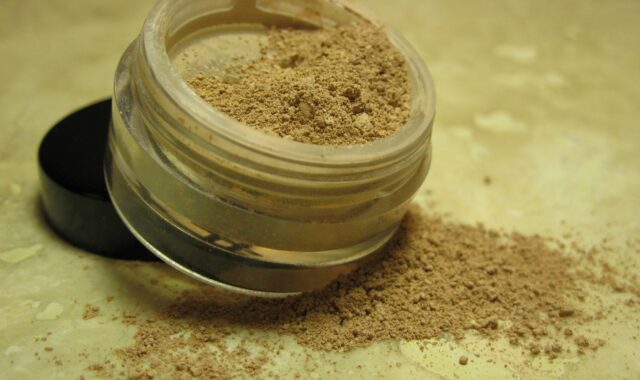
| Talc and mineral powders | Face powders, blush, bronzer, eyeshadow and some body powders | Greater attention to contaminant testing, supplier documentation and batch traceability |
The US shift under MoCRA raises the standard for documentation
The United States has historically regulated cosmetics differently from the EU and UK, but the Modernization of Cosmetics Regulation Act of 2022, usually called MoCRA, has changed the compliance landscape. The FDA describes MoCRA as the most significant expansion of its cosmetics authority since the Federal Food, Drug, and Cosmetic Act was passed in 1938.
Several requirements are especially relevant to ingredient-led beauty cosmetics content. Manufacturers and processors must register facilities and renew registration every two years. A responsible person must list each marketed cosmetic product with the FDA, including product ingredients, and update listings annually. Serious adverse events associated with cosmetic products in the United States must be reported to the FDA within 15 business days.
MoCRA also requires responsible persons to ensure and maintain records supporting adequate safety substantiation. The FDA notes that neither the law nor FDA regulations require one specific test for every cosmetic product or ingredient, but the safety support must be based on scientifically robust information. That distinction matters. A brand does not need to perform the same testing for a simple rinse-off cleanser and a complex eye-area product, but it does need a rational safety file that fits the product, intended use and exposure pattern.
The same law also points to future areas of rulemaking, including good manufacturing practice requirements, fragrance allergen labelling and standardised testing methods for asbestos in talc-containing cosmetic products. As of the FDA’s 2026 MoCRA materials, these areas show that ingredient safety is increasingly linked with facility controls, complaint handling and post-market oversight.
How to read a beauty cosmetics ingredient list more intelligently
A useful ingredient review starts with the product type. A cleanser, a leave-on serum, a sunscreen, a lipstick and a nail product all create different exposure patterns. The same ingredient can be routine in one category and restricted, less appropriate or differently labelled in another. This is why a simple good ingredient or bad ingredient list can mislead shoppers.
Look for function before fear
Most formulas contain several functional groups. Humectants such as glycerin help attract water. Emollients improve softness and slip. Surfactants help cleansers lift oil and soil. Preservatives help protect water-containing products from microbial contamination. Film formers can help make-up wear longer. Colourants, UV filters, fragrance materials and pH adjusters each have specific roles. A long list may simply reflect a formula that has to remain stable, pleasant and safe throughout its shelf life. See also: Buying Guides.
Match the ingredient list with the claim
If a product claims hydration, expect humectants, emollients or barrier-supporting ingredients. If it claims broad sun protection, the active UV filter system and market-specific sunscreen rules matter more than botanical storytelling. If it claims fragrance-free, shoppers with sensitivities should still read the full list because some aromatic plant extracts may be present for other purposes, depending on how the claim is framed.
Pay attention to warnings and use instructions
Warnings are part of the formula story. A strong exfoliating product, hair colour product, eyelash product or peel-off treatment may be safe when used as directed but unsuitable for certain users or use patterns. More transparent beauty cosmetics make precautions easy to find rather than hiding them in tiny text.
What these changes mean for brands and retailers
For brands, ingredient strategy in 2026 is not only a creative formulation choice. It is a documentation discipline. Supplier specifications, allergen certificates, contaminant statements, stability results, preservation data, safety assessments, product claims and label artwork need to tell the same story. When they do not, a product may face relabelling costs, delayed launches, retailer questions or regulatory scrutiny.
Retailers and marketplaces also have a stronger reason to ask for evidence. A product that looks attractive online may still create risk if the Responsible Person is unclear, ingredient information is incomplete, the label is not market-ready or the brand cannot support its claims. In cross-border selling, this becomes even more important because a formula acceptable in one market may need different documentation, notifications or labelling in another.
For smaller beauty businesses, the practical response is to build a compliance calendar around actual product types. Fragranced leave-on creams, talc-containing powders, SPF products, eye-area products and formulas using polymer particles should not be treated as identical risk categories. Updating the highest-risk or most regulation-sensitive products first is usually more realistic than trying to reformulate an entire catalogue at once.
What shoppers should take away
The ingredient changes reshaping beauty cosmetics in 2026 should make shoppers more attentive, not more anxious. Regulation is moving toward clearer labelling, stronger safety records and better traceability. That benefits people who need to avoid specific fragrance allergens, shoppers comparing products across markets and retailers trying to separate serious brands from poorly documented imports.
Ingredient literacy still has limits. An INCI list cannot tell you everything about concentration, manufacturing quality, stability, contamination control or how a finished product performed in safety assessment. A balanced approach is to read the label, check whether the responsible business is clearly identified, follow use instructions, patch test when appropriate for your skin history and avoid products with missing or suspicious information.
The direction of travel is clear: the future of beauty cosmetics will be shaped by formulas that can be explained, labels that help users make decisions and documentation that stands up to regulatory review. In that environment, transparency is not a slogan. It is part of product quality.
Frequently asked questions
Does a longer ingredient list mean a cosmetic product is less safe?
No. A longer list may reflect a more complex formula with preservatives, stabilisers, texture modifiers, colourants or fragrance components. Safety depends on the ingredient, concentration, product type, exposure and finished-product assessment, not simply the number of ingredients.
Why are fragrance allergens appearing more often on labels?
Fragrance allergen labelling is expanding in some markets so sensitised consumers can identify specific substances more easily. More names on a label may mean better disclosure rather than a more hazardous formula.
Are microplastics already banned in all cosmetics?
No. The EU restriction uses transitional periods that vary by product type. Rinse-off, leave-on, make-up, lip and nail products have different timelines, so shoppers may see gradual changes rather than a single immediate switch across all products.
What should I check first when buying beauty cosmetics online?
Check that the product purpose is clear, ingredient information is available, instructions and warnings are understandable, and a responsible business or address is provided for the market where the product is sold. Be cautious with products that make extreme claims or provide minimal labelling information.