Huda Beauty loose powder ingredients explained for setting, baking and shade choice
a[data-rs-seo-link]{text-decoration:underline!important;color:#1a56db!important;cursor:pointer!important;}a[data-rs-seo-link]{text-decoration:underline!important;color:#1a56db!important;cursor:pointer!important;}
Quick answer for ingredient-focused shoppers
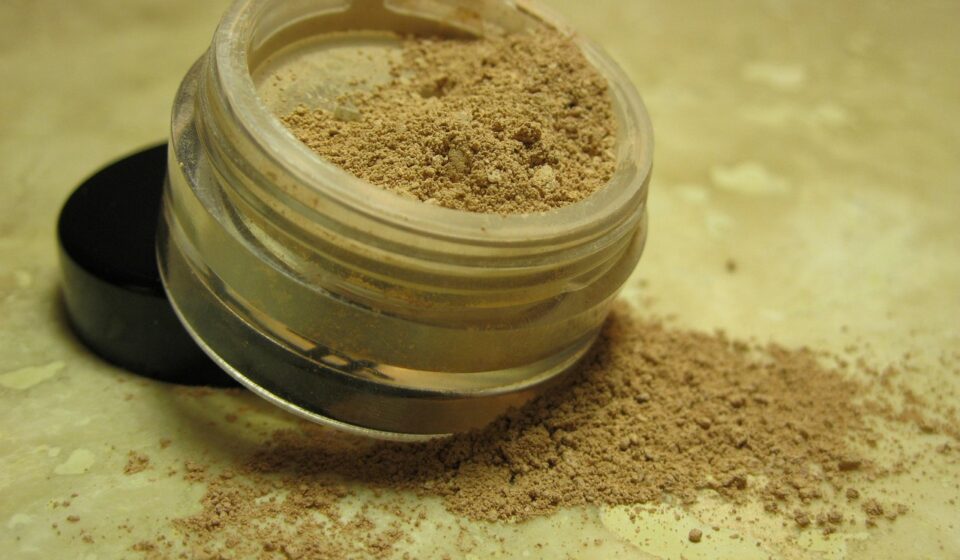
Huda Beauty loose powder, especially the Easy Bake Loose Baking & Setting Powder line, is a talc-first setting and baking powder designed to control shine, soften visible texture and help cream makeup stay in place. From an ingredient perspective, the key points are straightforward: the original version includes talc, silica, rice starch, silicones, nylon-12 and fragrance, while the fragrance-free loose version removes scent but still uses talc. That makes the range a better fit for people who want a matte, smooth, long-wear base than for shoppers specifically looking for talc-free face powder or, in the case of the original formula, scent-free makeup. This Beauty Ingredients guide explains what the formula can realistically do, how brand and retailer claims should be read, and how to choose a shade without making foundation look ashy, pink or overly yellow.
Product pages and ingredient lists can change. This article reflects public brand and major retailer information reviewed on October 15, 2026. It is not a lab test or a personal wear trial. Performance claims are treated as brand or retailer claims, not guaranteed results for every skin type, climate, foundation formula or application method.
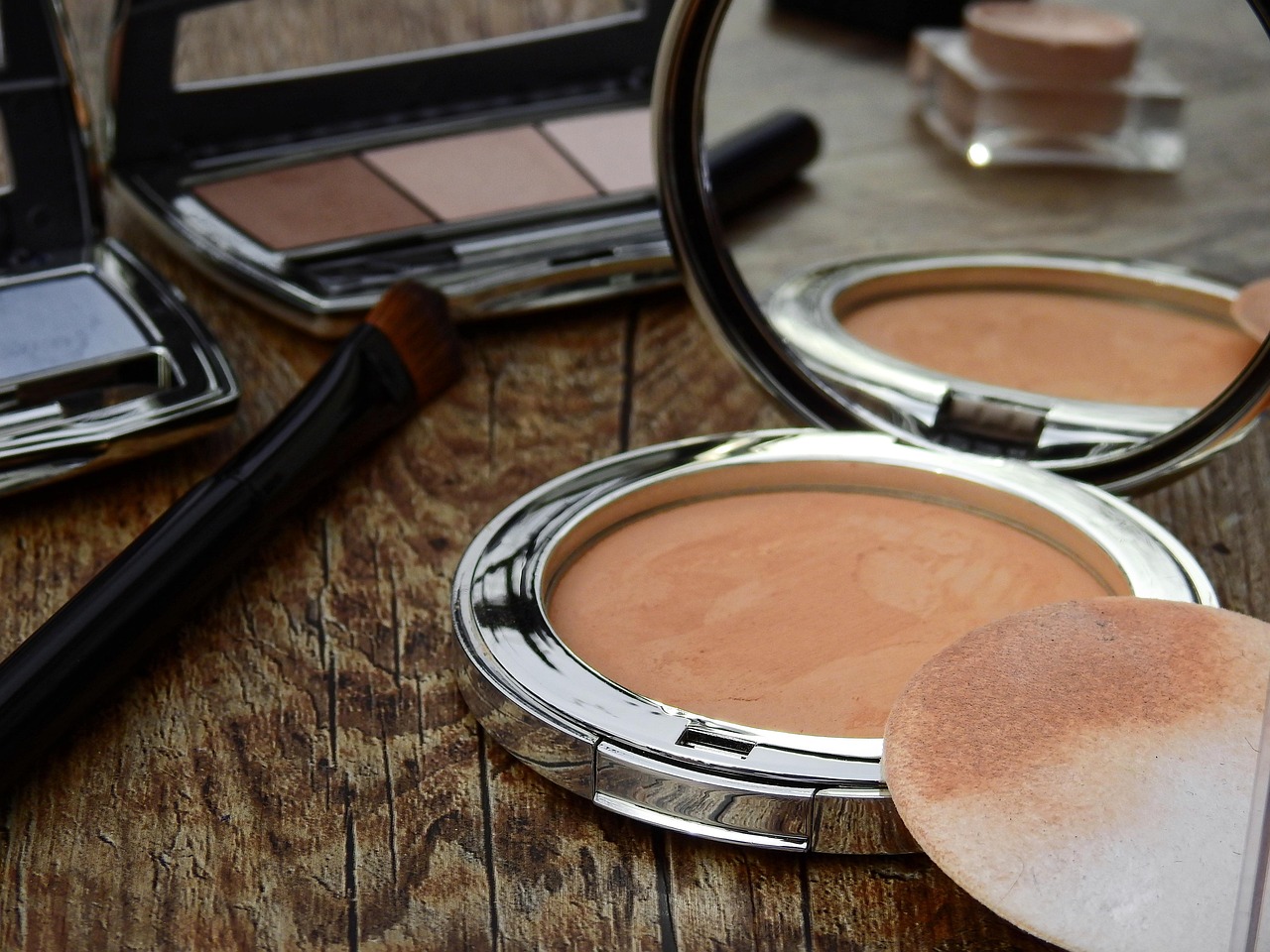
What the product is trying to do
Easy Bake is positioned as both a setting powder and a baking powder. The two uses overlap, but they are not the same. Setting usually means applying a thin layer after foundation or concealer to reduce tackiness and shine. Baking uses a heavier layer, often under the eyes or through the T-zone, which is left in place for several minutes before the excess is brushed away. Huda Beauty’s own directions describe applying a generous layer to the under-eye area, T-zone, laugh lines, outer corners of the mouth and chin, then letting it sit for 3 to 5 minutes.
The current brand listing presents the loose powder as a 20 g product with a lightweight, silky texture, a matte finish with a hint of luminosity, a powder net to help control pickup, and claims including vegan friendly, noncomedogenic, paraben-free and dermatologist tested. A major retailer listing also describes the formula as brightening, blurring and long wearing, with an airbrush-style finish. These claims explain the product positioning, but they do not replace patch testing, shade matching or careful application.
| Product promise | What supports the effect | Practical limitation |
|---|---|---|
| Oil control | Talc, silica and rice starch are absorbent powder materials. | Very dry skin may look flatter or more textured if too much is applied. |
| Blurred finish | Fine powders, silicones and nylon-12 can scatter light and improve slip. | Blur is a visual makeup effect, not skincare; it will not shrink pores or remove lines. |
| Brightening | Shade undertones can counter or lift the look of specific areas. | The wrong shade can leave a pale, pink, peach or yellow cast. |
| Long wear | Powder reduces surface moisture and helps cream products set. | Wear still depends on primer, foundation, humidity, skin oil and application amount. |
Ingredient list decoded
The original Easy Bake loose powder formula begins with talc, followed by synthetic fluorphlogopite, silica, dimethicone, nylon-12, caprylyl glycol, pentylene glycol, rice starch, phenyl trimethicone, sodium dehydroacetate and several emollient, fragrance and colorant components. Ingredient order matters because cosmetic labels generally list ingredients from highest to lowest concentration until the low-percentage portion of the formula. In practical terms, talc is not a minor supporting ingredient in the original formula; it is the base of the powder system.
| Ingredient or group | Why it is there | What shoppers should notice |
|---|---|---|
| Talc | Absorbs moisture, improves slip, adds opacity and helps reduce caking. | Not suitable if you are actively avoiding talc in facial powders. |
| Silica | Supports oil absorption and a soft-focus look. | Helpful for shine control, but overapplication may look dry in close-up. |
| Rice starch | Adds absorbency and a lightweight powder feel. | Works with talc and silica rather than replacing them. |
| Dimethicone and phenyl trimethicone | Silicones that improve glide, smoothness and blendability. | Useful for a less chalky feel, though silicone-sensitive shoppers may want to check compatibility. |
| Nylon-12 | A texture modifier often used for a silky, diffused finish. | Part of the soft-focus feel rather than a skincare active. |
| Caprylyl glycol, pentylene glycol and sodium dehydroacetate | Support preservation and formula stability. | Functional support ingredients, not the main performance drivers. |
| Fragrance and fragrance allergens | Give the original powder its scent profile. | Relevant for people who get headaches, eye watering or irritation from scented makeup. |
| Iron oxides, ultramarines and lakes | Create shade undertones and color correction. | Colorants may vary by shade, so the shade name alone is not enough. |
The fragrance-free Easy Bake loose powder has a similar talc-led structure but removes parfum and listed fragrance allergens. Huda Beauty’s fragrance-free listing also shows kaolin in the formula for several shades. This makes the fragrance-free version a more suitable option for scent-sensitive shoppers, but it should not be confused with a talc-free product.
Talc, safety questions and what shoppers can verify
Talc is widely used in face powders because it absorbs moisture, helps prevent clumping, improves feel and gives makeup opacity. The U.S. Food and Drug Administration describes cosmetic talc as a naturally occurring mineral made of magnesium, silicon, oxygen and hydrogen. The safety discussion around talc is not only about talc as a texture ingredient. It also involves the historical concern that talc deposits can occur near asbestos, a different mineral that is a known carcinogen when inhaled.
For consumers, the practical issue is verification. The FDA has sampled talc-containing cosmetics in several years and has continued to discuss testing methods for detecting asbestos in talc-containing cosmetics. On November 28, 2025, the agency announced withdrawal of a proposed rule on standardized asbestos testing methods so it could further consider comments before issuing final regulations. That withdrawal should not be interpreted as proof that every talc product is unsafe or safe. It means the regulatory question around standardized testing methods was still unresolved at that point.
A cautious shopper can take three basic steps. First, check the current ingredient list on the product box, not only a social post or an older retailer page. Second, avoid deliberately inhaling loose powder clouds during application. Third, choose a talc-free powder if talc avoidance is a personal requirement. Based on current ingredient lists, the original and fragrance-free Huda Beauty Easy Bake loose powders are not talc-free.
Shade choice and color correction
Huda’s current loose-powder pages and retailer materials show a broad shade discussion around names such as Sugar Cookie, Cherry Blossom Cake, Cupcake, Pound Cake, Banana Bread, Blondie, Kunafa, Cinnamon Bun, Coffee Cake, Peach Pie, Matcha Milk Cake and Ube Birthday Cake. Availability can vary by market, retailer and formula version. Older mini-size pages or retailer shade charts may show fewer shades, so the safest approach is to confirm the current shade list where you plan to buy.
Start shade selection with the job you want the powder to do. For all-over setting with minimal color shift, a translucent or close-to-skin shade is usually safer. Sugar Cookie is commonly positioned as the translucent option, but translucent does not mean invisible on every skin tone or in every lighting condition. For under-eye brightening, a slightly lighter shade can work if the undertone suits both the concealer and the complexion. Pink shades can brighten some dull or grey-looking under-eyes, peach tones can soften blue or purple darkness, and yellow or golden tones can warm the look of concealer. Deeper shades such as Cinnamon Bun and Coffee Cake matter because a setting powder range should not assume that one translucent option works across all complexions. See also: Buying Guides.
| Makeup goal | Shade strategy | Risk to avoid |
|---|---|---|
| Set the whole face | Choose a shade close to your foundation depth or a proven translucent shade. | A powder that is too light can make the face look grey or flash pale. |
| Brighten under eyes | Use a slightly lighter shade with an undertone that complements your concealer. | Too much contrast can create a visible powder mask. |
| Reduce redness or pinkness | Consider neutral, yellow, peach or corrective tones after checking swatches. | Green or yellow-leaning shades can look obvious if applied heavily. |
| Maintain depth on tan to rich skin | Use deeper powder shades designed for tan, rich or deep complexions. | Universal translucent powders can still leave an ashy veil. |
How to use it without caking or flashback
For baking, apply concealer or foundation first, then press a generous but controlled amount of powder into areas that crease or become oily. Let it sit for 3 to 5 minutes, then remove the excess with a soft brush. A puff or sponge usually gives more pressure and stronger smoothing, while a fluffy brush gives a lighter set. If the under-eye area is dry, textured or mature, a shorter bake time may be more forgiving; in some cases, pressing on a thin veil is a better option than baking.
For everyday setting, less is usually enough. Tap powder into the puff, fold or rub the puff to distribute product evenly, then press rather than drag. Focus on the sides of the nose, smile lines, center forehead and chin if those are the oilier areas. If you use sunscreen or a luminous foundation, test the powder in daylight and flash photography before wearing it for an event. Brand copy may describe a flashback-free effect, but visible flash can also come from sunscreen filters, foundation pigment, lighting, application amount and a shade that is too pale.
The formula is most likely to appeal to people who prefer a polished matte base, wear medium to full coverage complexion products, or need makeup to hold up better against oil and humidity. It may be less suitable for minimal makeup users who dislike powder texture, shoppers avoiding talc, or anyone who finds scented face products uncomfortable unless they can access the fragrance-free version.
Frequently asked questions
Is Huda Beauty loose powder talc-free?
No. The current ingredient lists for the original Easy Bake Loose Baking & Setting Powder and the fragrance-free loose version both begin with talc. If talc-free is your main requirement, this is not the right loose powder unless the brand releases a reformulated version and the package confirms it.
Does Huda Beauty loose powder contain fragrance?
The original version lists parfum or fragrance plus several fragrance allergens. Huda Beauty also lists a fragrance-free loose version in selected markets, including North America, but shade availability may be narrower than the original formula. Fragrance-free does not mean talc-free.
Which shade is safest for beginners?
For all-over setting, choose the shade closest to your foundation depth or a sheer option you have tested in daylight. Sugar Cookie is commonly treated as the translucent choice, but deeper skin tones should still swatch it because translucent powders can look pale when layered.
Is it better for baking or normal setting?
It can be used for both. Baking gives stronger oil control and brightening, but it also carries a higher risk of dryness or visible texture. Normal setting with a smaller amount is easier for everyday wear and more forgiving on dry or mature under-eyes.
Who should be cautious with this powder?
Be cautious if you avoid talc, dislike matte finishes, react to fragrance, have very dry under-eyes, or are sensitive to loose powder dust. In those cases, check the exact formula, consider the fragrance-free version if scent is the issue, or compare talc-free powders before buying.