Nail color tips for choosing shades that suit your skin tone and routine
a[data-rs-seo-link]{text-decoration:underline!important;color:#1a56db!important;cursor:pointer!important;}a[data-rs-seo-link]{text-decoration:underline!important;color:#1a56db!important;cursor:pointer!important;}
Start with undertone, contrast, and where you will wear the color
The most useful nail color tips are less about following every new shade and more about choosing colors that work with your skin undertone, nail length, wardrobe, and routine. A shade that looks elegant on short nails may feel much bolder on long nails. A sheer pink that looks clean in the office can disappear under evening lighting. A dark red applied without a base coat may leave visible staining on natural nails. The goal is not to follow rigid rules, but to build a polish wardrobe that is flattering, practical, and easy to maintain.
For most people, undertone is the best starting point. Skin depth describes how fair or deep your skin is. Undertone describes whether your skin leans cool, warm, neutral, or olive. Two people can have the same skin depth and still suit different nail colors because their undertones respond differently to blue, yellow, orange, grey, and brown pigments.
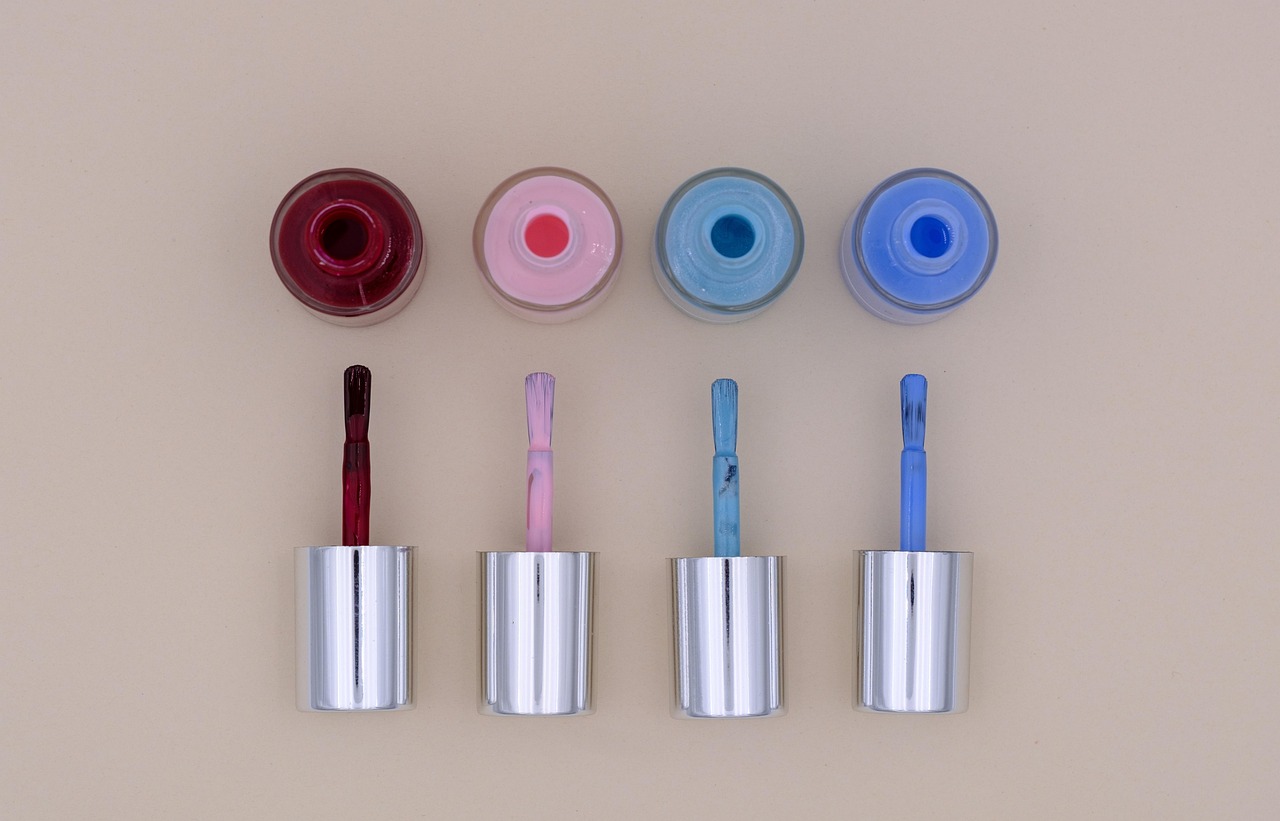
A quick comparison can help. If silver jewelry, blue-red lipstick, and icy colors tend to look harmonious, you may lean cool. If gold jewelry, tomato red, coral, caramel, and warm brown look more natural, you may lean warm. If both directions work, you may be neutral. Olive undertones often have a green or muted golden cast and can pair well with more complex shades such as taupe, terracotta, mauve, khaki, and muted berry.
These categories are useful starting points, not fixed rules. Lighting, clothing, nail shape, and personal style all affect how a polish reads on the hand. The most reliable test is still to hold the color near your fingers in daylight before committing to a full manicure.
How to match nail color to skin tone
Color matching becomes easier when you separate everyday flattering shades from deliberate statement colors. Everyday shades usually echo your undertone or create a soft contrast. Statement shades can clash intentionally, but the contrast should look chosen rather than accidental.
Cool undertones
Cool undertones often pair well with blue-based reds, raspberry, cherry, plum, mauve, dusty rose, cool beige, greige, slate, navy, and silver shimmer. If a nude polish looks too yellow or peachy, try a pink-beige, mauve nude, or sheer milky rose instead. For a stronger manicure, cobalt, icy lavender, wine, and deep emerald can look crisp against cool skin.
Warm undertones
Warm undertones often suit tomato red, coral, peach, terracotta, caramel, bronze, chocolate, olive, mustard, warm beige, and copper shimmer. If pale pink looks chalky, a peachy nude or warm sheer beige may look more balanced. For deeper color, brick red, burnt orange, cinnamon, and espresso can feel rich without looking severe.
Neutral and olive undertones
Neutral undertones can usually move between cool and warm color families. The most wearable options are often balanced shades such as rose beige, soft taupe, classic red, creamy brown, muted berry, and clean navy. Olive undertones may find that very pastel or very yellow shades can look dull against the skin, while dusty rose, khaki, clay, aubergine, wine, and mushroom beige look more refined.
If you are unsure, compare two similar shades instead of testing one color alone. For example, hold a blue-red and an orange-red next to your fingers. One will usually make the skin look clearer, while the other may exaggerate redness, sallowness, or shadows.
Use nail length and shape to guide shade intensity
The same color can feel very different on short, medium, almond, square, or long coffin-shaped nails. A shade that looks subtle in the bottle may become more dramatic once it covers a larger nail surface.
- Short nails: Sheer pink, beige, red, navy, espresso, and dark berry can all work well. Short nails often make bold shades look neat rather than overwhelming.
- Medium nails: This length is flexible. Cream finishes, soft metallics, muted brights, and classic reds usually look balanced.
- Long nails: Deep black, neon, chrome, glitter, and opaque white create stronger impact. For a softer look, try sheer jelly, French tips, muted mauve, or translucent nude.
- Square nails: Clean reds, milky shades, taupes, and graphic dark colors often look polished because the shape already feels structured.
- Almond or oval nails: These shapes soften strong colors and help sheer, pearly, wine, and nude shades look more elongated.
A practical rule is to balance one strong element at a time. If the nail shape is long and sharp, a softer shade can make it more wearable. If the nails are short and simple, a saturated color can add interest without feeling excessive.
Choose the finish as carefully as the color
Finish changes the character of a manicure. A beige cream, beige shimmer, beige chrome, and beige jelly are not interchangeable. They may sit in the same color family, but they create different style effects and wear differently.
| Finish | Best for | What to consider |
|---|---|---|
| Cream | Classic solid color and everyday manicures | Chips can be visible on dark or bright shades, so careful top coat application matters. |
| Sheer or jelly | Soft, clean, low-maintenance looks | Usually more forgiving as it grows out, but may need extra coats for evenness. |
| Metallic | Evening looks and high-shine accents | Brush strokes can show, especially in silver and frost finishes. |
| Glitter | Accent nails, parties, and long wear | Removal can take longer and may dry the nail if done aggressively. |
| Matte | Modern, editorial color statements | Can show oil, lotion marks, and tip wear sooner than glossy finishes. |
| Chrome or pearl | Reflective, trend-led manicures | Looks best on smooth nail surfaces because shine highlights texture. |
If your nails are ridged, peeling, or uneven, highly reflective finishes may draw attention to texture. In that case, a ridge-filling base coat, soft cream, or semi-sheer polish can look smoother than high chrome or frost.
Build a small polish wardrobe instead of buying random shades
A practical nail color wardrobe helps prevent impulse purchases that rarely get used. Instead of collecting many similar bottles, choose colors by role. This makes it easier to match polish to your week, outfit, and maintenance level.
- One clean neutral: A sheer pink, beige, milky white, taupe, or rose nude for interviews, workdays, and minimal outfits.
- One classic red: Blue-red for a crisp look, orange-red for warmth, or brick red for a softer vintage effect.
- One deep shade: Burgundy, navy, espresso, plum, or blackened green for evenings and cooler months.
- One soft color: Lavender, sage, pale blue, blush, or muted peach for relaxed weekends.
- One statement shade: Neon, chrome, glitter, cobalt, lime, or bright coral for holidays, events, or accent nails.
This system is also useful when reading product descriptions online. Instead of asking whether a polish is generally pretty, ask which role it fills. If you already own three cool mauves, the more useful next purchase may be a warm neutral, a deep red, or a sheer shade that is easier to wear between appointments.
For more practical beauty guidance, explore the Usage Tips section for routines and product-use advice.
Match color to occasion without losing your style
Occasion matters because nail color is seen at close range during everyday gestures: typing, holding a cup, shaking hands, opening a handbag, or applying makeup. A manicure does not need to be plain to be appropriate, but it should feel intentional in context. See also: Beauty Ingredients.
Work and professional settings
Neutral does not have to mean beige. Soft rose, muted mauve, sheer brown, greige, milky white, deep navy, and classic red can all look professional when nails are well shaped and polish is not chipped. If your workplace is conservative, choose lower-contrast shades close to your natural nail color or skin depth.
Weddings and formal events
For formal events, consider how the polish will photograph with jewelry, fabric, and flowers. Sheer pink, pearl, champagne, soft French tips, rose beige, and delicate shimmer are safe choices. If your outfit is minimal, a wine, red, or deep plum manicure can work as an accessory.
Holidays and weekends
Travel and weekend manicures should be chosen for wear as well as color. Sheer shades, jelly finishes, and small glitter particles often disguise minor chips better than opaque pastels or very dark creams. If you will be swimming, carrying luggage, or using sunscreen frequently, a shade that tolerates tip wear may be more practical than a perfect pale cream.
Protect the nail underneath the color
A good color choice should also take nail condition into account. Dermatology sources, including the American Academy of Dermatology, note that repeated gel manicures can contribute to brittleness, peeling, and cracking for some people. The same organization advises protecting hands from UV exposure during gel services by using broad-spectrum sunscreen or opaque fingerless gloves. For regular polish, it also notes that red polish without a base coat can contribute to yellow staining.
The U.S. Food and Drug Administration explains that nail products can contain ingredients such as formaldehyde-related compounds, toluene, and phthalates, and advises consumers who wish to avoid specific ingredients to read product labels. This does not mean every nail polish is unsafe, but it does support a sensible habit: check the label if you have allergies, sensitivities, pregnancy-related concerns, or a history of reactions to nail products.
Removal is another part of nail color planning. Dark, glitter, and gel formulas often require more effort to remove. Aggressive scraping, long soaking, and frequent remover use can leave nails feeling dry or weak. If your nails are already splitting, choose easier-removal colors for a few weeks, keep nails shorter, and use hand cream or cuticle oil regularly.
- Use a base coat before highly pigmented reds, blues, greens, and dark shades.
- Apply thin coats rather than thick layers, which are more likely to dent or peel.
- Seal the free edge with top coat to slow tip wear.
- Avoid peeling gel or polish off the nail plate.
- Give nails a break from long-wear systems if they become thin, sore, or brittle.
- Seek medical advice for new dark streaks, lifting nails, pain, swelling, or persistent discoloration that does not grow out.
Common nail color mistakes and better alternatives
Many disappointing manicures come from small mismatches rather than bad colors. The polish may be too sheer for the look you expected, too warm for your undertone, too pale for your nail condition, or too high-maintenance for your week.
| Mistake | Why it happens | Better choice |
|---|---|---|
| Buying a nude that matches the bottle, not the skin | Nude shades shift strongly against undertone. | Test beige, pink, peach, and mauve nudes side by side. |
| Choosing opaque pastel on ridged nails | Pastels can apply streaky and highlight texture. | Try a sheer pastel, jelly finish, or ridge-filling base. |
| Skipping base coat with dark colors | Strong pigments may stain natural nails. | Use a base coat and avoid leaving dark polish on too long. |
| Wearing high-contrast chips for too many days | Dark and bright chips are more visible. | Choose sheer, nude, or micro-glitter when you need longer wear. |
| Assuming trend colors suit every setting | Some finishes are more expressive than practical. | Use trend shades as accent nails, tips, or pedicure colors first. |
The most reliable approach is to test color in stages. One coat shows undertone; two coats show opacity; daylight shows whether the shade flatters your skin; and a full day of wear shows whether it suits your routine.
Frequently asked questions
What nail color makes hands look younger?
There is no single shade that works for everyone, but soft rose, sheer pink, warm beige, muted peach, and classic red often make hands look polished without drawing attention to texture. Very grey, chalky, or overly pale colors can sometimes emphasize dryness, especially if the skin is dehydrated.
What is the most versatile nail color?
A sheer neutral is usually the most versatile because it works across outfits, occasions, and nail lengths. Choose pink-neutral for cool undertones, peach-beige for warm undertones, taupe for muted or olive undertones, and rose beige if you want a balanced option.
Should fingernails and toenails match?
They can match, but they do not have to. A modern approach is to keep them related: for example, sheer pink fingers with red toes, nude fingers with burgundy toes, or taupe fingers with chocolate toes. Matching is classic; coordinating is often more flexible.
How do I choose a red nail polish?
Start with undertone. Blue-reds look crisp and cooler, orange-reds feel warmer and brighter, while brick reds are softer and more muted. If you want one red that works for many occasions, choose a balanced true red in a cream finish.
Why does a polish look different on my nails than in the bottle?
Bottle color is affected by glass thickness, lighting, pigment density, and the number of coats. Your natural nail color also changes the final result, especially with sheer formulas. Always check whether the polish is sheer, jelly, cream, metallic, or topper before buying.