IT Cosmetics foundation guide for coverage, finish and SPF

a[data-rs-seo-link]{text-decoration:underline!important;color:#1a56db!important;cursor:pointer!important;}a[data-rs-seo-link]{text-decoration:underline!important;color:#1a56db!important;cursor:pointer!important;}
What people usually mean by IT Cosmetics foundation
Most searches for IT Cosmetics foundation are really about the brand’s CC+ Cream family: complexion products positioned as foundation, color corrector, skin-care step and SPF product in one. The useful question is not which formula is best overall. It is which coverage level, finish and sunscreen expectation fit your routine.
IT Cosmetics currently describes its original CC+ Cream as full coverage with a natural finish and SPF 50+. Its CC+ guide separates the range into natural, natural matte, healthy glow and radiant finishes. The brand’s product page also says its “#1 SPF foundation” claim is based on Circana U.S. prestige beauty foundation data with SPF attribute for January to December 2024. That should be read as a retail-sales claim, not as proof that the formula suits every skin type or routine. (itcosmetics.com)
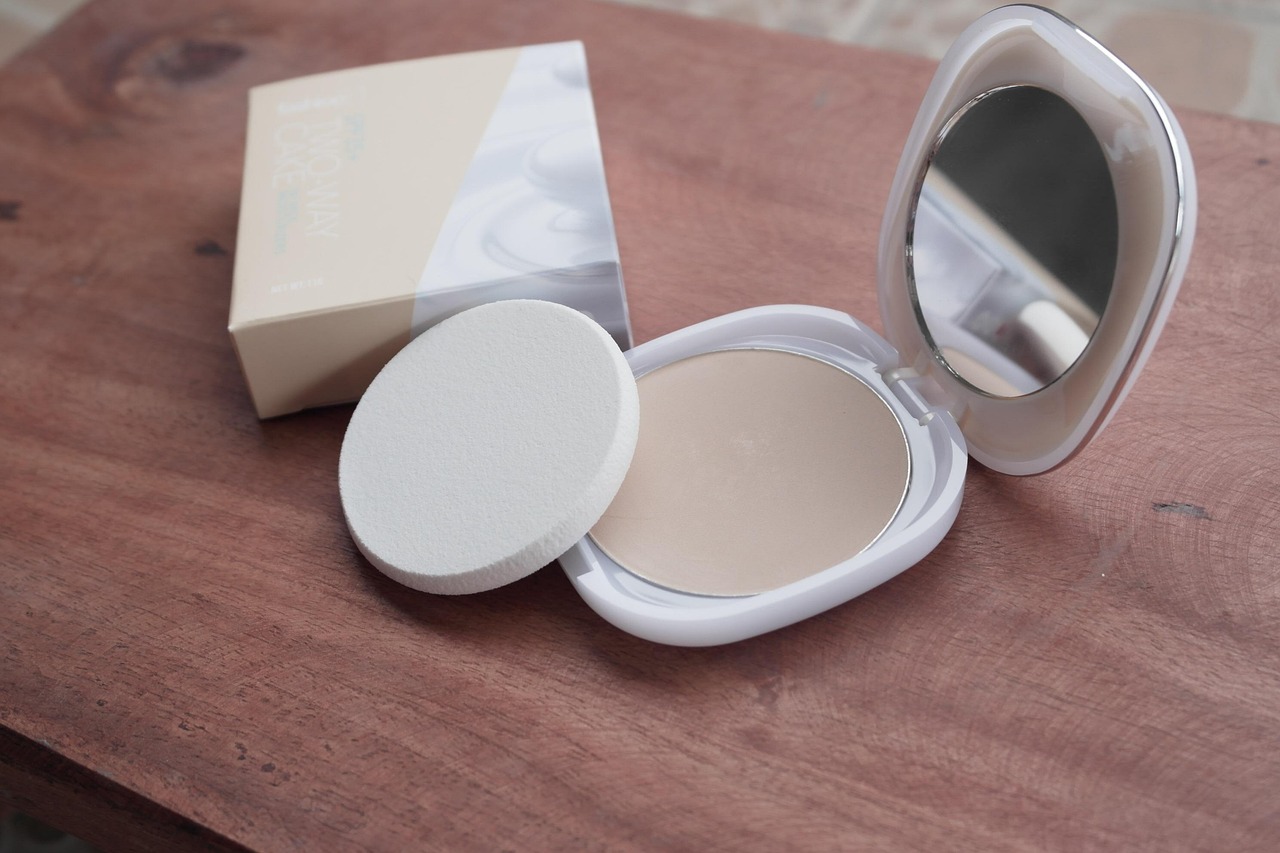
The distinction matters because SPF makeup sits between beauty and sun care. The U.S. Food and Drug Administration says foundation is regulated as makeup, but makeup that makes sunscreen claims is also treated as a sunscreen product when it is intended for sun protection. For shoppers, the SPF number is meaningful, but the amount applied and the timing of reapplication still determine how much practical protection they receive. (fda.gov)
Compare the main CC+ foundation options
The clearest way to compare the IT Cosmetics foundation line is by finish, coverage and how you want the base to wear during the day. The brand’s CC+ guide identifies the original CC+ Cream, CC+ Natural Matte, CC+ Nude Glow and CC+ Illumination as separate finish choices, with different coverage levels and SPF values. (itcosmetics.com)
| Formula | Coverage | Finish | SPF | Best fit to consider |
|---|---|---|---|---|
| CC+ Cream with SPF 50+ | Full coverage | Natural | SPF 50+ | Redness, uneven tone or days when you want a more perfected base |
| CC+ Natural Matte Foundation | Full coverage | Natural matte | SPF 40 | Oily or combination skin, shine control and a less dewy look |
| CC+ Nude Glow Lightweight Foundation + Glow Serum | Medium coverage | Healthy glow | SPF 40 | Normal to dry skin, lighter makeup days and a more skin-like finish |
| CC+ Cream Illumination with SPF 50+ | Full coverage | Radiant | SPF 50+ | Duller-looking skin or anyone who prefers visible luminosity |
The original CC+ Cream is the reference point for the line. It is the most direct choice if you want fuller coverage and a natural finish. CC+ Natural Matte keeps the full-coverage positioning but moves the look toward shine control. CC+ Nude Glow is the lighter-feeling option in this comparison because the brand presents it as medium coverage. CC+ Cream Illumination is closest to the original in coverage and SPF level, but it is designed for a more radiant result.
How to choose by skin type and finish
If your skin is dry or mature
Dry or mature skin often looks better with a flexible base that does not emphasize texture. The original CC+ Cream may work if you want more coverage, but skin prep matters. Use moisturizer, let it settle, then apply a thin layer instead of starting with a heavy pump. CC+ Nude Glow is worth considering when you want a fresher look and can accept medium coverage rather than full camouflage. If fine lines are a concern, a lighter application is usually more important than the formula name.
If your skin is oily or combination
For oily or combination skin, CC+ Natural Matte is the most logical starting point because it is the line’s shine-control option. That does not mean it will stay matte on everyone all day. Humidity, moisturizer, primer and powder can all affect wear. A practical approach is to use a small amount through the center of the face, wait a few minutes, then set only the areas that crease or become shiny. Too much powder can make full coverage look heavier than intended.
If redness or uneven tone is the main concern
IT Cosmetics built much of the CC+ identity around color correction, so the full-coverage formulas are likely to be the most relevant if redness, dark spots or uneven tone are your main concerns. The key is selective coverage. Start where discoloration is strongest, then blend outward rather than applying a thick layer everywhere. This keeps the finish more natural and reduces the chance of foundation collecting around the nose, mouth or under-eye area.
What to know about SPF in foundation
SPF is one of the main reasons shoppers compare IT Cosmetics foundation formulas, but it is also where expectations need to be realistic. The American Academy of Dermatology recommends broad-spectrum sunscreen with SPF 30 or higher, water resistance and regular reapplication. It also advises applying sunscreen before going outdoors and reapplying every two hours, or immediately after swimming or sweating. (aad.org)
That guidance creates an important distinction: an SPF foundation can be a useful part of a daytime routine, but it should not automatically replace a dedicated sunscreen when you expect meaningful sun exposure. Most people apply foundation for appearance, not in the same amount or pattern as sunscreen. If you rely on a CC+ product for incidental daily exposure, apply it evenly and remember areas such as the hairline, ears and neck. If you will be outdoors for longer periods, layer a separate broad-spectrum sunscreen underneath and plan for reapplication.
Tinted SPF products can have another benefit. The American Academy of Dermatology notes that tinted sunscreen with iron oxides can help protect against visible light, which is relevant for people prone to dark spots. This does not mean every foundation performs the same way as a dedicated tinted sunscreen, but it helps explain why SPF complexion products remain popular in routines focused on tone and discoloration. (aad.org) See also: Beauty Ingredients.
Application tips for a more natural result
Full-coverage complexion products are easiest to control when you apply less than you think you need. Start with a small amount, spread it thinly, then add coverage only where the skin still needs balancing. A damp sponge sheers out the finish and can help prevent a mask-like effect. A brush gives faster coverage and a more polished look, but it can leave streaks if too much product is used at once. Fingers can work well around the nose and jaw because warmth helps the product move.
- Prep according to finish. Use richer skin care under natural or radiant finishes if skin feels tight, but keep oily areas lighter under matte formulas.
- Match undertone, not just depth. A shade that is close in lightness can still look wrong if the undertone is too pink, yellow or neutral for your neck and chest.
- Set strategically. Powder the T-zone, smile lines or mask-contact areas rather than flattening the whole face.
- Refresh instead of layering repeatedly. Blot oil first, then add a tiny amount only where coverage has moved.
Buying checklist before you choose
Before buying, decide what problem you want the foundation to solve. If the answer is “I want full coverage with SPF,” the original CC+ Cream or CC+ Cream Illumination may be the closest match, depending on whether you prefer a natural or radiant finish. If the answer is “I want less shine,” CC+ Natural Matte is the clearer starting point. If the answer is “I want something lighter for everyday wear,” CC+ Nude Glow may make more sense than a full-coverage formula.
Also check how the product fits the rest of your routine. A formula with skin-care ingredients does not replace a full routine if your skin needs targeted treatment, and a foundation with SPF does not remove the need for careful sunscreen habits. For more beauty explainers and product-category guides, visit our Cosmetics section.
- Choose coverage first: medium for a lighter look, full for visible discoloration or redness.
- Choose finish second: matte for shine control, natural for balance, radiant or glow for luminosity.
- Consider sunscreen use separately if you spend extended time outdoors.
- Patch test if your skin is reactive or if fragrance, sunscreen filters or rich textures often bother you.
- Review return policies when shade matching online, because undertone is hard to judge from product images alone.
Frequently asked questions
Is IT Cosmetics CC+ Cream a foundation or a CC cream?
It is marketed as both a color-correcting CC product and a foundation-style base. In practical terms, shoppers use it like foundation because it provides complexion coverage, while the CC+ line also emphasizes skin-care ingredients and SPF.
Which IT Cosmetics foundation has the most natural everyday finish?
The original CC+ Cream is positioned as full coverage with a natural finish, while CC+ Nude Glow is positioned as medium coverage with a healthy glow. If you want a more natural-looking everyday base, the better choice depends on whether you prefer stronger coverage or a lighter skin-tint effect.
Can IT Cosmetics foundation replace sunscreen?
It can contribute SPF coverage when applied properly, but it should not be your only sun-care plan for extended outdoor exposure. Dermatology guidance still emphasizes broad-spectrum SPF, enough product and reapplication, which many people do not do with foundation.
Which formula is better for oily skin?
CC+ Natural Matte is the most relevant option to consider because it is the matte, shine-control member of the CC+ lineup. Use a light moisturizer underneath and set only the oiliest areas to avoid a heavy finish.
Why does full-coverage CC cream sometimes look cakey?
Cakiness usually comes from too much product, incompatible skin prep, excess powder or layering over texture. Apply a thin first layer, add coverage only where needed and give moisturizer or sunscreen time to settle before foundation.