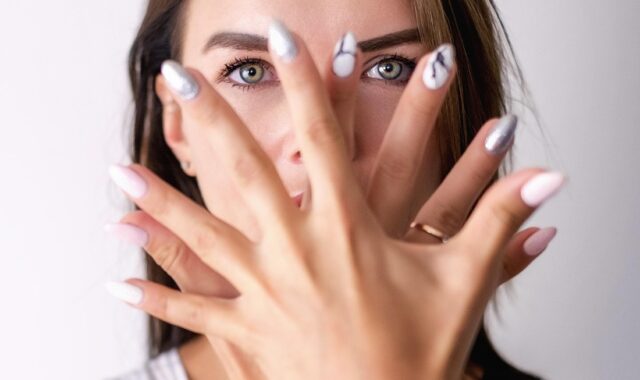
Eye make up tips for everyday looks, sensitive eyes and easy removal

a[data-rs-seo-link]{text-decoration:underline!important;color:#1a56db!important;cursor:pointer!important;}a[data-rs-seo-link]{text-decoration:underline!important;color:#1a56db!important;cursor:pointer!important;}
Start with clean products, light layers and a clear plan
These eye make up tips start with a practical point: eye makeup should define the eyes without making them feel irritated, heavy or difficult to remove. For most everyday looks, the best results come from clean tools, thin layers, balanced placement and a removal routine that protects the lash line.
Safety matters because eye cosmetics sit close to the tear film, lashes and delicate eyelid skin. The U.S. Food and Drug Administration, the American Academy of Ophthalmology, the American Academy of Dermatology and the American Optometric Association all emphasize basic hygiene, avoiding shared products and removing makeup properly. The guidance below translates those principles into everyday steps for beginners, contact lens wearers, sensitive eyes and anyone who wants eye makeup to last without looking overdone.

If you want more beauty application guides, browse our Usage Tips section for related routines and product-use ideas.
Build a safer base before applying color
Good eye makeup begins before the first swipe of shadow. Wash your hands, use clean brushes, and avoid applying products if your eyes are red, painful, unusually watery or infected. The FDA warns that eye cosmetics can become contaminated when misused, and contamination near the eye can lead to infection. The risk increases when products are shared, used after an eye infection, or mixed with saliva or tap water to revive a drying formula.
Keep the routine simple and replace products when their texture, smell or performance changes. Mascara needs extra caution because the wand goes back into the tube after touching the lashes. Dermatology guidance commonly treats mascara as one of the shortest-life makeup items once opened, so it is not a product to keep for years. Powder shadows often last longer than creams, but any product that becomes crumbly, sour-smelling, separated or irritating should be discarded.
| Step | Practical tip | Why it matters |
|---|---|---|
| Hands and tools | Wash hands and clean brushes regularly | Reduces transfer of oil, bacteria and old pigment |
| Mascara | Do not add water or saliva to thin it | Helps prevent contamination inside the tube |
| Sharing | Avoid swapping eyeliner, mascara or lash tools | Another person’s germs can transfer to your eye area |
| After infection | Throw away products used while infected | Helps prevent reintroducing organisms after recovery |
Choose placement according to your eye shape
One common eye makeup mistake is copying a placement that does not suit the eye shape. Product choice matters, but placement often changes the whole effect. A matte neutral shade can look natural or dramatic depending on where it sits in relation to the crease, lash line and outer corner.
Hooded eyes
For hooded eyes, keep the deepest shade slightly above the natural crease so it remains visible when the eyes are open. A thin liner usually works better than a thick band because heavy liner can cover the visible lid. Curl lashes and focus mascara at the center and outer corner to lift the eye without making it look smaller.
Monolids
For monolids, use gradient placement instead of a traditional cut crease. Place the deepest shade close to the lash line, blend a mid-tone upward, and keep shimmer concentrated where you want light to catch. Waterproof or long-wear liner may help with transfer, but choose formulas that remove cleanly so you do not have to rub.
Deep-set eyes
Deep-set eyes often benefit from brightness on the mobile lid and a lighter hand in the crease. Very dark shadow above the crease can make the eyes appear more recessed. A soft brown or taupe along the lash line gives definition without making the eye socket look heavier.
Downturned or small eyes
For downturned eyes, keep the darkest liner slightly lifted at the outer third instead of following the natural downward angle. For small eyes, avoid surrounding the entire eye with dark liner. A lighter inner corner, curled lashes and a soft outer-corner shadow usually open the eye more effectively than heavy black pencil.
Apply eye makeup in an order that prevents smudging
A consistent order reduces patchiness and makes corrections easier. If you wear contact lenses, eye-care guidance generally recommends inserting lenses before applying makeup and removing lenses before taking makeup off. This helps limit the chance of makeup residue getting trapped between the lens and the eye.
- Prepare the eyelid. Use a small amount of eye primer, or a thin layer of concealer set with powder if your lids are oily.
- Map the crease or socket. Apply a soft matte transition shade where you want natural depth, not necessarily where a tutorial places it.
- Add lid color. Use a lighter satin, matte or subtle shimmer on the mobile lid to bring the eye forward.
- Define the lash line. Apply liner in thin strokes close to the lashes. Beginners can use brown shadow on an angled brush before moving to pencil or liquid.
- Curl lashes before mascara. Curling after mascara can stick to the lashes and may increase breakage.
- Apply mascara in thin coats. Wiggle at the root, then pull through. Let the first layer set briefly before adding another.
- Clean the edges. Use a cotton bud with a tiny amount of remover to sharpen the outer corner without disturbing the rest of the look.
This order also helps prevent overcorrection. If the eyes already look defined after liner, stop before adding more shadow. If mascara gives enough lift, false lashes may not be necessary for daytime.
Adapt the routine for sensitive eyes and contact lenses
Sensitive eyes need fewer irritants, cleaner tools and softer removal. Choose fragrance-free products when possible, and be cautious with glitter, loose pigment and fiber mascaras because small particles can migrate toward the eye. Labels such as ophthalmologist-tested or suitable for sensitive eyes can be useful, but they do not guarantee that every person will tolerate the product.
Contact lens wearers should be especially careful with powders, flaky mascara and makeup on the inner rim. The American Optometric Association advises applying cosmetics after inserting lenses and removing lenses before makeup removal. It also cautions that some products, including waterproof mascara, may be harder to remove and can create issues for soft lenses. If you experience redness, pain, unusual tearing, blurred vision or a feeling that something is stuck in the eye, remove lenses and seek professional advice rather than covering the problem with more makeup.
- Use cream shadow sticks sparingly if powder fallout bothers your eyes.
- Keep liner outside the wet inner rim if your eyes water easily.
- Choose tubing or easy-removal mascara if traditional formulas smudge but waterproof formulas irritate you.
- Replace any eye product that causes repeated stinging, swelling or itching.
- Do not apply eye makeup in a moving vehicle because a sudden movement can injure the eye with the applicator.
Create polished looks without using too many products
You do not need a large palette to create useful eye looks. A small set of shades can cover most days: one skin-toned base, one soft matte crease shade, one deeper liner shade and one brightening shade. The difference comes from contrast, placement and how sheer or strong each layer is.
A five-minute everyday look
Apply a neutral matte shade through the crease or outer socket, press a soft satin shade on the lid, then define the upper lash line with brown pencil or powder. Curl lashes and add one coat of mascara. This look works quickly because each step is sheer and easy to blend.
A soft evening look
Deepen the outer third with a charcoal, espresso or plum shade, then blend the edge with a clean brush. Keep shimmer on the center of the lid rather than carrying it all the way to the brow bone. This creates dimension without the harshness of a full black smoky eye. See also: Beauty Ingredients.
A makeup look for glasses
Glasses can cast shadows, so definition at the lash line helps the eyes remain visible behind frames. Use slightly stronger mascara at the roots, keep the under-eye area clean and avoid overly long false lashes that touch the lenses. If your frames are bold, softer shadow can keep the look balanced.
A mature-skin friendly approach
For textured or creased lids, use thin layers and avoid piling shimmer into folds. Matte or satin finishes are often easier to control. A softly smudged pencil can look smoother than a sharp liquid wing because it moves visually with natural skin texture.
Make eye makeup last without heavy buildup
Long wear is usually about preparation, not simply adding more product. If shadow creases, the eyelid may have oil, skincare residue or too much concealer. Blot the lid first, use a small amount of primer, and set only where needed. If mascara smudges under the eyes, the issue may be under-eye moisturizer, oily sunscreen, a transferring formula or lashes touching the skin.
Change one variable at a time. Powder the lower lash area lightly, use mascara only on the top lashes for a day, or switch from a volumizing formula to a tubing formula. If eyeliner transfers, set pencil liner with matching powder shadow. If shadow fades, press color onto a tacky base instead of sweeping it over a fully powdered lid.
Heavy layering can backfire. Thick mascara flakes, too much primer can pill, and excessive powder can make the eye area look dry. The goal is controlled placement with flexible layers, not a mask of product.
Remove eye makeup gently every night
Eye makeup should come off before sleep. Ophthalmology guidance notes that mascara and other products can cling to lashes and contribute to irritation when left on overnight. Removal should be slow and gentle: soak a cotton pad with a suitable remover, press it over the closed lid for several seconds, then wipe downward or outward without scrubbing. Follow with a mild cleanser if residue remains.
Pay attention to the lash line, where liner and mascara collect. Rubbing hard may loosen lashes and irritate eyelid skin. If waterproof makeup requires repeated scrubbing, reserve it for occasions when you truly need it or switch to a formula that removes more easily. After removal, keep skincare simple around the eyes and avoid applying rich creams directly into the lash line if they tend to migrate into your eyes.
Ingredients and products to treat with caution
Most mainstream eye cosmetics are safe when used as directed, but not every pigment or traditional product is appropriate for the eye area. The FDA treats color additives for the eye area differently from many other cosmetic ingredients, and only certain color additives are permitted for that use. This matters for bright pigments, face paints and imported products that may not be labeled for use around the eyes.
Traditional kohl, kajal, surma and similar materials have been flagged by the FDA because some have contained high levels of lead and are not approved color additives for eye-area cosmetics in the United States. This does not mean every modern eyeliner using the shade name kohl is the same material, but it does mean shoppers should read labels carefully and avoid unlabeled or questionable products near the eyes.
- Use only products labeled for the eye area when applying near the lash line.
- Avoid craft glitter, face paint or lip pigments around the eyes unless the label specifically permits eye-area use.
- Be cautious with imported products that lack ingredient information.
- Stop using any product that causes burning, swelling, rash or persistent watering.
Frequently asked questions
What is the easiest eye makeup tip for beginners?
Start with one matte neutral shade, one soft liner and mascara. Place the shadow slightly above the crease or outer socket, keep liner close to the upper lashes, and blend before adding more color. Small, sheer layers are easier to correct than one heavy application.
Should eyeliner go before or after mascara?
Eyeliner usually works best before mascara because the lash line is easier to reach. Mascara should be one of the last steps, after curling, liner and shadow are finished.
Can I wear eye makeup every day?
Many people wear eye makeup daily without problems, but daily use makes hygiene more important. Remove makeup every night, avoid sharing products, keep applicators clean and replace items that are old, contaminated or irritating.
How do I stop mascara from smudging under my eyes?
Check whether skincare or sunscreen is making the under-eye area too emollient. Use less lower-lash mascara, lightly set the under-eye area, and consider an easy-removal tubing formula if regular mascara transfers.
Is eye makeup safe with contact lenses?
It can be, if you apply lenses before makeup, choose low-fallout products, avoid flaky formulas and remove lenses before taking makeup off. If makeup particles get trapped or your eyes become painful or red, remove lenses and contact an eye-care professional.