Rare Beauty blush ingredients explained for liquid, powder, and bouncy formulas
a[data-rs-seo-link]{text-decoration:underline!important;color:#1a56db!important;cursor:pointer!important;}a[data-rs-seo-link]{text-decoration:underline!important;color:#1a56db!important;cursor:pointer!important;}
The short answer
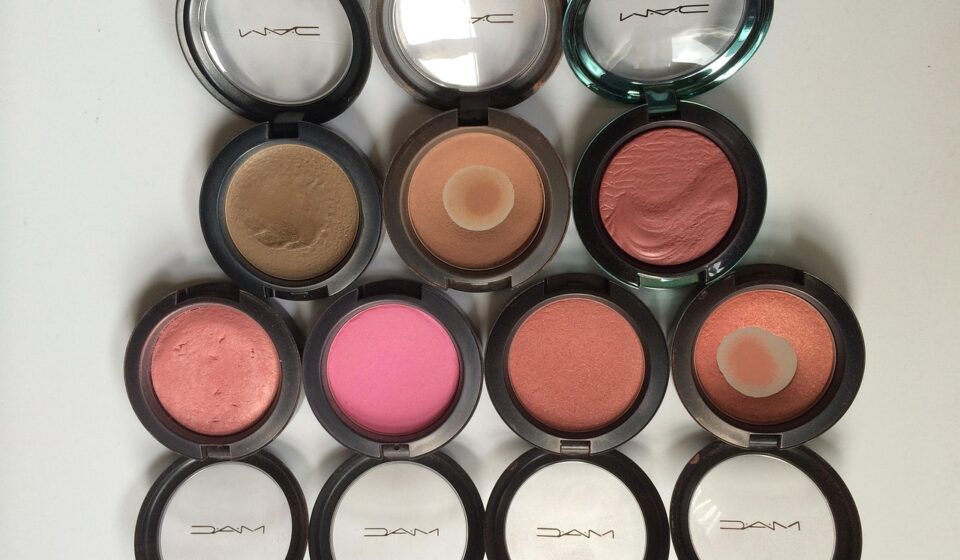
Rare Beauty blush is better read as a group of related formulas, not as one product with one ingredient profile. Soft Pinch Liquid Blush relies on slip agents, pigments, film formers, and small amounts of botanical extracts to deliver concentrated color that blends quickly. Soft Pinch Luminous Powder Blush is built around pearlescent mineral-style powders and silicone binders for radiance. Soft Pinch Matte Bouncy Blush sits between cream and powder, using emollients, powders, and oils to create a cushiony matte finish. If you are shopping by ingredients, the first decision is not only which shade looks best. It is which base texture fits your skin type, finish preference, and sensitivity profile. For more ingredient-led makeup explainers, visit our Beauty Ingredients section.
Why the ingredient list matters for Rare Beauty blush
Search interest around rare beauty blush often starts with shade, finish, and wear time. The ingredient list explains why the formulas behave so differently once they are on skin. A liquid blush can look weightless but intense because pigment is carried through volatile emollients and film-forming ingredients. A luminous powder can look smooth rather than chalky because it combines pearls, binders, and soft-focus powders. A bouncy cream can feel flexible because oils and silicone powders are built into the same base.
Ingredient lists also help separate formula structure from marketing language. Rare Beauty’s own product pages describe Soft Pinch Liquid Blush as vegan, cruelty free, paraben free, dermatologist tested, and suitable for sensitive skin. The Luminous Powder Blush page also identifies that formula as noncomedogenic and lists six shades including Cheer, Hope, Happy, Joy, Truth, and Love. Those claims are useful, but they do not replace checking the exact ingredient deck for the shade you plan to buy, especially if you react to certain pigments, waxes, oils, preservatives, or plant extracts.
Under U.S. cosmetic labeling rules described by the FDA, ingredients generally appear in descending order of predominance, while ingredients present at one percent or less and color additives may be listed with more flexibility after the main ingredients. In practice, the first several ingredients tell you the most about texture and performance. The pigment section helps explain shade differences.
How the three main Soft Pinch formulas compare
As of September 2026, Rare Beauty’s current product pages show three major cheek formats under the Soft Pinch concept: liquid, luminous powder, and matte bouncy. They share a high-color makeup goal, but they are not ingredient duplicates.
| Formula | Ingredient pattern | What it suggests on skin |
|---|---|---|
| Soft Pinch Liquid Blush | Many shades show silicone or hydrocarbon slip ingredients, silica or mica, emollients, film formers, botanical extracts, and lake or oxide pigments. | Concentrated color, quick spreading, flexible dry-down, and a finish that depends on whether the shade is matte or dewy. |
| Soft Pinch Luminous Powder Blush | Shade lists begin with synthetic fluorphlogopite, dimethicone, silicone crosspolymer, emollient binders, tapioca starch, boron nitride, silica, and colorants. | Radiant payoff, silky pickup, pearl reflect, and a drier powder feel than the liquid or bouncy formats. |
| Soft Pinch Matte Bouncy Blush | Shade lists begin with synthetic fluorphlogopite, hexyl laurate, silica, silicone crosspolymer, polymethylsilsesquioxane, dimethicone, and emollients. | A cream-to-powder style feel, soft-focus matte finish, and more cushion than a traditional pressed powder. |
The practical takeaway is to choose the format before choosing the shade. If you want a seamless, stain-like effect and do not mind working quickly, the liquid format is the logical starting point. If you want glow and brush application, the powder is the most direct option. If you want a soft matte flush with a creamier touch than powder, the bouncy formula sits in the middle.
Key ingredient groups behind the texture
Slip and spread ingredients
The liquid blush shade lists reviewed include ingredients such as isododecane, dimethicone, methyl trimethicone, hydrogenated polyisobutene, hydrogenated poly(C6-14 olefin), octyldodecanol, and diisostearyl malate. These are not decorative additions. They are the product’s movement system, helping pigment spread thinly, reducing drag, and allowing a small amount of blush to cover a larger area.
Isododecane and methyl trimethicone are common in long-wear complexion products because they can create a lightweight, fast-setting feel. Hydrogenated polyisobutene and octyldodecanol add more cushion and emollience. When shoppers describe a rare beauty blush shade as very pigmented, part of that impression comes from how efficiently these bases disperse color.
Powders and soft-focus minerals
Silica, tapioca starch, boron nitride, polymethylsilsesquioxane, and dimethicone/vinyl dimethicone crosspolymer appear across the Soft Pinch family in different ways. These ingredients can absorb oil, soften shine, improve slip, and blur visible texture. In the powder blush, synthetic fluorphlogopite appears at the top of every full ingredient list shown on the official product page, which helps explain the luminous finish. Synthetic fluorphlogopite is a lab-made mica-like material often used to create pearl and sheen.
The bouncy blush also begins with synthetic fluorphlogopite, but it adds hexyl laurate and other emollients early in the list. That helps explain why it can feel creamier than powder even though the finish is described as matte. The formula is not simply a pressed powder with oil added. It is a hybrid texture built around both glide and powdery set.
Film formers and structure builders
Liquid blush formulas need structure because cheek color has to sit over moisturizer, sunscreen, foundation, and facial movement. Ingredients such as trimethylsiloxysilicate, hydrogenated styrene/isoprene copolymer, microcrystalline wax, and silicone crosspolymers help a formula form a flexible layer. This does not mean the product will be transfer-proof in every real-life situation, but it explains why a small dot can set into a more durable stain-like layer than a loose cream pigment would.
Film formers can also make application less forgiving. If too much liquid blush is placed directly onto a dry or heavily powdered cheek, the pigment may grab before blending is complete. Applying one small dot, sheering it on the back of the hand, or using a lightly hydrated base can give more control.
What the botanicals and oils really add
Rare Beauty highlights a botanical blend of lotus, gardenia, and white water lily for Soft Pinch Liquid Blush. In the full ingredient lists reviewed, related plant ingredients appear as Gardenia Florida Fruit Extract, Nelumbo Nucifera Flower Extract, and Nymphaea Odorata Root Extract. The same lists also include sunflower seed oil and tocopherol in many shades. These ingredients support the skin-feel positioning, but they are not the main drivers of the formula because they sit well after the core solvents, silicones, powders, and pigments.
The Matte Bouncy Blush product page highlights cacao seed plus pomegranate, papaya seed, and rose hip oils. The full ingredient example for Hope lists Carica Papaya Seed Oil, Punica Granatum Seed Oil, Rosa Rubiginosa Seed Oil, and Theobroma Cacao Seed Extract after the main texture system. That placement suggests the formula is still primarily a color cosmetic, not a skincare treatment.
This distinction matters for expectations. Botanical extracts and oils can make a makeup formula feel more cared-for, but a blush should not be expected to replace moisturizer, barrier repair, sunscreen, or targeted skincare. If cheeks are dry or flaky, skin preparation will usually change the finish more than the plant extract section of the ingredient list. See also: Buying Guides.
Pigments, pearls, and why shades have different ingredient decks
Color is where shade-specific variation becomes obvious. Rare Beauty blush shades use combinations of color additives such as iron oxides, titanium dioxide, red lakes, yellow lakes, blue lake, ultramarines, and other CI-listed pigments depending on the shade. Iron oxides tend to support beige, brown, terracotta, mauve, and deeper tones. Titanium dioxide can add opacity and brightness. Red and yellow lakes shift the blush toward pink, coral, orange, or berry.
The Luminous Powder Blush is particularly pearl-forward. Synthetic fluorphlogopite and, in some shades, mica help create radiance, while tin oxide can appear in pearl systems to support reflect. In use, that means a shade may look softer or brighter on the face than it appears in the pan because the base catches light.
Do not assume two shades have identical ingredient decks just because they belong to the same Rare Beauty blush line. The base may be similar, but color additives can change. In the liquid blush range, some shade lists also show different early base ingredients, suggesting finish and shade families may not all use the exact same structure. For anyone with known colorant sensitivities, the box or retailer ingredient list for the exact shade is the final reference.
Skin type considerations before buying
For dry skin, the liquid and bouncy formulas may feel more comfortable than a traditional powder because they include emollients and flexible binders. Even so, liquid blush can still cling if applied over dry patches, so moisturizer and a smooth base matter. For oily skin, powders, silica, tapioca starch, and film formers can be helpful, but a high-pigment blush still needs light application to avoid patchiness.
For sensitive skin, the brand’s dermatologist-tested and sensitive-skin positioning is reassuring, but it is not a guarantee. Sensitive skin can react to many categories, including preservatives, botanical extracts, certain pigments, waxes, and friction from over-blending. If plant extracts already bother your skin, the liquid blush botanical blend is worth noting even though it is not at the top of the list.
For acne-prone skin, focus on texture and removal as much as the ingredient list. Heavy layering, incomplete cleansing, and mixing cream blush over rich sunscreen can all affect how makeup wears. The Luminous Powder Blush page identifies that formula as noncomedogenic, but that does not automatically make every Soft Pinch format the same. Check the claim on the product you are buying.
How to read a Rare Beauty blush label before checkout
- Start with the first five ingredients. They usually explain the base feel better than the marketing copy.
- Check whether your shade is matte, dewy, luminous, or bouncy. Finish changes the ingredient architecture.
- Look for personal triggers. Common watch items include botanical extracts, certain oils, waxes, phenoxyethanol, caprylyl glycol, and specific colorants.
- Remember that pigment intensity changes application. A highly concentrated blush can be easier to tolerate when used sparingly because less product sits on the skin.
- Recheck the label when repurchasing. Beauty formulas and shade decks can be updated, and regional packaging may not always look identical.
Frequently asked questions
Is Rare Beauty blush water based?
Not in the simple sense. The liquid blush ingredient decks reviewed are largely built around silicones, hydrocarbons, emollients, powders, film formers, pigments, and smaller amounts of botanical ingredients. The bouncy formula includes water lower in some shade lists, but its feel comes mainly from emollients and powders. The luminous powder is an anhydrous powder format.
Which Rare Beauty blush formula is best for dry skin?
Dry skin may prefer the liquid or bouncy formulas because they contain more emollient slip than the powder. That said, preparation matters. A smooth moisturizer layer and a restrained product amount will usually improve wear more than choosing a shade based only on marketing claims.
Do all Rare Beauty blush shades have the same ingredients?
No. Shades within a line may share a similar base, but pigments and some supporting ingredients differ. This is normal for color cosmetics because each shade needs a different balance of red, yellow, brown, white, blue, pearl, or opacity.
Is Rare Beauty blush suitable for sensitive skin?
Rare Beauty describes several Soft Pinch products as dermatologist tested and suitable for sensitive skin. Still, sensitive skin is individual. If you have a history of cheek irritation, patch test, apply sparingly, and check the exact shade ingredient list before use.
Why is Rare Beauty blush so pigmented?
The high color payoff comes from a combination of concentrated pigments, efficient spreading agents, and formula structures that help a small amount distribute evenly. This is why many users get better control by starting with one small dot or loading the brush from the back of the hand.