Face massage tips for a gentler, less puffy routine
a[data-rs-seo-link]{text-decoration:underline!important;color:#1a56db!important;cursor:pointer!important;}a[data-rs-seo-link]{text-decoration:underline!important;color:#1a56db!important;cursor:pointer!important;}
What face massage can and cannot do
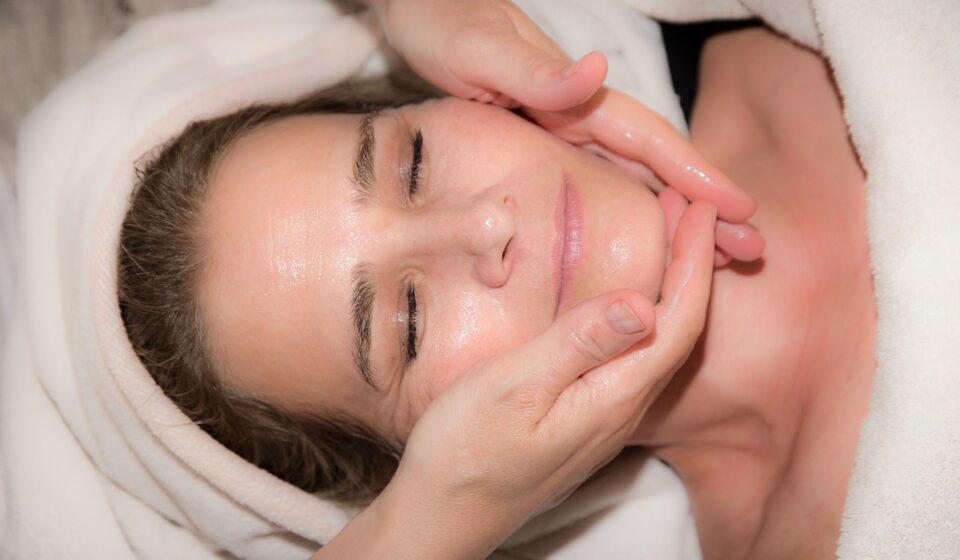
The most useful face massage tips start with realistic expectations. Gentle massage may help the face look temporarily less puffy, support a short-term feeling of circulation, and make a skin care routine feel more relaxing. It should not be treated as a substitute for sunscreen, moisturizer, prescription acne care, cosmetic procedures, or medical treatment for swelling.
The safest approach is straightforward: cleanse first, use enough slip, keep pressure light, avoid irritated skin, and stop if massage causes stinging, redness that lingers, or new breakouts. For more practical skin care guidance, browse our Usage Tips section. This guide focuses on evidence-aware home massage that can fit into a normal beauty routine without overstating what massage can achieve.
Start with clean skin and enough slip
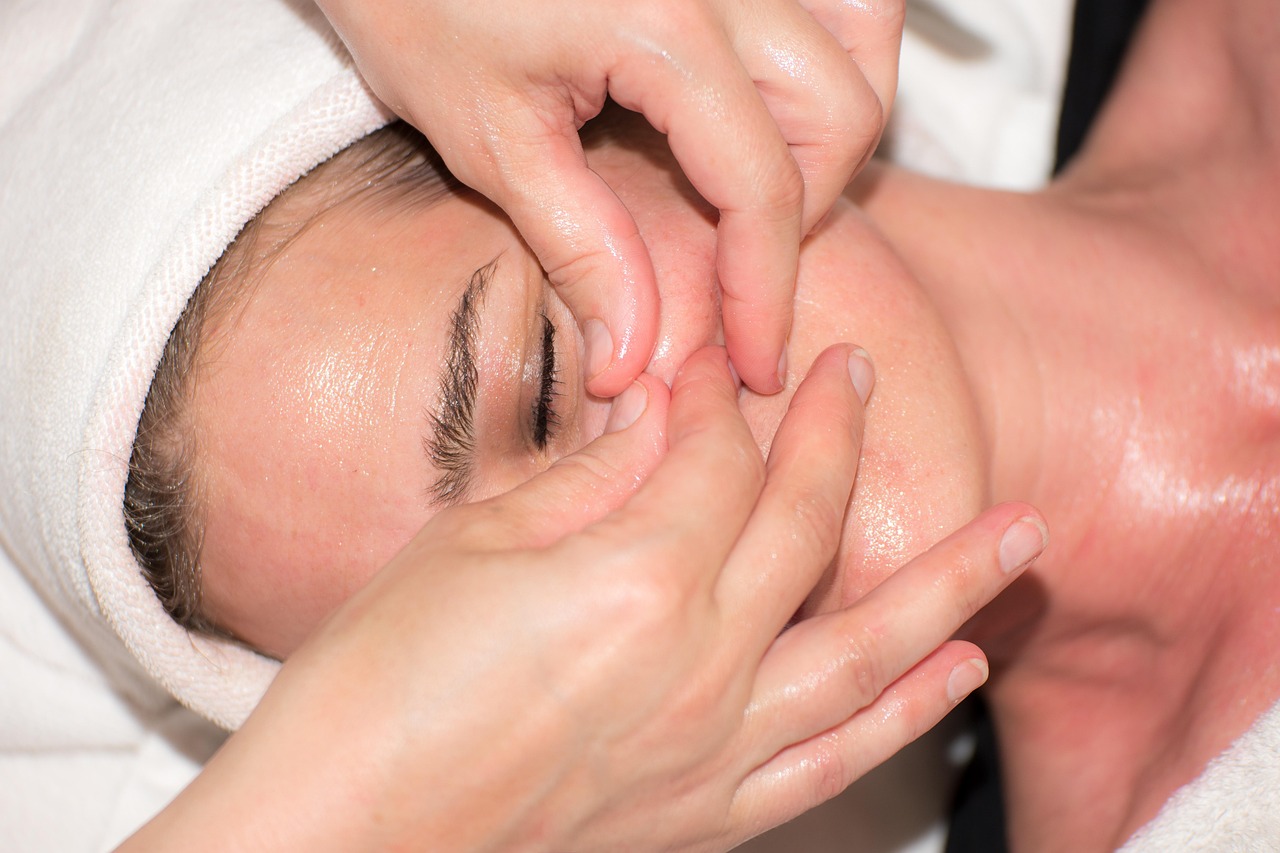
Massage creates friction, so product choice matters as much as hand movement. Dragging fingers, a roller, or a gua sha tool over dry skin can irritate the skin barrier, especially around the eyes, mouth, and nose. Start by washing your hands and cleansing the face with a gentle cleanser. If your skin is already dry or reactive, avoid foaming cleansers that leave the face feeling tight.
Apply a thin, even layer of a product that gives glide. Practical options include a plain moisturizer, a non-comedogenic facial oil if your skin tolerates oils, or a hydrating serum layered under moisturizer. You do not need a heavy coating. The goal is smooth movement without pulling. If the product absorbs before you finish, add a little more rather than pressing harder.
- For oily or acne-prone skin: choose lightweight, non-comedogenic products and keep the session short.
- For dry skin: use a creamier moisturizer and massage while the skin still feels slightly damp.
- For sensitive skin: avoid fragrance-heavy oils, essential oils, and cooling products that may sting.
- For the eye area: use the lightest touch and avoid rubbing directly along the lash line.
The American Academy of Dermatology advises gentle skin care habits, moisturizer use, and caution with products that sting or burn. That guidance is especially relevant before massage, because irritation often becomes more obvious once the skin is rubbed.
Use light pressure and direction with a purpose
More pressure does not mean better results. Facial skin is thinner than skin on many parts of the body, and aggressive scraping or kneading can leave marks in delicate areas. A useful rule is to use less pressure than you think you need. The skin may move slightly under your fingers, but it should not feel pinched, scraped, or hot.
For morning puffiness
Use feather-light strokes from the center of the face outward and slightly downward toward the sides of the neck. This is often described as lymphatic-inspired massage. Cleveland Clinic describes lymphatic drainage massage as a gentle technique used clinically for certain swelling conditions, while also noting that cosmetic facial lymphatic massage may help reduce temporary puffiness for some people. At home, the key word is gentle.
For jaw tension
Place two fingers along the jawline and move slowly from the chin toward the ear. Then use small circles over the masseter area, the muscle you feel when you clench your teeth. Keep the movement comfortable. If jaw pain is persistent, one-sided, or linked with headaches or dental symptoms, massage should not replace professional evaluation.
For cheek and brow relaxation
Glide from the sides of the nose across the cheeks toward the ears. For the brow, use soft upward movements from the brow bone toward the hairline, staying away from the eyelids. These movements are best viewed as relaxation and product-spreading steps, not as a way to permanently lift the face.
Choose tools carefully instead of collecting every device
Hands are often enough. They are warm, easy to control, and let you feel when the skin is being pulled. Tools can be useful, but they are not automatically safer or more effective. The practical difference is pressure control. A smooth roller usually applies broad, even pressure. A gua sha stone can apply more focused pressure, so technique matters more.
| Method | Best use | Common mistake | Safer approach |
|---|---|---|---|
| Fingers | Daily gentle massage, moisturizer application, jaw relaxation | Dragging dry skin or pressing too hard | Use slip and slow movements |
| Facial roller | Cooling feel, quick morning depuffing, low-effort massage | Rolling back and forth aggressively | Roll outward with light, even pressure |
| Gua sha | More structured cheek and jaw massage | Scraping at a steep angle or leaving red marks | Keep the tool nearly flat and use gentle strokes |
The research on facial massage tools is promising but limited. A PubMed-indexed 2018 study in Complementary Therapies in Medicine reported that five minutes of facial roller massage increased skin blood flow in the massaged cheek for at least 10 minutes in a small group of participants. The same paper also assessed daily roller use over five weeks in another small group. These findings support a short-term circulation effect, but they do not prove dramatic anti-aging changes.
A 2025 randomized controlled trial in the Journal of Cosmetic Dermatology compared facial roller and gua sha massage in 34 women aged 20 to 50 over eight weeks. Participants used their assigned technique for 10 minutes, five times per week. The study reported improvements in measured facial contour distances in both groups, with different measured changes in muscle tone and skin elasticity. Because the sample was small and the setting was controlled, the best takeaway is not that everyone will see the same result. It is that consistency, gentle pressure, and technique matter more than aggressive tool use.
A simple five-minute routine to try
If you are new to facial massage, start with five minutes rather than a long session. Short routines are easier to repeat and reduce the risk of overworking the skin. Try this routine two to four times per week at first. If your skin stays calm, adjust frequency based on your needs.
- Cleanse and apply slip. Use a gentle cleanser, pat the face slightly damp, and apply moisturizer, serum, or facial oil.
- Open with the neck. Use light downward strokes along the sides of the neck for 20 to 30 seconds. Avoid pressing on the front of the throat.
- Move across the cheeks. Glide from the nose toward the ears, repeating each side five to eight times.
- Soften the jaw. Use small circles along the jawline and over the jaw muscle for about one minute.
- Lift lightly through the brow. Sweep from the brows toward the hairline, using very gentle pressure.
- Finish with stillness. Press palms lightly over the cheeks for a few breaths instead of adding more product or pressure.
After the massage, leave the skin alone for a few minutes. Slight flushing that feels comfortable can be normal. If the skin burns, itches, or becomes patchy, rinse off the product and pause massage until the skin settles. See also: Beauty Ingredients.
When to avoid face massage
Face massage is not appropriate for every skin day. Skip it when the skin barrier is already stressed. That includes sunburn, windburn, open cuts, active cold sores, infected blemishes, fresh waxing irritation, or a strong reaction to a new product. The American Academy of Dermatology also advises caution with exfoliation and other potentially irritating steps when the skin is sensitive, acne-prone, or already using products such as retinol, retinoids, or benzoyl peroxide.
Be careful if you have active inflammatory acne. Gentle hands may be fine around the affected area, but rubbing directly over painful cystic spots can worsen discomfort and irritation. If you have rosacea, eczema, dermatitis, or very reactive skin, ask a dermatologist before making massage a frequent habit. Redness-prone skin can respond poorly to heat, pressure, and stimulating products.
Medical conditions also matter. Cleveland Clinic notes that lymphatic drainage massage may not be suitable for people with issues such as blood clots, cellulitis, deep vein thrombosis, fever, certain heart conditions, infection, kidney failure, or stroke history unless a healthcare provider approves it. For everyday beauty massage, the same conservative principle applies: when swelling is persistent, painful, sudden, one-sided, or linked with illness, seek medical advice instead of trying to massage it away.
How often should you massage your face?
Frequency depends on skin tolerance. Some people can do a light one-minute massage daily while applying moisturizer. Others do better with two or three short sessions per week. If you use exfoliating acids, retinoids, acne treatments, or strong vitamin C products, it is sensible to massage on calmer routine days rather than adding more stimulation on top of active ingredients.
| Skin situation | Suggested frequency | What to watch for |
|---|---|---|
| Normal or balanced skin | Three to five short sessions per week | Lingering redness or clogged pores |
| Dry skin | Two to four sessions per week with rich slip | Tightness, flaking, or stinging |
| Oily or acne-prone skin | One to three sessions per week | Breakouts after oils or heavy creams |
| Sensitive or rosacea-prone skin | Occasional, very light sessions only | Heat, flushing, burning, or swelling |
Judge results modestly. After one session, the most realistic change is temporary freshness or reduced morning puffiness. After several weeks, you may notice that your routine feels more consistent and your moisturizer spreads more evenly. Claims that massage alone can erase wrinkles, permanently tighten skin, or replace sun protection go beyond what reliable evidence supports. For visible aging concerns, the most consistently supported basics remain daily broad-spectrum sunscreen, moisturizer, and appropriate active ingredients used as directed.
Frequently asked questions
Can face massage slim the face?
Face massage may make the face look temporarily less puffy if fluid retention is part of the issue. It does not remove facial fat or permanently reshape bone structure. If a tool or technique claims permanent slimming without other factors, treat that claim carefully.
Should I massage before or after skin care products?
Massage after cleansing and after applying a product that provides slip. For many people, that means massaging with moisturizer or a simple facial oil. Apply sunscreen after morning massage, not before, so you do not rub away an even sunscreen layer.
Can I massage after using retinol?
It is better to avoid vigorous massage on the same night as retinol or prescription retinoids, especially if you are new to them. Retinoids can make skin more sensitive, and rubbing may increase irritation. If your skin is fully tolerant, keep any massage very gentle and use moisturizer.
Is a cold roller better than a room-temperature roller?
A cool roller may feel soothing and can temporarily reduce the look of puffiness. It is not necessary for results. Avoid extreme cold, and do not use a chilled tool on skin that is numb, irritated, or affected by broken capillaries without professional guidance.
What is the biggest mistake in face massage?
The biggest mistake is using too much pressure. Effective home massage should feel comfortable, not painful. If the skin pulls, burns, or stays red, reduce pressure, add more slip, shorten the routine, or stop altogether.