Chanel cosmetics and the shift toward skin-first luxury makeup
a[data-rs-seo-link]{text-decoration:underline!important;color:#1a56db!important;cursor:pointer!important;}a[data-rs-seo-link]{text-decoration:underline!important;color:#1a56db!important;cursor:pointer!important;}
Why Chanel cosmetics matter in prestige beauty
Chanel cosmetics sit where heritage luxury, everyday makeup and beauty industry strategy overlap. The brand’s current makeup language is not centred on heavy transformation. It is built around refined complexion, comfortable colour and products that reflect skincare habits in texture, finish and routine. That matters because prestige beauty has been moving toward hybrid formats, including tinted balms, skin-like foundations, complexion tints and refillable lip products. For readers comparing luxury makeup, Chanel is useful not only as a shopping reference but also as a case study in how a fashion house turns beauty into a long-term brand system. For more category analysis, visit our Cosmetics section.
The commercial backdrop explains why the brand receives close attention. Brand Finance’s cosmetics ranking published on May 1, 2025 valued the world’s 50 most valuable cosmetics brands at a combined USD 160 billion and placed Chanel at the top of its cosmetics brand value ranking. Chanel’s own financial results for the year ended December 31, 2025 reported USD 19.3 billion in group revenue, up 2% from 2024, while noting that Fragrance & Beauty performance was driven particularly by fragrance and skincare. Those figures do not mean every Chanel makeup launch will become a market hit. They do show why Chanel beauty is watched closely by retailers, competitors and consumers.
Industry data also helps explain the direction of the range. Circana reported on February 10, 2026 that U.S. prestige makeup remained the largest prestige beauty category in 2025 and grew 4%, with lip balms, oils and other lip treatments among the stronger areas. That context fits the visible rise of colour-care hybrids across luxury counters, including Chanel’s emphasis on luminous complexion, balmy lip colour and polished seasonal edits.
| Signal | What it suggests for Chanel cosmetics |
|---|---|
| Prestige makeup growth | Luxury consumers are still buying colour cosmetics, but they increasingly expect comfort, care benefits and flexible finishes. |
| Skin-first formats | Foundations, tints and balms are judged on wear, glow and how they sit on skin, not only on coverage. |
| Refillable luxury packaging | Refills can support sustainability messaging while reinforcing the idea of a lasting luxury object. |
| Seasonal capsules | Limited shades and edited collections keep the brand fresh without requiring a full range reset. |
The product architecture behind Chanel makeup
Chanel cosmetics are not built like a fast-turnover trend brand. The range is organised around recognisable franchises, including Les Beiges for healthy-glow complexion, Rouge Coco and Rouge Allure for lips, Les 4 Ombres for eyes, Joues Contraste for cheeks and Le Vernis for nails. The structure is deliberate. Shoppers are encouraged to understand product families rather than chase isolated launches.
Complexion products focus on glow
Les Beiges is central to the brand’s complexion identity. Chanel’s U.S. product pages describe Les Beiges Healthy Glow Foundation as a light-to-medium coverage foundation with a luminous finish, a weightless texture and a formula made of more than 40% water. The same official product information lists 42 shades on the U.S. site and presents the formula as long-wearing for up to 12 hours, based on Chanel’s own testing. These claims should be read as brand-supported performance information rather than independent clinical proof. They still clarify how Chanel positions the product: polished, hydrated-looking skin rather than high-coverage camouflage.
The broader Les Beiges line also includes water-fresh complexion formats, bronzing cream, highlighting fluid and seasonal healthy-glow sets. This reflects a wider beauty shift in which base makeup is sold as a complexion wardrobe. A shopper may use a sheer tint on casual days, foundation for longer wear, bronzer for warmth and balm or powder for dimension.
Lip products bridge colour and care
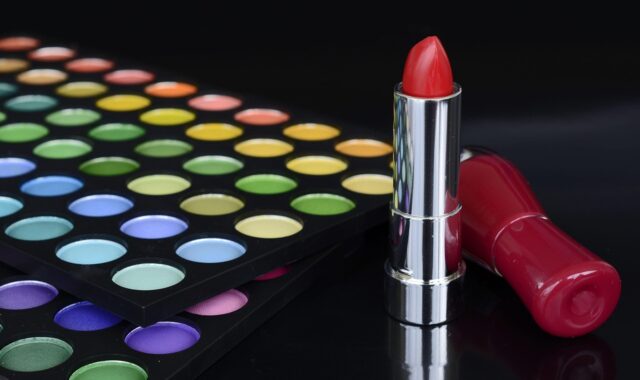
Lips are one of the clearest examples of Chanel’s skin-first makeup direction. Official Chanel pages currently group lip colour by finish and format, including matte, satin, shiny, cream, balm, fluid, stick, refill and gift sets. Rouge Coco, Rouge Allure, Rouge Coco Flash, Rouge Coco Baume and 31 Le Rouge each serve a different need: classic satin colour, luminous intensity, shine, tinted care or collectible luxury.
The distinction matters because “lipstick” no longer describes a single consumer expectation. Some shoppers want a traditional bullet with precise colour. Others want a balm that can be applied without a mirror. Some want a refillable case; others prefer a lower-commitment gloss or set. Chanel’s portfolio lets the brand preserve its classic lipstick image while participating in the balms-and-treatments trend that has supported prestige makeup growth.
Eyes, cheeks and nails carry seasonal storytelling
Eyeshadow quads, blushes, highlighters and nail colour often act as Chanel’s seasonal storytelling tools. The brand can introduce a limited powder, a new Les 4 Ombres colour story or a nail shade that fits a holiday or summer collection without asking customers to relearn the entire makeup line. This is a luxury advantage: familiar packaging and product names provide continuity, while shades and finishes provide novelty.
What skin-first luxury means in practice
“Skin-first” does not mean makeup becomes skincare, or that every product delivers treatment-level results. In Chanel cosmetics, it usually means four practical things: lighter-looking coverage, comfort, glow and formulas that borrow skincare language. Les Beiges speaks to hydration and radiance. Rouge Coco Baume is positioned as a hydrating beautifying tinted lip balm with buildable colour. N°1 de Chanel, while more closely associated with skincare, has also influenced the brand’s beauty vocabulary through ingredients, red camellia storytelling and eco-designed presentation.
For shoppers, the key is to separate finish from function. A luminous foundation can make skin look fresher, but it is not a moisturiser replacement. A tinted balm can feel more comfortable than a matte lipstick, but it may not deliver the same longevity or precision. A highlighter can create a healthy-looking effect, but it will not change skin texture. Chanel’s strength is aesthetic coherence; the buyer’s task is to match that aesthetic to real skin needs.
- Choose Les Beiges if the goal is natural radiance, flexible coverage and a polished daytime base.
- Choose Rouge Coco Baume or Rouge Coco Flash if comfort and quick application matter more than a sharply defined lip.
- Choose Rouge Allure or 31 Le Rouge if you want a more formal lipstick gesture and stronger colour identity.
- Choose seasonal colour only if the shade fits your existing routine, not simply because it is limited edition.
Sustainability and refillability are becoming part of the luxury signal
Luxury beauty used to rely mainly on weighty packaging, visual consistency and giftable presentation. Those elements still matter, but sustainability claims and refill systems are now part of how prestige brands communicate value. Chanel’s Climate Transition Plan, published in 2025, identifies materials and packaging as a significant scope 3 focus area and says the company aims to increase recyclability and refillable options for Fragrance & Beauty products. The same plan states that Chanel had 80 refill options in makeup, 20 in fragrance and 18 in skincare.
This does not mean every Chanel cosmetic is refillable. Chanel’s own product Q&A for Rouge Coco Baume Satin, for example, stated in June 2026 that the balm was not currently refillable. That product-level distinction is important. “Refillable” is not a brand-wide guarantee; it is a feature that must be checked by item, shade and market.
Chanel is also connected to broader traceability efforts. TRASCE, the Traceability Alliance for Sustainable Cosmetics, was initiated by Chanel and brings together beauty brands and suppliers to improve traceability across cosmetic supply chains. For consumers, such initiatives are not the same as a simple environmental score on a lipstick. They are infrastructure moves: less visible than packaging, but relevant to how the industry tries to understand raw materials, components and sourcing risks. See also: Beauty Ingredients.
How to choose Chanel cosmetics without overbuying
The biggest mistake with luxury makeup is treating the brand name as a shortcut for personal suitability. Chanel cosmetics can be beautifully edited, but the best purchase is still the one that fits your skin type, climate, routine and colour preferences. A practical approach is to start with the use case rather than the product’s prestige.
| Use case | Chanel category to consider | What to check first |
|---|---|---|
| Everyday polished skin | Les Beiges foundation, tint or complexion touch | Undertone, coverage level, fragrance sensitivity and how the finish wears after several hours. |
| Quick colour with comfort | Rouge Coco Baume, Rouge Coco Flash or gloss | Opacity, transfer, shine level and whether the shade works without liner. |
| Classic luxury lipstick | Rouge Allure, Rouge Coco or 31 Le Rouge | Finish, refill availability, case weight and whether the formula suits dry lips. |
| Soft sculpting | Bronzer, blush or illuminating powder | Depth, shimmer visibility and whether the tone looks natural in daylight. |
| Seasonal update | Limited eyes, nails or cheek shades | Whether the colour fills a real gap or duplicates products already owned. |
If possible, test complexion products in natural light and wait before buying. A foundation can look smooth at a counter and still oxidise, cling to dry areas or become too luminous later in the day. For lip products, consider whether you value longevity or feel. Chanel’s balmier formulas may be easier to wear, while stronger lipsticks can deliver more visible polish but require more attention.
Limitations to keep in mind
There are three limits readers should consider when evaluating Chanel cosmetics. First, product availability varies by country and date. A shade, refill or set visible on one official Chanel site may not be available in another market. Second, brand testing and brand claims should be read carefully. When Chanel says a foundation wears up to 12 hours, the detail comes from Chanel’s own product information and testing conditions, not from a universal guarantee for every skin type. Third, luxury pricing includes packaging, brand equity and retail experience as well as formula.
Fragrance is another practical consideration. Many luxury makeup products include fragrance or sensorial ingredients that contribute to the brand experience. Some users enjoy that; others prefer fragrance-free makeup, especially around sensitive skin or eyes. Ingredient lists can change, so the most reliable habit is to check the current product box or official product page before purchasing.
In editorial terms, the most useful way to understand Chanel cosmetics is not to ask whether the brand is universally “worth it.” The better question is whether a specific product delivers the finish, comfort, shade and packaging value that a particular buyer expects. Chanel remains influential because it makes those expectations feel coherent across product families, campaigns and the boutique experience.
Frequently asked questions
Are Chanel cosmetics mainly makeup or skincare?
Chanel’s Fragrance & Beauty business covers fragrance, makeup and skincare. Within makeup, many products use skincare-adjacent language such as hydration, glow and comfort, but a cosmetic product should not be treated as a replacement for a dedicated skincare routine.
Which Chanel makeup line is best for a natural look?
Les Beiges is the clearest starting point for a natural, healthy-glow look. It includes complexion products and supporting face items designed around radiance, light-to-medium coverage and a softer finish.
Are Chanel lipsticks refillable?
Some Chanel lip products are available in refillable formats, including selected Rouge Allure L’Extrait and 31 Le Rouge items, but not every lipstick or balm is refillable. Check the individual product listing before buying.
Why are Chanel cosmetics expensive?
The price reflects more than formula alone. It also includes luxury packaging, brand heritage, distribution, product development, retail service and the broader Chanel beauty experience. That does not automatically make every product right for every buyer, so shade and formula testing still matter.
What is the main trend shaping Chanel cosmetics now?
The strongest trend is skin-first luxury makeup: products that favour glow, comfort, hybrid colour-care textures and polished ease over heavy coverage. Refillable packaging and supply-chain traceability are also becoming more important to the way prestige beauty communicates value.