Perfume bottle packaging design that balances shelf impact, refillability and compliance
a[data-rs-seo-link]{text-decoration:underline!important;color:#1a56db!important;cursor:pointer!important;}a[data-rs-seo-link]{text-decoration:underline!important;color:#1a56db!important;cursor:pointer!important;}
What perfume bottle packaging design needs to do now
Perfume bottle packaging design now has to do more than make a fragrance look desirable on a shelf. It has to communicate the scent story quickly, protect a fragile glass container, work in store and online, leave room for required cosmetic information, and support credible sustainability claims. For fragrance brands, the main design question is no longer just which shape looks premium. It is how the bottle, pump, cap, carton, insert, label and refill strategy work together as one packaging system. This guide reviews the choices that affect appearance, cost, compliance, recyclability and customer experience, with a practical focus for beauty packaging teams and readers following packaging design trends.
Start with the packaging system, not just the bottle
Perfume packaging is often discussed as a bottle design project, but the bottle is only one part of the system. A commercial fragrance pack usually includes primary packaging that touches or dispenses the product, secondary packaging such as the carton, and sometimes protective or decorative shipping components. When these parts are developed separately, the result may look strong in a presentation but become difficult to fill, label, ship, refill or recycle.
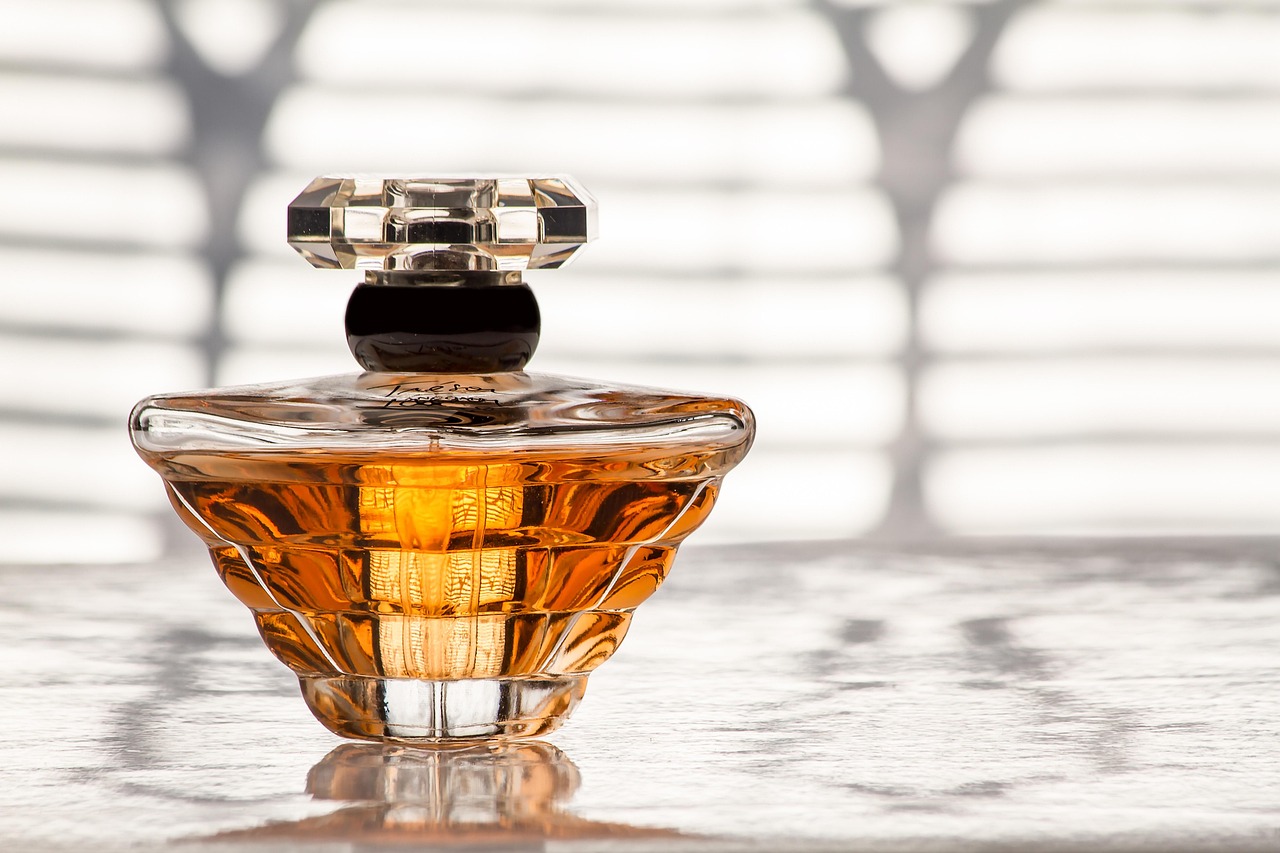
A useful early step is to define the packaging role before sketching shapes. Is the bottle intended as a decorative object for a luxury dresser, a compact handbag format, a discovery-size trial product or a refillable hero pack? Each answer changes the design brief. A sculptural glass bottle may work well in prestige retail but create avoidable weight and breakage concerns for direct-to-consumer shipping. A minimalist cylindrical bottle may be easier to fill and label, but it will need distinctive cues elsewhere, such as glass tint, cap material, embossing or carton texture.
The most resilient fragrance packs usually answer four questions early:
- How will the fragrance identity be recognised from three to six feet away?
- Where will legally required information sit without weakening the design?
- Can the bottle, pump and cap be assembled consistently at production scale?
- What happens to every component after use, including the carton, label, cap and refill parts?
How the bottle communicates the fragrance before trial
Because perfume is difficult to judge before smelling it, packaging carries unusual storytelling weight. The bottle gives shoppers cues about concentration, mood, price position and occasion. Heavy clear glass can suggest classic luxury. Coloured glass may signal intensity, ingredient inspiration or collection hierarchy. Rounded silhouettes often feel soft or sensual, while sharp shoulders and geometric caps can feel architectural, modern or unisex.
Shape and proportion
Shape should be distinctive enough to be remembered but stable enough to stand, pack and ship. Tall, narrow bottles can create elegance, but they may need a wider base or stronger carton support. Very wide bottles offer visual presence but can be inefficient on shelf and in secondary packaging. Asymmetrical forms can be memorable, yet they may complicate decoration, label placement and filling-line orientation. For this reason, many brands use a relatively simple bottle profile and place stronger identity in the cap, glass colour, shoulder curve or front-panel embossing.
Glass, colour and finish
Glass remains central to perfume packaging because it offers clarity, chemical resistance and a premium hand feel. Still, glass decisions are not only aesthetic. Thick bases, complex moulds, sprayed finishes and metallised coatings can increase cost and may affect recyclability or sorting depending on the market. A design can still feel premium with controlled lightweighting, high-quality mould definition, subtle embossing, tinted glass, paper texture and restrained decoration. The better approach is not to remove luxury cues, but to choose cues that also support production and end-of-life goals.
Caps and atomizers
The cap and atomizer define much of the daily user experience. A cap that clicks securely feels satisfying and protects the spray actuator. A loose, overly heavy or poorly aligned cap can make even an expensive fragrance feel careless. Designers should confirm neck finish, pump crimp or screw specification, dip tube visibility, actuator comfort and cap retention before committing to artwork. If the bottle is intended to be refillable, the pump and neck system become central design features rather than hidden technical details.
Design choices that affect cost, breakage and production
Perfume packaging often fails commercially when a beautiful concept cannot be produced reliably. Common risks include excessive component variety, decoration that cannot hold tolerance, insufficient label area, unstable bottles, difficult cap alignment and fragile cartons. These issues should be addressed before final renderings are approved.
Glass weight is one of the clearest trade-offs. A heavy base can communicate value, but it also raises material use, freight weight and breakage exposure. Lightweighting can reduce impact, but if it makes the pack feel cheap or unstable, the brand may lose the premium signal it intended to create. The practical target is balanced reduction: remove unnecessary mass where customers do not perceive quality, while preserving the tactile and visual cues that make the fragrance feel intentional.
Decoration should also be assessed as a production decision. Labels, direct screen printing, hot stamping, frosting, lacquering and metallisation all have different tolerances and end-of-life implications. A curved or textured surface may look striking in a rendering but create registration problems for fine type. If the ingredient list or address information must be printed on the carton rather than the bottle, the carton has to be treated as a compliance surface, not just a gift box.
For e-commerce, the carton and shipper matter as much as the bottle. Fragrance bottles are fragile, often heavy for their size and sensitive to leakage. A premium unboxing moment should not depend on excess plastic inserts or oversized void fill. Molded pulp, paperboard structures and snug carton engineering can protect the bottle while keeping the material story cleaner, provided they pass drop, vibration and leakage testing relevant to the sales channel.
Refillable and lower-impact design without weak claims
Refillable perfume bottles are now a serious design direction, not just a niche luxury detail. They can reduce the need to repurchase full decorative packs, but they only work when the refill experience is simple, clean and credible. A refillable bottle that leaks, requires tools, damages the pump or confuses the customer may create frustration and waste rather than loyalty.
Regulatory and industry pressure is also changing the brief. Regulation (EU) 2025/40 on packaging and packaging waste applies in stages from 12 August 2026 and is pushing packaging placed on the EU market toward recyclability, waste prevention, clearer labelling and circular design. The European Commission has stated that all packaging on the EU market should be recyclable in an economically viable way by 2030. For brands selling in the United States, the FTC Green Guides remain an important reference for avoiding broad or misleading environmental claims such as vague eco-friendly language.
For perfume bottle packaging design, this means sustainability language should be specific and supportable. A brand should not call a pack sustainable simply because the carton uses paper or the bottle contains glass. More useful claims identify the exact improvement, such as reduced carton weight, refillable bottle architecture, removal of a plastic window, use of certified paperboard, or a design that separates components more easily. Even then, the claim should match the market where the product is sold and the recycling or refill route available to consumers. See also: Beauty Ingredients.
Design teams can make refill systems more credible by considering:
- A refill neck that is intuitive and resistant to spills.
- A pump system that survives repeated opening and closing.
- Clear refill instructions on the carton, insert or digital product page.
- Refill units that use less decorative material than the original pack.
- Component separation that does not require unrealistic consumer effort.
Label and carton space should be planned from day one
Packaging designers should reserve compliance space before finalising curves, embossing or front-panel artwork. Cosmetic and fragrance labels can require the responsible business details, nominal content, ingredient information, precautions, batch identification and durability information depending on the market. ISO 22715 is widely referenced for cosmetic packaging and labelling, while EU cosmetic rules define mandatory label information for products sold in the European market.
Fragrance allergens have made label planning more important. Commission Regulation (EU) 2023/1545 expanded individual labelling requirements for fragrance allergens in cosmetics. From 31 July 2026, non-compliant cosmetic products may no longer be newly placed on the EU market, while products placed on the market before that date have a transition period until 31 July 2028 to continue being made available, subject to the regulation’s conditions. In practical design terms, fragrance brands should avoid packaging layouts that leave no room for longer ingredient lists or multilingual requirements.
This does not mean every perfume bottle needs a large visible label. Many prestige designs keep the bottle clean and use the carton, base label, leaflet or peel-back label for extended information. The important point is to make this decision deliberately. If the bottle shape has a small base, a deep punt, heavy curvature or complex texture, the available label area may be smaller than expected. Compliance reviews should happen before mould investment, not after the bottle is already tooled.
A practical framework for evaluating a fragrance pack
The following framework helps compare design options beyond surface appearance. It can be used during concept review, supplier discussion or pre-production approval.
| Design area | Questions to ask | Common risk |
|---|---|---|
| Bottle silhouette | Is it recognisable, stable and efficient to pack? | A memorable form that is costly, unstable or hard to fill. |
| Glass weight | Does the weight communicate value without unnecessary mass? | Over-heavy glass increasing freight, cost and breakage exposure. |
| Cap and pump | Does the closure feel secure and match the refill strategy? | A beautiful cap with poor fit, weak click or refill incompatibility. |
| Decoration | Can the finish be produced consistently at scale? | Fine artwork failing on curved, frosted or textured surfaces. |
| Carton | Does it protect the bottle and carry required information? | A gift-box concept that lacks label space or transit strength. |
| Sustainability claim | Is the claim specific, verifiable and market-appropriate? | Broad green language that cannot be substantiated. |
The strongest perfume packs do not treat beauty, function and compliance as separate stages. A bottle can be luxurious and lighter. A carton can be tactile and recyclable. A refill system can be elegant and easy to use. The work is in balancing these goals early enough that no single element has to rescue the rest of the system.
Frequently asked questions
What makes perfume bottle packaging design feel premium?
Premium fragrance packaging usually comes from proportion, material quality, tactile detail and consistency rather than decoration alone. A precise cap fit, balanced glass weight, clean spray action, well-controlled colour and strong carton structure often matter more than adding more foil, coatings or oversized components.
Is a refillable perfume bottle always more sustainable?
Not automatically. A refillable system has to be used repeatedly, filled cleanly and supported by refill units that avoid duplicating the original decorative pack. If the refill is hard to use or the outer bottle is discarded after one purchase, the claimed benefit becomes weak.
Should the ingredient list be on the bottle or the carton?
That depends on the market, pack size and layout. Many fragrance products use the carton for extended information because the bottle has limited printable area. However, the final pack must still meet applicable cosmetic labelling rules, so regulatory review should happen before artwork and tooling are locked.
How can small fragrance brands create distinctive packaging without custom moulds?
A stock bottle can still feel distinctive through cap choice, label architecture, glass colour, carton texture, embossing, typography and a clear collection system. For smaller runs, disciplined design and supplier-compatible decoration may be more realistic than investing in a complex custom mould too early.
What is the biggest mistake in fragrance packaging design?
The biggest mistake is approving a beautiful render without checking production, filling, labelling, shipping and end-of-life realities. Perfume packaging succeeds when the full system works: the bottle looks memorable, the components fit, the carton protects, the claims are supportable and the customer experience feels deliberate.