Huda Beauty powder ingredients explained across loose and pressed formulas
a[data-rs-seo-link]{text-decoration:underline!important;color:#1a56db!important;cursor:pointer!important;}a[data-rs-seo-link]{text-decoration:underline!important;color:#1a56db!important;cursor:pointer!important;}
Quick answer
Huda Beauty powder usually refers to the Easy Bake setting powder family. The original Easy Bake Loose Baking & Setting Powder is the classic loose format for baking, setting and shine control, but its published ingredient list includes talc and fragrance. The Easy Bake Fragrance Free Loose Baking and Setting Powder removes added fragrance while keeping the loose-powder format. The Easy Bake Pressed Powder is the more portable option and is described by the brand as talc-free and fragrance-free. The most useful choice is not simply the newest or most viral product; it depends on whether the priority is baking performance, scent sensitivity, touch-ups, shade correction, or avoiding talc in a setting powder.
What the Huda Beauty powder range includes
As of September 21, 2026, Huda Beauty’s Easy Bake powder range is best understood as three related but different products. They share the broad promise of a blurred, set complexion, but the format and ingredient positioning differ enough that shoppers should not treat them as interchangeable.
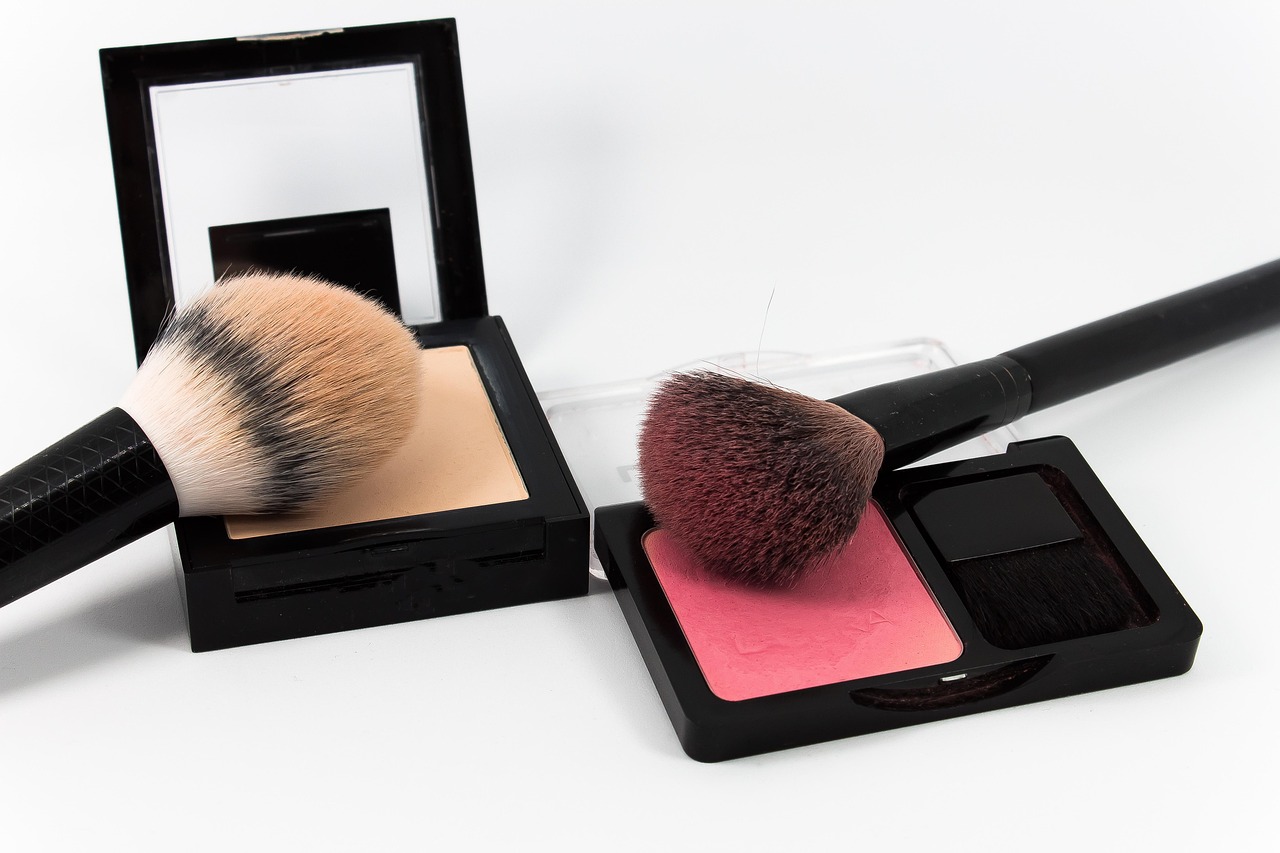
| Formula | Format | Key ingredient note | Most practical use |
|---|---|---|---|
| Easy Bake Loose Baking & Setting Powder | Loose powder, commonly listed as 20 g | Published brand ingredient list includes talc, silica, dimethicone, rice starch and fragrance components | Baking, setting foundation, controlling shine and creating a soft-focus matte finish |
| Easy Bake Fragrance Free Loose Baking and Setting Powder | Loose powder | Designed for shoppers who want the loose Easy Bake concept without added fragrance; published ingredient information still shows talc in the formula | Loose-powder users who dislike scent or react poorly to fragranced base products |
| Easy Bake Pressed Powder | Pressed compact | Brand describes it as talc-free and fragrance-free, with a 12-hour shine-control claim | On-the-go touch-ups, targeted blurring and users who prefer compact powders over loose jars |
This distinction matters because searches for “huda beauty powder” often mix reviews of the loose powder, shade advice, fragrance complaints, talc questions and comparisons with the pressed compact. A useful buying decision starts by separating the formulas before comparing shades.
The ingredient story behind the original loose powder
The original loose Easy Bake formula is built like a traditional high-performance setting powder: absorbent powders, slip agents, soft-focus ingredients and fragrance. That does not automatically make it right or wrong for every face, but it helps explain why users describe the finish in different ways.
Talc, silica and rice starch support the setting effect
Talc is used in many cosmetic powders for slip, spreadability and a smooth skin feel. In the original Easy Bake loose formula, it appears first in the published ingredient list, which means it is a major component. Silica and rice starch also appear in the list and are commonly used in face powders to help absorb excess oil and reduce the wet or tacky feel that can remain after foundation and concealer.
For oily or combination skin, this type of powder system can feel efficient because it reduces shine quickly. For very dry under-eyes, the same absorbent quality may look too matte or too visible if too much product is applied. Application amount can matter as much as the ingredient list.
Dimethicone and texture agents help the powder glide
Dimethicone, nylon-12, synthetic fluorphlogopite and several emollient or texture-enhancing ingredients appear in the original loose powder’s published list. In practical terms, these ingredients help the powder spread, blur and avoid a raw, chalky feel. They are part of the reason a loose powder can look smoother than plain starch or mineral powder when applied over liquid complexion products.
However, a silky ingredient structure does not guarantee that a powder will suit every base. A matte foundation, heavy concealer and heavy baking layer can build into a dry-looking finish. If your base makeup is already long-wearing or self-setting, a light press-and-sweep application may look more natural than a full bake.
Fragrance is the dividing line for many users
The original loose formula includes parfum/fragrance and several named fragrance components in its published ingredient list, including familiar label names such as linalool, coumarin and benzyl salicylate. These ingredients are not unusual in fragranced cosmetics, but they are relevant for people who prefer unscented eye-area products or who know they are sensitive to fragrance allergens.
Regulatory attention around fragrance labelling has also increased. The European Commission’s updated fragrance allergen rules require more individual fragrance allergens to be declared on cosmetic ingredient lists when they exceed set thresholds in leave-on or rinse-off products. For shoppers, the practical takeaway is simple: a longer fragrance section on a label is not automatically a danger signal, but it can help sensitive users identify ingredients they already know they need to avoid.
Fragrance-free is not the same as talc-free
One of the easiest mistakes is to assume that a fragrance-free version is also talc-free. In the Huda Beauty powder range, those are separate issues. The fragrance-free loose powder is positioned around scent removal, while the pressed powder is the formula the brand describes as both talc-free and fragrance-free.
This distinction is especially important because talc has been the subject of regulatory and consumer discussion in cosmetics. The U.S. Food and Drug Administration has continued to publish information about testing talc-containing cosmetics for asbestos contamination. The FDA also announced in November 2025 that it had withdrawn a proposed rule on standardized asbestos testing methods for talc-containing cosmetics while it considered comments and further assessment. That does not mean every talc product is unsafe, and it does not mean every talc-free product performs better. It does mean shoppers who care about talc should read the exact formula label rather than relying on product-family names.
If your preference is “no added fragrance,” the fragrance-free loose version is the relevant comparison. If your preference is “no talc,” the pressed powder is the clearer starting point within the current Easy Bake family.
Loose vs pressed Huda Beauty powder
The loose and pressed formats solve different makeup problems. A loose powder is easier to load generously on a puff for baking or setting larger areas. A pressed compact is neater, less messy and easier to carry, but it usually deposits product in a thinner, more controlled layer. See also: Buying Guides.
| Your priority | Formula to consider first | Why it may make sense |
|---|---|---|
| Strong shine control for a full base | Original loose powder | The loose format can be pressed into larger areas and used for classic baking techniques |
| No added fragrance but still a loose-powder finish | Fragrance-free loose powder | It keeps the loose Easy Bake concept while removing the scent issue |
| Talc-free and fragrance-free positioning | Pressed powder | The brand specifically describes the pressed formula this way |
| Travel and handbag touch-ups | Pressed powder | A compact is less messy than a loose jar and easier to use away from a vanity |
| Very dry under-eyes | Pressed powder or a very light loose application | A thin layer is less likely to emphasize dryness than a heavy bake |
| Full-glam baking | Loose powder | Loose powders are easier to pack on, leave in place and dust away |
The best-looking result often comes from using less powder than social media demonstrations suggest. Start with a small amount on a puff, press it into the area that creases or shines, then remove excess with a soft brush. If the finish still looks smooth and stable after several minutes, more powder is usually unnecessary.
How to choose a Huda Beauty powder shade
Huda Beauty’s shade system is one reason the powder remains widely discussed. The loose range includes complexion and correcting shades such as Sugar Cookie, Cherry Blossom Cake, Peach Pie, Pound Cake, Banana Bread, Blondie, Kunafa, Cinnamon Bun, Coffee Cake, Matcha Milk Cake and Ube Birthday Cake across current brand and retailer listings. Availability can vary by country, retailer and formula.
For a natural all-over set, choose a shade close to your foundation depth and undertone. For targeted brightening, many users choose a powder one or two steps lighter, but that approach can backfire if the tone is too pale, too pink, too yellow or too lavender for the complexion. Under-eye brightening should lift the area without creating a grey, chalky or disconnected cast.
- Translucent or near-translucent use: Sugar Cookie is often positioned as the most universal translucent-style option, but very deep skin tones should still swatch where possible.
- Soft pink brightening: Cherry Blossom Cake can help brighten, especially under the eyes, but pink powders can look obvious if over-applied on warmer undertones.
- Golden brightening: Banana Bread is often chosen by light, medium and tan users who want warmth rather than a cool pink effect.
- Peach correction: Peach-toned powders can help counter blue or purple-looking under-eye darkness, but they may look too warm if used across the entire face.
- Deeper setting shades: Cinnamon Bun and Coffee Cake style shades are more logical for deeper complexions or bronzed areas than very pale brightening powders.
The safest method is to test the powder over the foundation and concealer you actually wear. Powder shade can look different on bare skin than it does over a full base.
What to check before buying
Before choosing a Huda Beauty powder, read the current product label or retailer ingredient panel rather than relying on old reviews. Powder formulas, shade names, stock and regional listings can change. This is especially relevant if you are avoiding talc, avoiding added fragrance, shopping for a specific shade, or buying from a retailer outside your usual market.
- Check the formula name carefully. “Loose,” “fragrance free” and “pressed” refer to different products.
- Look at the first five ingredients. They usually show the main structure of a powder formula.
- Decide whether you bake or lightly set. A loose powder may be unnecessary if you only need midday touch-ups.
- Choose shade by use area. Your under-eye brightening shade may not be the same as your all-over face shade.
- Consider your sensitivity history. If fragranced eye-area products bother you, start with a fragrance-free option.
For more ingredient-led makeup explanations, visit our Beauty Ingredients section.
Frequently asked questions
Is Huda Beauty powder talc-free?
Not all of it. The original Easy Bake Loose Baking & Setting Powder’s published ingredient list includes talc. The fragrance-free loose version is also not automatically talc-free. The Easy Bake Pressed Powder is the product the brand describes as talc-free and fragrance-free.
Is the original Huda Beauty Easy Bake loose powder fragrance-free?
No. The original loose powder’s published ingredient list includes parfum/fragrance and named fragrance components. If scent is a concern, compare it with the dedicated fragrance-free loose version or the pressed powder.
Which Huda Beauty powder shade should I choose for under-eyes?
Choose based on both depth and undertone. A slightly lighter shade can brighten, but too much contrast can look grey or chalky. Pink, peach, yellow and lavender-leaning shades all correct differently, so testing over your concealer is more reliable than matching on bare skin.
Can you use Huda Beauty powder without baking?
Yes. The loose powder can be used lightly with a puff or brush to set foundation and concealer without a full baking step. The pressed powder is especially suited to thinner application and touch-ups.
Is the pressed powder the same as the loose powder?
No. They belong to the same Easy Bake family, but the format, ingredient positioning and practical use are different. The loose powder is better for traditional baking, while the pressed compact is cleaner for targeted setting and travel.