How to choose a skincare headband for cleansing, masks and makeup prep
a[data-rs-seo-link]{text-decoration:underline!important;color:#1a56db!important;cursor:pointer!important;}a[data-rs-seo-link]{text-decoration:underline!important;color:#1a56db!important;cursor:pointer!important;}
Why a skincare headband deserves a place in your routine
A skincare headband keeps hair away from the face while you cleanse, apply a mask, layer skincare or prepare makeup. The best option is not always the cutest one on the shelf. It should stay in place without tight pressure, absorb or repel product as needed, wash easily and avoid rough rubbing around the hairline. Used well, it reduces messy product transfer between hair and skin. Used poorly, especially when it is tight, dirty or loaded with old product, it can become another source of friction and residue.
Think of it as a hygiene and comfort accessory, not a treatment product. It will not clear acne, shrink pores or make a serum work better on its own. Its value is practical: it helps you keep cleanser out of the hair, prevent mask drips, protect styled edges and see the forehead, temples and jawline clearly while you work.

For more product-focused guides, visit our skincare products section.
What a skincare headband actually does
The main job of a skincare headband is simple: it creates a temporary boundary between hair and the face. That matters because many routines break down at the edges. Cleansers may not reach the hairline, masks can collect in baby hairs, and leave-on products may be pushed into the scalp by mistake. A headband gives you space to work evenly across the forehead and temples.
It is also useful when haircare and skincare overlap. Dermatology guidance commonly notes that oils, pomades and heavy styling products can contribute to breakouts around the hairline in some people. Holding hair back during cleansing and rinsing can help you remove facial cleanser properly without dragging hair product residue across the forehead.
- During cleansing: It keeps wet hair from sticking to the skin and allows better access to the hairline.
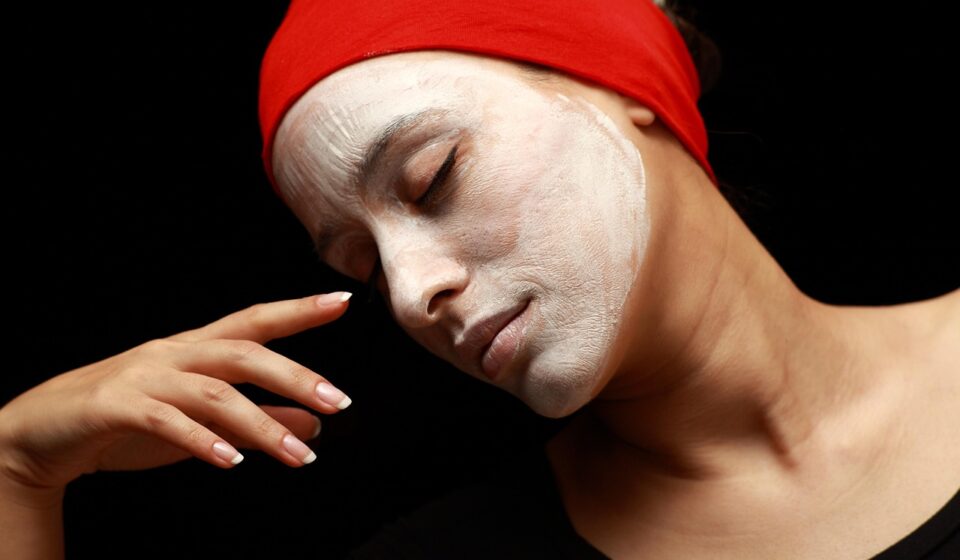
- During masks: It prevents clay, gel or cream formulas from collecting in the hair.
- During makeup prep: It keeps moisturiser, sunscreen and primer away from styled hair.
- During evening routines: It makes double cleansing less messy, especially when removing sunscreen or long-wear makeup.
The benefit is practical rather than dramatic. A headband helps you perform the routine with more control; it does not replace a suitable cleanser, moisturiser or sunscreen.
Materials and fit matter more than decoration
Many skincare headbands look similar online, but they can feel very different in use. Fabric, width, stretch and closure type all affect comfort. If a headband slips constantly, it interrupts the routine. If it grips too tightly, it can press into the forehead and create unnecessary friction.
| Type | Useful for | Watch for |
|---|---|---|
| Microfiber or plush polyester | Soft feel, good for quick cleansing and spa-style routines | Can hold product residue if not washed often |
| Cotton terry | Absorbing water around the hairline during cleansing | May feel heavier when wet and can take longer to dry |
| Satin or satin-lined styles | Reducing snagging on fragile, curly or styled hair | May slide if the fit is loose or hair is very silky |
| Adjustable wrap or hook-and-loop closure | Customising fit for different head sizes and hairstyles | Rough closures can catch hair if poorly placed |
| Elastic pull-on band | Fast, simple everyday use | Elastic that is too tight may create pressure marks |
Width is another detail worth checking. A very narrow band may dig into one small area, while a very wide band can trap more heat during a long mask session. For most routines, a medium-width band that sits just behind the hairline offers the easiest balance.
Skin concerns to consider before buying
Acne-prone or congested skin
If you are prone to forehead or hairline breakouts, choose a headband that is soft, breathable and not overly tight. Dermatology sources describe acne mechanica as breakouts that can be aggravated by heat, pressure, sweat and repeated rubbing. A skincare headband is much lighter than sports equipment, but the same principle still applies: unnecessary friction is not helpful for reactive skin.
For acne-prone routines, the cleanest option is usually a washable band that dries fully between uses. Avoid wearing the same damp, product-covered headband repeatedly through cleansing, masks and makeup. If you use oils, balms or rich masks, wash the band more frequently because those textures can cling to fabric.
Sensitive or easily irritated skin
Sensitive skin does not only react to skincare formulas. It may also react to fragrance, dyes, detergent residue or rough fabric texture. If your forehead becomes itchy or red exactly where the band sits, stop using it and review what might be touching the skin. A fragrance-free laundry approach and a pre-wash before first use are sensible precautions.
People with a history of contact dermatitis should be especially cautious with heavily scented accessories, decorative trims, scratchy seams or unknown finishing treatments. A plain, soft fabric is often a better choice than a highly embellished design.
Curly, textured, fragile or styled hair
For curly, coily, textured, chemically treated or heat-styled hair, the headband should hold hair away without disrupting the style. Satin-lined or smoother fabrics can be useful because they glide more easily than terry or plush textures. Adjustable wrap styles can also help because they let you loosen the fit around volume, braids, protective styles or laid edges.
If preserving the hairstyle is a priority, place the band carefully rather than pulling it roughly over the head. A soft scrunchie or clip can move longer hair first, then the headband can secure the front sections without dragging.
How to use a skincare headband without creating new problems
How you use the headband matters as much as the product itself. The goal is to keep hair out of the way without blocking proper cleansing at the hairline or pressing product residue into the skin.
- Start with dry hands and a dry band. A damp band can slip and may spread residue from a previous routine.
- Secure longer hair first. Use a loose tie, clip or claw clip so the headband is not carrying all the tension.
- Position it just behind the hairline. Do not cover the area you need to cleanse, especially the upper forehead and temples.
- Check pressure after one minute. If you feel pulsing, tightness or indentation, loosen it or switch styles.
- Cleanse the hairline intentionally. Many people miss this area when they are trying not to wet their hair.
- Remove before the final rinse if needed. This helps prevent cleanser or mask residue from sitting under the band.
- Let it dry fully after washing. Store it in an open, dry place rather than a closed cosmetic pouch.
For masks, avoid leaving the band on longer than necessary. A ten-minute mask is one thing; wearing a tight, warm band for an extended at-home spa session is less ideal for skin that reacts to heat and pressure. See also: Beauty Ingredients.
Cleaning and replacement are part of the product choice
A skincare headband touches cleanser, water, sweat, moisturiser, sunscreen, foundation and hair product. That makes washability one of the most important buying criteria. If a band looks beautiful but cannot be washed easily, it is less useful for regular skincare.
As a practical rule, wash the headband after any routine involving makeup removal, clay masks, heavy balms, visible product transfer or sweating. For light morning cleansing, some people may use it more than once, but it should still dry completely between uses. Keeping two or three bands in rotation is more hygienic than relying on one constantly damp accessory.
- Replace it if the elastic no longer holds comfortably.
- Replace it if the fabric remains stiff or waxy after washing.
- Replace it if it develops a persistent odour.
- Replace it if seams, closures or decorative parts begin scratching the skin.
- Do not share a used headband during facials, sleepovers or group makeup sessions.
Wash instructions vary by fabric, so follow the label when available. In general, a gentle detergent, thorough rinsing and full drying matter more than adding strong fragrance or fabric softener.
Common mistakes that make a headband less skin friendly
A skincare headband is easy to use, but a few habits can reduce its benefits. The most common mistake is wearing it too low, covering the very hairline you need to cleanse. Another is treating it like a decorative prop rather than a washable tool.
- Wearing it too tight: Secure does not mean compressive. Pressure marks are a sign to loosen the fit.
- Leaving cleanser trapped underneath: Rinse the forehead and temples carefully so product does not sit at the band line.
- Using the same band for weeks without washing: Fabric can collect oils, makeup and mask residue.
- Choosing rough novelty designs: Bows and ears can be fun, but seams and trims should not scratch the skin.
- Ignoring hair type: A plush elastic band may work for straight hair but disturb curls, edges or protective styles.
- Expecting skincare results from an accessory: It can support a better routine, but it does not treat breakouts or sensitivity.
The best headband is the one that disappears into the routine. You should notice that cleansing is easier, not that the accessory is pulling, slipping or leaving marks.
A simple buying checklist
Before buying a skincare headband, use a checklist instead of relying on colour or packaging alone. This is especially helpful when shopping online, where photos can make fabric look softer or wider than it really is.
- Fit: Is it adjustable, or does the size depend entirely on elastic?
- Fabric: Is the surface soft enough for direct forehead contact?
- Width: Will it hold hair back without covering too much of the face?
- Washability: Can it be machine washed or easily hand washed?
- Drying time: Will it dry fully between uses?
- Hair compatibility: Will it protect your style rather than flatten or snag it?
- Sensitive-skin suitability: Are there heavy fragrances, dyes, scratchy trims or unknown coatings?
- Routine match: Do you need it mainly for cleansing, masks, makeup prep or travel?
If you are buying one for daily use, simplicity usually wins. A soft, washable, medium-width band with comfortable stretch will usually outperform a novelty design that is difficult to clean or too tight to wear comfortably.
Frequently asked questions
Is a skincare headband necessary?
No, it is not essential. You can cleanse well with clips or a towel if they work for you. A headband is useful when you want a cleaner, more controlled routine, especially around the hairline.
Can a skincare headband cause breakouts?
It can contribute to irritation or congestion if it is tight, dirty, damp or worn for long periods. People prone to forehead breakouts should choose a soft washable band, avoid excessive pressure and clean it often.
Is terry cloth or microfiber better?
Terry cloth is absorbent and familiar, while microfiber or plush polyester often feels softer and lighter. Neither is automatically better for everyone. The better choice is the one that fits comfortably, washes well and does not irritate your skin.
How often should I wash it?
Wash it after visible product transfer, sweating, mask use or makeup removal. If you use it only for a quick light cleanse, let it dry fully and wash it regularly. Keeping more than one headband in rotation makes this easier.
Can I use the same headband for skincare and makeup?
Yes, but wash it often. Foundation, sunscreen, hair product and skincare residue can all collect on fabric. If you do full makeup frequently, consider keeping one band for cleansing and another for makeup prep.