Swiss Beauty eyeshadow palette ingredients explained for informed eye makeup choices
a[data-rs-seo-link]{text-decoration:underline!important;color:#1a56db!important;cursor:pointer!important;}a[data-rs-seo-link]{text-decoration:underline!important;color:#1a56db!important;cursor:pointer!important;}
The phrase Swiss Beauty eyeshadow palette does not point to one universal formula. Official product pages list formats such as Limitless, Select, Ultimate and Awaken, with differences in shade count, finish mix, net weight and ingredient panels. That distinction matters: a neutral matte, a metallic shimmer and a glitter shade may use different base powders, binders and colourants. This guide explains how to read those labels, which ingredients influence texture and colour payoff, and what to check before applying pigment close to the eyes. For more ingredient-led beauty explainers, visit our Beauty Ingredients section. (swissbeauty.in)
What the Swiss Beauty eyeshadow palette range includes
Swiss Beauty presents more than one eyeshadow palette format, so any ingredient comparison should start with the exact product name. The Limitless Eyeshadow Palette is described by the brand as a 15-shade palette with matte, shimmer, glitter and metallic finishes. The Select Eyeshadow Palette is a 12-pan format positioned around mattes, shimmers and metallics. The Ultimate Eyeshadow Palette is listed as a 9-colour compact palette, while the Awaken Eyeshadow Palette separates matte, metallic and glitter ingredient lists on its product page. (swissbeauty.in)
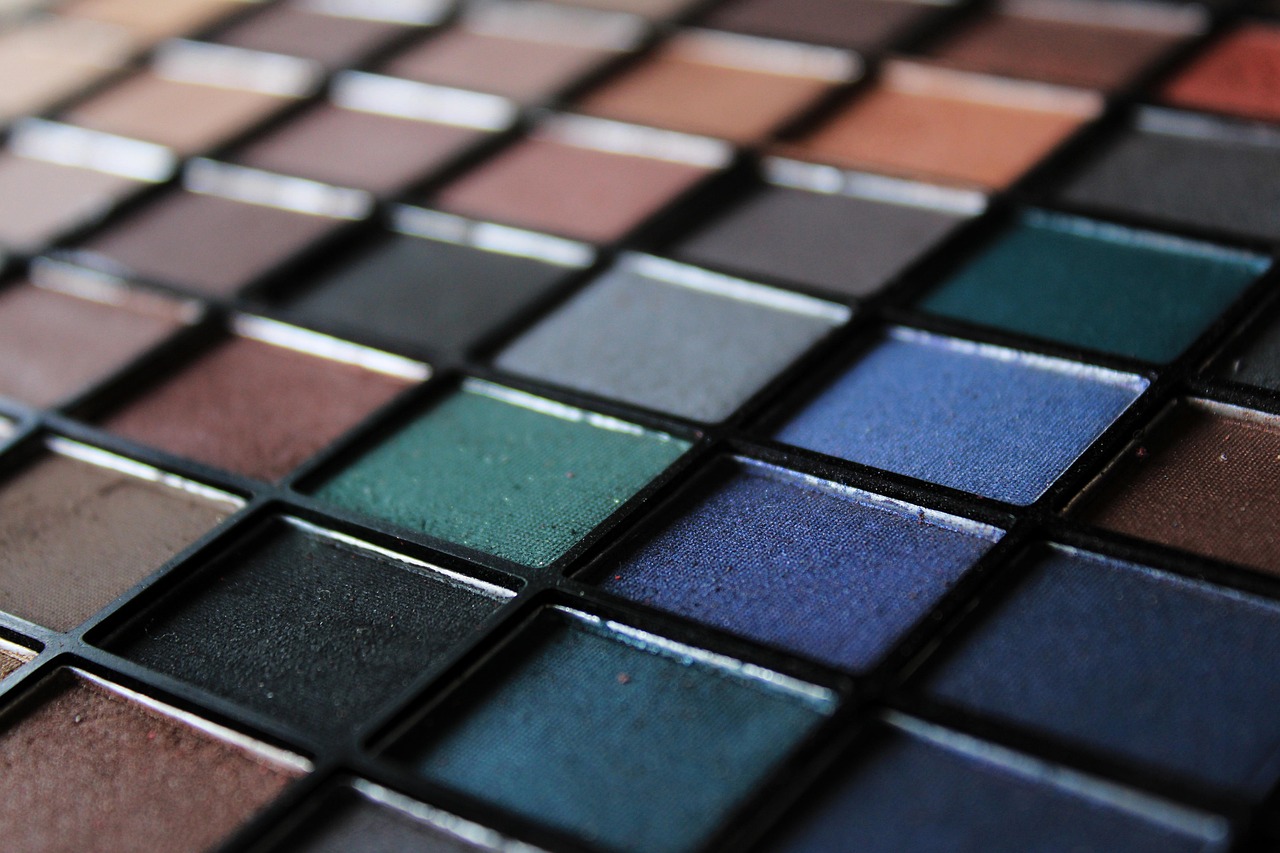
The practical takeaway is straightforward: do not judge every Swiss Beauty palette from one ingredient list copied from a marketplace page. Brand pages show that shade count, net quantity, finish mix and colourants can vary. That is normal in colour cosmetics, but it makes the ingredient panel on the box or official listing the primary reference.
| Palette format | What the official listing highlights | Ingredient-reading note |
|---|---|---|
| Limitless | 15 shades with matte, shimmer, glitter and metallic effects | Look for base powders, emollients and glitter-related ingredients |
| Select | 12 pans with mattes, high-shine shimmers and metallics | The listing gives a shorter ingredient statement, so packaging may be useful for shade-level detail |
| Ultimate | 9 colours in matte, shimmer and metallic finishes | Includes a broader pigment and preservative list than some summaries |
| Awaken | Separate matte, metallic and glitter ingredient sections | Useful example of why finishes should not be assumed to share one formula |
The base ingredients that shape feel and blendability
Most powder eyeshadows start with a base system that affects slip, adherence, softness and opacity. In Swiss Beauty palette listings, frequently visible base materials include mica, talc, magnesium stearate, boron nitride and synthetic fluorphlogopite. Mica and synthetic fluorphlogopite help create shine and reflectivity. Talc and magnesium stearate support powder structure and pressability, while boron nitride is often used to improve slip and give a smoother application feel. (swissbeauty.in)
These ingredients are not decorative label entries. They are part of the reason one shade feels silky while another grips the lid more quickly. A matte crease shade usually needs enough adherence to build depth without skipping. A shimmer lid shade needs reflectivity plus binder so it transfers evenly instead of dusting away. When a product page describes a palette as blendable or buildable, the useful question is whether the ingredient mix supports powder glide, adhesion and layering.
Similar base ingredients across several palettes do not mean every pan will perform the same way. Pigment load, pressed density, pearl particle size and binder level can all change the result. Ingredient lists are most useful when read together with the finish type: matte, shimmer, metallic or glitter.
Shimmer, metallic and glitter ingredients need separate attention
Shimmer and metallic finishes are often built around reflective ingredients such as mica, synthetic fluorphlogopite and tin oxide. Swiss Beauty listings also show ingredients such as polyethylene terephthalate in certain glitter or sparkle-oriented formulas, and the Awaken palette listing separates glitter ingredients from matte and metallic ones. (swissbeauty.in)
This distinction matters because the eye area is delicate. A soft pearl shimmer and a visibly sparkly glitter do not create the same use experience. Larger sparkle particles can feel more noticeable during application and removal, especially if fallout reaches the lash line. The brand’s own product pages repeatedly advise patch testing before full use and include external-use cautions, which is a sensible minimum for any eye makeup product. (swissbeauty.in)
For everyday wear, readers with sensitive eyes, contact lenses or frequent watering may prefer smoother mattes and refined shimmers over chunkier glitter looks. This is a safety-first editorial suggestion, not a claim that any specific Swiss Beauty glitter pan is unsafe. The point is to match texture with tolerance: the closer a product sits to the lash line, the more conservative the formula choice should be.
Colour additives are the most important label check near the eyes
Eyeshadow palettes rely on colour additives to create browns, reds, yellows, blues, blacks, whites and metallic effects. Swiss Beauty ingredient panels list colour index ingredients such as titanium dioxide, iron oxides, Yellow 5, Yellow 6, Red 6, Red 7, Red 40, carmine and other listed pigments, depending on the palette. (swissbeauty.in)
Regulatory context is important here. The U.S. FDA states that colour additives used in cosmetics must be approved for their intended use. It also notes that a colour additive may not be used in the eye area unless the regulation for that additive permits eye-area use. FDA guidance warns that some colours approved for cosmetic use generally are not approved for the eye area. (fda.gov)
The European Union also regulates cosmetic colourants through annexes that specify allowed colourants and, in some cases, restrictions such as not being used in eye products or on mucous membranes. This does not mean every jurisdiction evaluates every pigment in exactly the same way, and it is not a reason to panic over every red or yellow colour index number. It does mean shoppers should pay attention to eye-area warnings, especially on bright pressed pigment shades and glitter-heavy palettes. (eur-lex.europa.eu)
For consumers, the clearest rule is this: if a palette, box or shade insert says a pan is not intended for use around the immediate eye area, do not treat that warning as decorative fine print. If an online listing does not provide enough shade-specific information, check the physical packaging before use.
Preservatives, fragrance and comfort-related ingredients
Powder eyeshadows contain less water than liquid makeup, but they can still include preservatives, processing aids and sensory ingredients. Swiss Beauty listings show examples such as phenoxyethanol, caprylyl glycol, methylparaben, propylparaben and parfum in certain palette formulas. Not every palette listing has the same preservative or fragrance profile. (swissbeauty.in)
Phenoxyethanol and parabens are used in many cosmetics as preservation-related ingredients. Fragrance has a different role: it may improve the user experience for some people, but it can be a comfort issue for others, particularly near the eye area. If your eyelids are reactive, fragrance-containing eye products are worth approaching cautiously. See also: Buying Guides.
Emollients and binders also deserve attention. Ingredients such as mineral oil, ethylhexyl palmitate, caprylic/capric triglyceride, polybutene, polyisobutene and dimethicone can help powders press together, adhere to skin and feel smoother. They are not automatically problematic, but they may affect how easily a shade removes and whether it leaves a film. If shimmer tends to leave residue after removal, a gentle oil-based first cleanse followed by a mild second cleanse may reduce the need for rubbing.
How to choose a palette based on ingredients, not only colours
A palette can look attractive online and still be a poor match for a user’s routine. The better way to assess a Swiss Beauty eyeshadow palette is to combine shade preference with ingredient awareness.
- If you want everyday office makeup: choose a palette with wearable mattes and smooth shimmers rather than one dominated by glitter textures.
- If you want festive or evening looks: metallic and glitter shades may be useful, but check whether the listing separates glitter ingredients and whether the packaging gives any eye-area warnings.
- If you have sensitive eyelids: review fragrance, glitter and bright pigment warnings first, then patch test before full use.
- If you want a travel palette: compare net quantity and shade count, because a smaller 9-pan palette may be more practical than a larger format.
- If you shop from marketplaces: cross-check the product name and shade variant against the brand’s official information where available.
Ingredient reading cannot predict every user experience, but it can reduce avoidable mistakes. Someone who dislikes shimmer fallout should not choose a glitter-heavy palette only because the colours look neutral. Someone who wants intense red or berry tones should understand that bright pigments deserve closer label attention than beige and brown mattes.
A practical label-reading checklist before application
Before using any new eye palette, take a moment to inspect the product. This is especially useful when one compact includes several finishes.
- Confirm the exact palette name and variant. Limitless, Select, Ultimate and Awaken are not interchangeable formulas.
- Read the full ingredient panel. Look for base powders, binders, preservatives, fragrance and colour index ingredients.
- Check for eye-area warnings. Follow any instruction that limits use around the immediate eye area.
- Separate glitter from shimmer. Fine pearl shimmer is not the same as visible glitter particles.
- Patch test first. The official Swiss Beauty listings include patch-test advice, which is particularly sensible for eyelid-area products. (swissbeauty.in)
- Use clean tools. A well-formulated product can still irritate if applied with dirty brushes.
- Remove without scrubbing. Hold remover briefly over the lid, then wipe gently to reduce mechanical irritation.
This checklist is not meant to make eyeshadow complicated. It recognises that the eye area has lower tolerance for experimentation than the cheeks or outer face. A palette can be affordable, colourful and enjoyable while still requiring careful shade selection and clean application habits.
Frequently asked questions
Is Swiss Beauty eyeshadow palette safe for eyes?
Swiss Beauty sells products identified as eyeshadow palettes, and official pages include external-use cautions and patch-test advice. Safety for an individual user still depends on the exact palette, shade, ingredient list, eye-area warnings and personal sensitivity. Regulatory agencies such as the FDA specifically emphasize checking whether colour additives are permitted for the eye area. (fda.gov)
Does every Swiss Beauty eyeshadow palette have the same ingredients?
No. The brand’s listings show different ingredient statements across Limitless, Select, Ultimate and Awaken. Some products also separate matte, metallic and glitter ingredients, which is why shoppers should check the exact palette rather than rely on a general brand-level ingredient summary. (swissbeauty.in)
Which ingredients create shimmer in these palettes?
Common shimmer or reflective ingredients visible in Swiss Beauty listings include mica, synthetic fluorphlogopite and tin oxide. Glitter-oriented sections may include different film or sparkle-related materials, so visible glitter shades should be read separately from standard shimmer shades.
Should I avoid talc, parabens or fragrance automatically?
Not automatically. These ingredients appear in many cosmetic products, but personal tolerance varies. If you know your eyelids react easily, fragrance-containing formulas and glitter-heavy shades deserve extra caution. If you have a diagnosed allergy or recurring eye irritation, ask a qualified healthcare professional before continuing use.
What is the most useful buying rule?
Choose by formula as well as colour. For daily looks, a balanced matte-and-smooth-shimmer palette may be easier to use. For bolder looks, metallics and glitters can add impact, but they require closer attention to warnings, fallout and removal.
The bottom line
A Swiss Beauty eyeshadow palette is best evaluated as a formula choice, not only as a colour story. The brand’s official pages show that its palettes can differ in shade count, finishes, colourants and supporting ingredients. Base powders such as mica and talc influence texture; emollients and binders affect adherence; preservatives and fragrance may matter for sensitive users; and colour additives are especially important near the eyes. Read the exact label, respect any eye-area warning, patch test first and choose the finish level your eyes can comfortably tolerate.