A practical guide to buying lipstick on sale

a[data-rs-seo-link]{text-decoration:underline!important;color:#1a56db!important;cursor:pointer!important;}a[data-rs-seo-link]{text-decoration:underline!important;color:#1a56db!important;cursor:pointer!important;}
What a sale price should really change
A lipstick on sale is only a good buy if you would still want the shade, finish and formula at full price. The discount should make a useful product easier to justify. It should not push you toward a color you will never wear or a texture that irritates your lips. Before checking out, look at three things: whether the shade suits your undertone and wardrobe, whether the finish fits your daily habits, and whether the product appears fresh, sealed and clearly labeled.
This matters because lipstick is personal. A deep red can look beautiful online and still sit untouched if you usually wear sheer balms to work. A matte liquid lipstick may last well, but feel too dry if your lips are sensitive or dehydrated. Sale shopping works best when you use the lower price to replace a known favorite, try a close variation, or buy a well-edited set you can realistically finish.
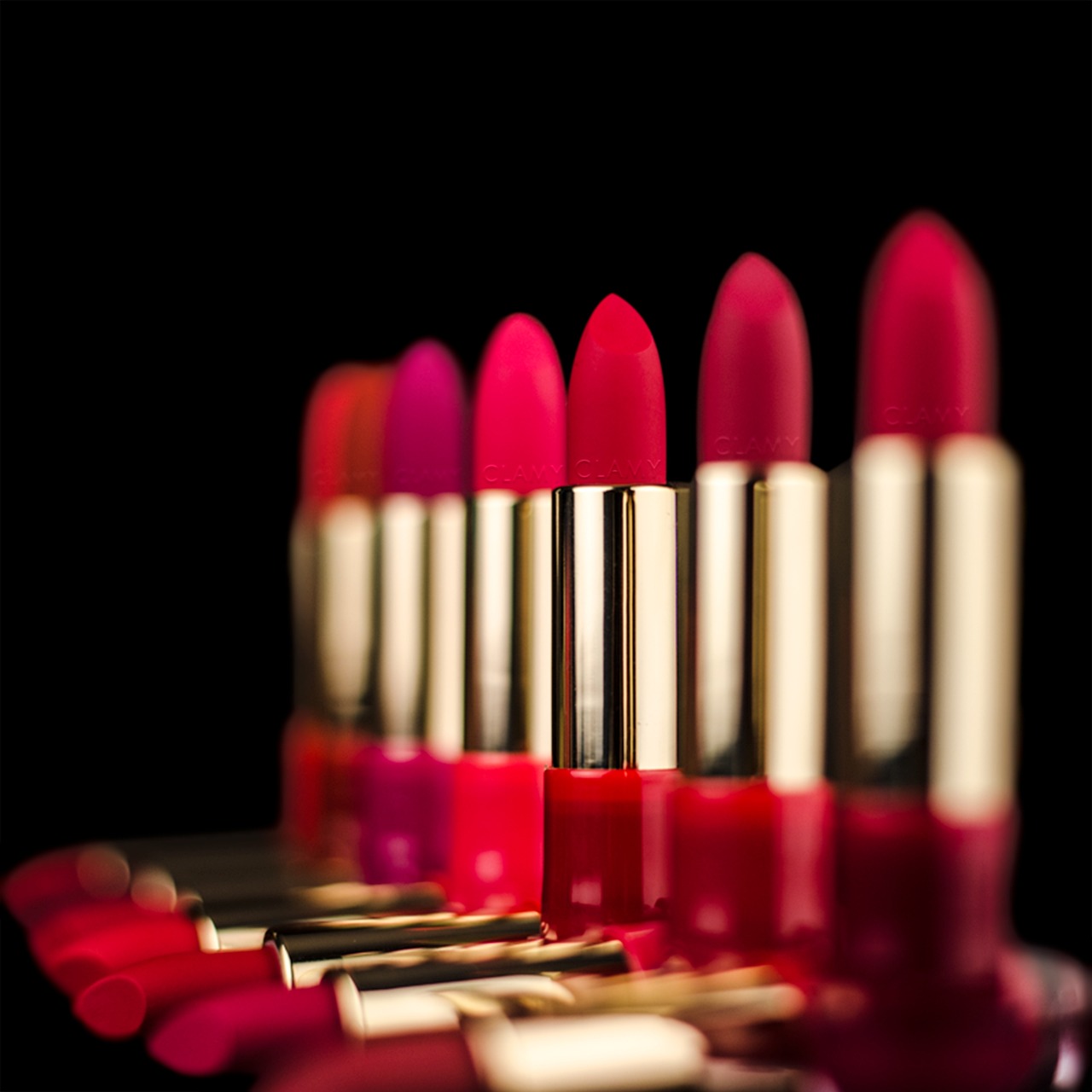
For more practical beauty shopping topics, visit the Buying Guides section.
Start with shade, undertone and finish
The biggest mistake in sale lipstick shopping is treating color as an afterthought. A bargain shade that clashes with your skin tone, teeth, makeup style or clothing is not truly cheap, because it adds no value to your routine. Start with the colors you already wear often. If your everyday bag includes rose, berry, brown pink or soft red, a sale is usually a better time to look for nearby shades than for a completely unfamiliar neon or gray-based nude.
Use undertone as a filter, not a rule
Undertone can help narrow the choice, but it should not become a rigid rule. Warm undertones often pair easily with brick, terracotta, coral, caramel nude and warm red. Cool undertones often suit blue-red, berry, mauve, plum and rosy nude. Neutral undertones can usually move between both families. The practical test is simpler: if a shade makes your complexion look dull or your teeth look more yellow than usual, it may not be the right sale purchase, even if the color is trending.
Online product photos can also mislead. Studio lighting, filters and model skin tones all affect how lipstick appears. When possible, compare brand swatches across several skin tones, check whether the product is described as warm, cool or neutral, and look at user photos taken in lighting similar to your own environment. If a retailer offers a virtual try-on tool, use it as a rough guide, not a final guarantee.
Match the finish to how you actually wear lipstick
Finish affects comfort, longevity and maintenance. Matte formulas can look polished and resist transfer, but many feel drier over time. Satin and cream lipsticks are usually more comfortable but may need reapplication. Glossy products create shine and a fuller-looking lip effect, yet they can move outside the lip line if applied heavily. Stains and tints are useful for low-maintenance color, though some formulas fade unevenly when lips are dry.
Ask when and where you will wear the lipstick. For long workdays, a comfortable satin bullet may be more useful than a dramatic liquid matte. For evenings, a bolder red or wine shade might make sense. For minimal makeup days, a tinted balm or sheer lipstick may deliver more real wear than a full-coverage shade bought only because it was discounted.
Check the formula before you check the discount
Sale sections often mix everyday shades, seasonal colors, limited editions, older packaging and gift sets. The formula is what determines whether the product still feels good after the first ten minutes. A low price cannot fix a lipstick that feathers, flakes, smells odd or dries the lips uncomfortably. Look for formula descriptions that match your needs: hydrating, long-wear, transfer-resistant, sheer, buildable, fragrance-free or full pigment.
If your lips react easily, be careful with strong fragrance, flavoring, menthol-like cooling effects or heavy plumping claims. The American Academy of Dermatology advises consumers to pay attention to product labels when cosmetics appear to trigger breakouts or irritation around the mouth. That does not mean every fragranced or plumping lip product is unsafe. It means sensitive users should buy cautiously, especially when clearance policies limit returns.
| Formula type | Best for | Watch for before buying on sale |
|---|---|---|
| Matte liquid lipstick | Bold color and longer wear | Dryness, cracking, difficult removal and shade intensity |
| Cream or satin bullet | Everyday comfort and easy reapplication | Transfer, shorter wear time and packaging condition |
| Sheer lipstick or tinted balm | Low-effort color and casual use | Low pigment, frequent reapplication and potential melting in heat |
| Lip stain or tint | Lightweight color that fades gradually | Patchiness on dry lips and limited shade correction |
| Lip liner and lipstick set | Defined lip shape and coordinated color | Whether both products are shades you will use |
For value, sets deserve extra scrutiny. A three-piece kit may look attractive, but it is not automatically better than one reliable lipstick. Count only the items you will use. If a set includes one flattering everyday shade, one color that is too pale and one glitter finish you dislike, the effective price of the useful product may be much higher than the headline discount suggests.
Inspect freshness, packaging and safety signals
Lipstick is applied directly to the mouth area, so freshness and packaging matter. The U.S. Food and Drug Administration explains that cosmetic shelf life can be affected by the formula, preservatives, packaging and storage conditions. In the United States, cosmetics generally are not required to display expiration dates in the same way as some regulated drug products, so shoppers should not rely only on a visible date.
Before buying in store, check that the lipstick has not been opened, swatched, dented or exposed. A bullet lipstick should look smooth and intact, not sweaty, cracked, dusty or separated from the base. A liquid lipstick should not appear unusually thick, watery, separated or crusted around the neck of the tube. Online, look for clear product photos, condition notes and return terms. If a retailer sells discontinued stock, that does not automatically mean the product is bad, but it is a reason to be more careful.
Texture and smell are also important after purchase. If a lipstick smells rancid, sour or noticeably different from other products in the same line, stop using it. If the formula changes texture, stings unexpectedly, grows visible spots, or causes irritation that does not resolve, discard it. A discounted product is never worth using past the point where it seems compromised.
It is also useful to understand what cosmetic regulation does and does not mean. The FDA regulates cosmetics sold in the United States, but most cosmetic products and ingredients do not need FDA premarket approval, except color additives. For lipstick, approved color use matters because pigments permitted for use on skin are not automatically permitted for the lip area. For shoppers, the practical takeaway is to buy from recognizable retailers and brands that provide ingredient lists, product identity, net contents and responsible labeling, rather than anonymous items with vague claims.
Compare value beyond the sticker price
The percentage discount is not the same as value. A lipstick marked down from a luxury price can still be expensive per wear if the shade is occasional. A modestly discounted drugstore lipstick can be an excellent value if it becomes your daily color. Instead of asking whether the markdown is large, ask how many times you expect to wear the product in the next six months. See also: Beauty Ingredients.
A simple cost-per-wear mindset can prevent impulse buying. If a $10 sale lipstick is worn 50 times, it costs 20 cents per wear. If a $6 clearance lipstick is worn twice, it costs $3 per wear and takes up space in your makeup bag. This is not an exact science, but it shifts attention from the sale sign to usefulness.
Return policies also affect value. Some beauty retailers allow returns on gently tried products, while others mark final sale items as non-returnable. Final sale can be reasonable for a backup of a shade you already know. It is riskier for a new formula, a bold color or a product bought from a third-party marketplace. If the listing says final sale, check shade descriptions, undertone notes, size and set contents more carefully before buying.
Shipping thresholds can create another trap. Adding an extra lipstick to qualify for free shipping only saves money if the added item is genuinely useful. If you need to spend much more to avoid a small shipping charge, paying for shipping may be cheaper than buying products you do not want.
Build a small sale cart you will actually use
A good sale cart should feel edited, not accidental. One way to shop is to choose by role. Most people need fewer lipsticks than they think: a comfortable everyday shade, a polished shade for work or events, and a stronger shade for evenings or photos. If a sale helps you fill one of those roles, it has a clear purpose.
A simple three-lipstick capsule
- Everyday neutral: A shade close to your natural lip color, such as rose, beige pink, brown pink, mauve or soft peach.
- Polished color: A slightly deeper satin, cream or soft matte shade that works with your usual clothing and complexion.
- Statement shade: A red, berry, brick, plum or rich brown that you enjoy enough to wear beyond one special occasion.
If you already own lipsticks in these roles, a sale may be better used for replacement than expansion. Replace a nearly finished favorite, buy a backup only if you wear it often, or try one adjacent shade in the same formula family. Avoid buying five similar colors because each one is inexpensive. Similar shades can be useful for professionals or enthusiasts, but for most shoppers they become duplicates.
Pay attention to lip preparation too. A lipstick that looks bad on dry, peeling lips may not be the wrong formula; it may need better prep. Gentle exfoliation, a light layer of balm and a matching liner can improve wear. However, if a formula still pills, flakes or feels tight after normal prep, do not keep buying it because the price is attractive.
Common mistakes to avoid
- Buying a shade only because it is viral: Popularity does not guarantee it will suit your undertone, makeup style or comfort preferences.
- Ignoring size: Mini lipsticks can be excellent for trying colors, but compare the product amount before assuming a set is cheaper.
- Overlooking the finish: Two lipsticks in the same shade family can look completely different in matte, satin and gloss finishes.
- Skipping return terms: A final sale item should be treated as a higher-risk purchase unless you already know the product.
- Buying damaged packaging: Torn seals, messy tubes or unclear labels are not worth the risk for a small saving.
The best approach is to make a short list before browsing. Write down the shades or formulas you actually need, then compare sale items against that list. This keeps the discount in its proper role: helpful, but not in charge.
Frequently asked questions
Is it worth buying lipstick on sale?
Yes, if the lipstick fits your shade preferences, comfort needs and routine. It is especially worthwhile for replacing a favorite product or trying a nearby shade in a formula you already trust. It is less worthwhile when the product is final sale, unsealed, poorly described or far outside your normal style.
How can I tell if sale lipstick is old?
You may not always be able to tell from the listing alone. Check packaging condition, seal status, texture, smell and whether the retailer is reputable. After purchase, do not use lipstick that smells rancid, looks separated, has changed texture or causes unusual irritation.
Should I buy a lipstick shade I have never tried because it is discounted?
Only if the risk is small. A mini size, a flexible return policy or a low-cost shade close to colors you already wear can be reasonable. A non-returnable full-size lipstick in an unfamiliar undertone is more likely to become clutter.
Are clearance lipsticks less safe?
Not automatically. Clearance can happen because of seasonal shades, packaging changes or inventory management. Still, shoppers should be more careful with opened products, damaged packaging, unclear labeling, unusual texture or third-party sellers that do not provide reliable product information.
How many lipsticks should I buy during a promotion?
Buy only what you can realistically wear while it remains in good condition. For most people, one replacement, one everyday option or one carefully chosen statement shade is more useful than a large sale haul of similar colors.