How to choose beauty supply stores for safer, smarter shopping
a[data-rs-seo-link]{text-decoration:underline!important;color:#1a56db!important;cursor:pointer!important;}a[data-rs-seo-link]{text-decoration:underline!important;color:#1a56db!important;cursor:pointer!important;}
What makes beauty supply stores worth your trust?
Good beauty supply stores help shoppers buy the right product, read the label, and resolve problems when an item arrives damaged, unsuitable, or not as described. Price matters, but it should not be the only reason to choose a store. For cosmetics, hair care, skin care, nail products, fragrance, and heated tools, compare product authenticity, freshness, storage conditions, ingredient transparency, staff knowledge, delivery standards, and return policies.
The safer choice is usually the store that gives clear product information, manages inventory carefully, and avoids unrealistic claims. For more practical shopping frameworks, browse our buying guides.
Match the store type to what you need
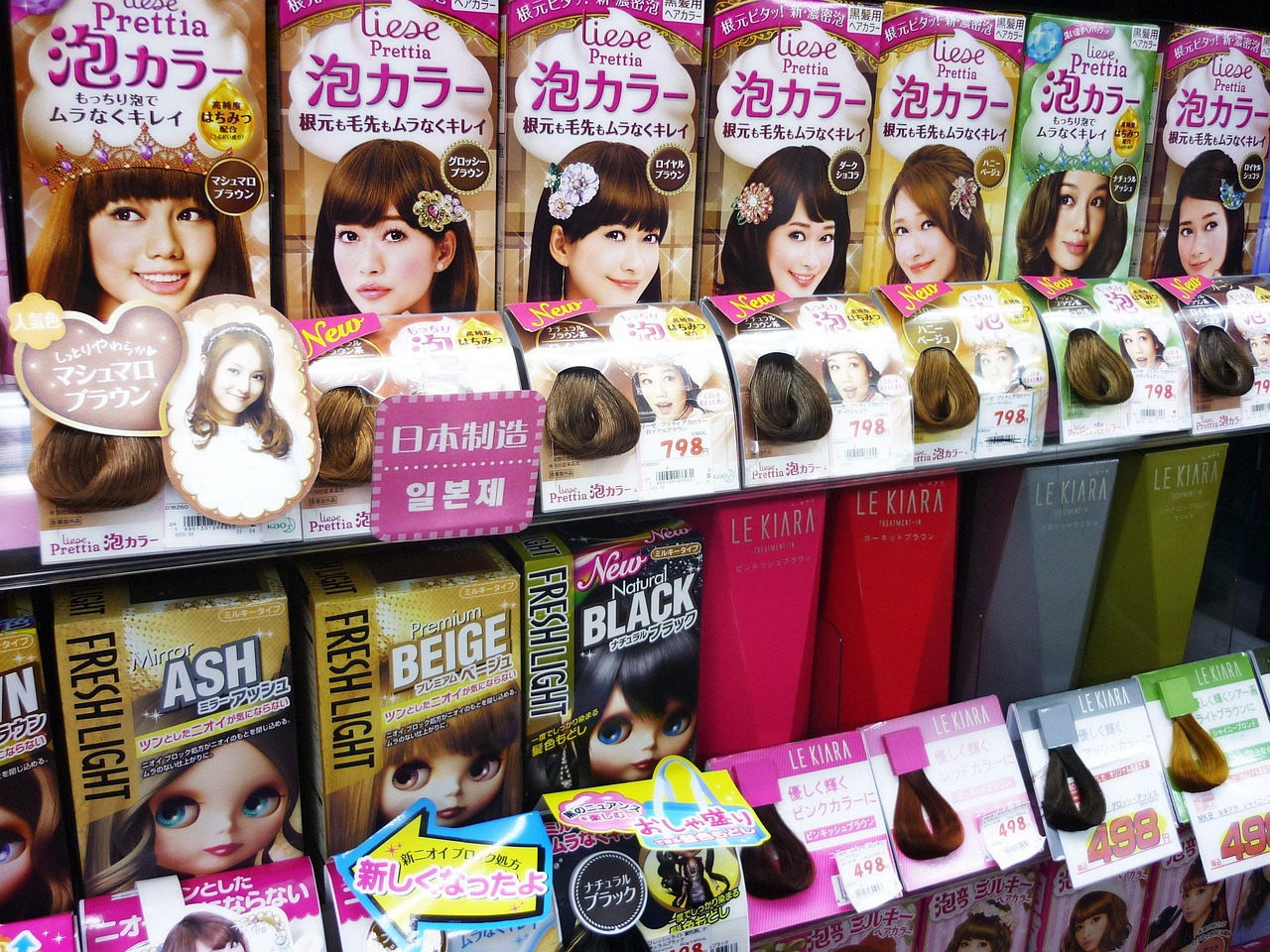
The phrase beauty supply stores covers several retail formats. A neighborhood beauty supply shop may carry hair color, wigs, extensions, nail tools, and everyday skin care. A professional salon supplier may focus on licensed stylists or estheticians. A large online retailer may offer a wider brand range, while a marketplace seller may be convenient but less transparent about sourcing. No format is automatically better for every purchase.
For routine items such as shampoo, conditioner, cotton pads, or basic nail supplies, convenience and price may be enough to guide the decision. For products used near the eyes, formulas with strong actives, chemical processing products, or tools that plug into an electrical outlet, sourcing and safety controls matter more. Hair color, lash glue, depilatories, peels, acne treatments, sunscreen, and heat styling tools deserve more scrutiny than simple accessories.
Professional-only products require additional caution. Some formulas are designed for trained use, controlled timing, or proper ventilation. If a store sells a product intended for salon use, it should give enough context for consumers to judge whether the product is suitable for home use. If the label, instructions, or safety warnings are unclear, choose another product or ask a qualified professional before purchasing.
Check labels before you judge the price
A trustworthy beauty store should make labels easy to review. For cosmetics marketed to consumers in the United States, public guidance from the U.S. Food and Drug Administration explains that retail cosmetic labels generally need information such as product identity, net quantity, business name and place, and an ingredient declaration. The FDA also makes an important distinction that many shoppers miss: cosmetics are regulated, but most cosmetics are not approved by the FDA before sale. Shoppers still need to judge whether the store and product presentation look credible.
For products that are both cosmetics and over-the-counter drugs, such as many sunscreens, acne treatments, anti-dandruff shampoos, and certain antiperspirants, the label should carry drug-style information, including active ingredients, directions, and warnings. If an item in one of these categories has no clear active ingredient information, no directions, or no warnings, treat that as a reason to pause.
Ingredient lists are especially important for people with allergies, sensitive skin, textured hair needs, or fragrance concerns. A store does not need to explain every ingredient in detail, but it should show the label clearly online or allow customers to inspect packaging in person. If a website uses only a brand image and gives no ingredient list for a product where ingredients matter, compare it with another seller before buying.
Expiration dates are not the whole freshness story
The FDA has stated that U.S. law does not generally require cosmetic manufacturers to print expiration dates on cosmetic labels, although companies remain responsible for product safety. Because of that, shoppers should look beyond the presence or absence of a date. Packaging that is dusty, faded, leaking, separated, swollen, or repeatedly discounted without explanation may point to weak stock rotation or poor storage.
Freshness matters most for eye products, products in jars, opened pump products, natural-positioned formulas with fewer preservatives, and any product that smells different, changes color, or separates unexpectedly. A responsible store should sell sealed goods when sealing is customary, keep testers separate from retail stock, and remove damaged products from shelves.
Look for authenticity signals, not just brand names
Counterfeit and diverted goods are a real risk in beauty retail, especially when an item is popular, expensive, or widely promoted on social platforms. A low price does not prove a product is fake, but a price far below typical retail should make shoppers ask why. The concern is not only performance. A counterfeit cosmetic may use different ingredients, poor packaging, contaminated filling, or misleading instructions.
Use these checks before buying from unfamiliar beauty supply stores:
- Compare packaging details. Check spelling, logo placement, batch code format, shade name, seal style, and carton quality against the brand’s current packaging.
- Look for seller transparency. A reliable store should identify itself clearly, provide contact details, and explain return or exchange procedures.
- Be cautious with viral shortages. When a product is sold out at many authorized retailers but widely available from unknown sellers, risk increases.
- Check condition on arrival. Photograph leaking, unsealed, or visibly altered products before opening or using them.
- Avoid products with medical claims. A cosmetic that promises to cure disease, regrow hair, erase scars, or permanently change skin structure may be making unsupported or drug-like claims.
Electrical beauty tools need a separate authenticity check. Flat irons, curling wands, dryers, electric nail drills, and LED-style devices may involve heat, batteries, wiring, or light exposure. The U.S. Consumer Product Safety Commission has warned about fake safety labels and counterfeit certification marks in consumer products. For beauty tools, shoppers should check model numbers, plugs, safety markings, instructions, warranty details, and recall information before trusting an unfamiliar seller.
Use reviews carefully after the FTC rule change
Reviews can help shoppers compare beauty supply stores, but they should not be treated as proof on their own. The Federal Trade Commission’s final rule on consumer reviews and testimonials took effect on October 21, 2024. The rule targets deceptive practices such as fake reviews, certain paid or insider reviews without proper disclosure, review suppression, and misleading review websites controlled by a business.
For shoppers, the practical lesson is to read reviews for patterns, not perfection. A real store can have occasional negative reviews. In many cases, a mix of positive and critical feedback gives more useful detail than a page of identical five-star comments. Look for reviews that mention packaging, shipping speed, return handling, batch freshness, customer service, and whether the product matched the listing.
Be cautious when reviews are vague, repetitive, posted in clusters, or focused only on emotional praise without product detail. Also check how the store responds to problems. A professional reply that explains the policy and offers a clear next step is more meaningful than a defensive reply or no response at all. See also: Beauty Ingredients.
Compare value with a wider shopping checklist
Price is only one part of value. A store that is slightly cheaper but has unclear sourcing, poor packaging, slow refunds, or no customer support may cost more in the long run. When comparing beauty supply stores, use practical criteria rather than chasing the lowest cart total.
| Factor | What to check | Why it matters |
|---|---|---|
| Product information | Ingredients, size, shade, directions, warnings, and photos of packaging | Reduces the chance of buying the wrong product or missing an allergy concern |
| Authenticity | Clear seller identity, realistic pricing, sealed goods, batch codes, and brand consistency | Helps avoid counterfeit or poorly handled products |
| Freshness and storage | Clean shelves, sealed stock, no leaking, no heat damage, and reasonable stock rotation | Important for eye products, creams, actives, and items with unstable textures |
| Customer support | Accessible contact details, helpful staff, and clear answers to product questions | Useful when shades, hair texture needs, or usage instructions are uncertain |
| Returns and exchanges | Time limits, exceptions for opened products, damaged parcel rules, and refund method | Prevents surprises if the item arrives broken, wrong, or unsuitable |
For in-store shopping, observe how testers are handled. Open jars, shared applicators, and messy displays are poor hygiene signals. For online shopping, review packaging promises. Liquids, powders, glass bottles, and aerosols need protective packing. A store that repeatedly ships fragile beauty products without cushioning may not be the right seller for premium or spill-prone items.
When online stores make sense and when local shops win
Online beauty supply stores are useful when you need a specific shade, a broader brand range, or an easy way to compare sizes. They also suit shoppers who already know a product and want to restock without traveling. The trade-off is that online listings can hide package condition, batch age, texture changes, or color differences caused by lighting and screens.
Local shops are stronger when you need to compare shades, examine packaging, ask about hair texture compatibility, or solve a last-minute beauty problem. They can also be useful for wigs, extensions, and professional hair supplies where touch, color, density, and finish matter. The limitation is that smaller stores may have less inventory depth or fewer return options.
A blended approach often works best. Use local shops when product feel, shade, or condition matters. Use online stores when you are restocking known items from a retailer with clear policies. For expensive items, compare both channels, including shipping, return cost, warranty coverage, and how easy it is to contact the seller after purchase.
Red flags that should stop a purchase
Some problems are serious enough to walk away from, even if the item is hard to find. Do not buy a product if the label is missing key information, the packaging looks tampered with, the safety seal is broken, the seller refuses to explain returns, or the item makes extreme claims that sound medical. Avoid heated tools with no clear manufacturer information, no instructions, or suspicious safety marks.
Be careful with imported products when the label is not readable in the language you use for safety instructions. Imported beauty products are not automatically unsafe, but shoppers still need directions, warnings, ingredients, and contact information they can understand. If you cannot determine how to use a chemical treatment safely, it is not a good home purchase.
Finally, do not let scarcity pressure override caution. Limited stock, countdown banners, and social media hype can make ordinary products feel urgent. A reliable store should give you enough information to make a calm decision, not push you to check out quickly.
Frequently asked questions
Are beauty supply stores safe to shop from?
Many are safe and reliable, but safety depends on sourcing, storage, labeling, and customer service. Choose stores that sell sealed products, show clear label information, handle complaints professionally, and avoid unrealistic product claims.
How can I tell if a beauty product might be fake?
Warning signs include unusually low pricing, misspelled packaging, inconsistent logos, missing batch codes, poor print quality, leaking containers, weak seller identity, and listings that use only generic images. Compare the product with the brand’s current packaging before using it.
Should I buy professional salon products for home use?
Only buy professional products when you understand the instructions, risks, timing, and required tools. Some chemical services and strong formulas are designed for trained users. If the store or label does not make home use clear, choose a consumer version or consult a professional.
Do cosmetics always have expiration dates?
No. U.S. cosmetic labels are not generally required to carry expiration dates, although companies are responsible for product safety. Shoppers should still check texture, smell, seal condition, packaging damage, and storage quality.
What is the simplest way to compare two beauty supply stores?
Compare the same product across both stores and review the listing details, total price, freshness signals, shipping protection, return policy, customer support, and review patterns. The better store is the one that reduces uncertainty, not just the one with the lowest price.