The balm cosmetics guide for makeup shoppers
a[data-rs-seo-link]{text-decoration:underline!important;color:#1a56db!important;cursor:pointer!important;}a[data-rs-seo-link]{text-decoration:underline!important;color:#1a56db!important;cursor:pointer!important;}
What TheBalm Cosmetics is known for
For shoppers searching for The balm cosmetics, the practical questions are usually straightforward: what does the brand sell, which claims are worth checking, and which products fit a real makeup routine? TheBalm, stylized by the brand as theBalm, is a makeup-led beauty brand with a retro visual identity, a strong focus on cheek and face color, and quick-use products across several categories. Public brand information says the company began in 2004, and its current official catalogue spans cheeks, complexion, eyes, lips, kits, and selected skincare. For readers comparing makeup brands across the Cosmetics category, the brand name alone should not be treated as a guarantee. Check the shade range, finish, ingredient list, packaging format, and market-specific labeling for the exact product you plan to buy.
TheBalm has a recognizable position in the beauty aisle because it pairs playful packaging with everyday makeup formats. Many shoppers first encounter the brand through powder blush, bronzer, highlighter, mascara, lip color, or compact palettes. That makes it different from brands built mainly around skincare science or complexion-only shade systems. Its appeal is both visual and practical: compact products, vintage-style graphics, and formulas intended to be easy to use without a complicated routine.
This guide is based on publicly available brand information and cosmetics regulatory references current to September 22, 2026. It does not rank products by performance or claim laboratory testing results. Instead, it explains what can be verified, what should be checked product by product, and where shoppers should be cautious.
How the product range is organized
TheBalm’s official collection structure shows a broad makeup assortment rather than one single hero category. The main shopping groups include cheek products, complexion products, eye makeup, lip products, kits, and selected skincare. This matters because shoppers may arrive with very different needs. A powder blush buyer is likely to care about pigment, finish, and pan size, while a mascara buyer will be more focused on brush shape, smudging, and removal.
Cheeks and face color
Cheek products are central to TheBalm’s identity. The brand catalogue includes blush, bronzer, highlighter, stains, and face kits. In this category, the most useful buying questions are about finish and intensity. A powder blush can suit a quick routine, but the right shade depends on undertone, depth, and whether the finish is matte, satin, or luminous. Bronzer should also be assessed separately from contour, because warmth, shimmer, and undertone can change the result on the face.
Complexion products
The complexion section includes items such as concealer, foundation, tinted moisturizer, setting powder, face drops, and priming or setting sprays. Here, shade matching and skin type matter more than packaging appeal. A tinted moisturizer is typically chosen for lighter coverage and a skin-like finish, while concealer requires closer attention to undertone and texture. If a product contains fragrance components, botanical extracts, or oils, sensitive-skin shoppers should review the full ingredient list before applying it broadly.
Eyes and lips
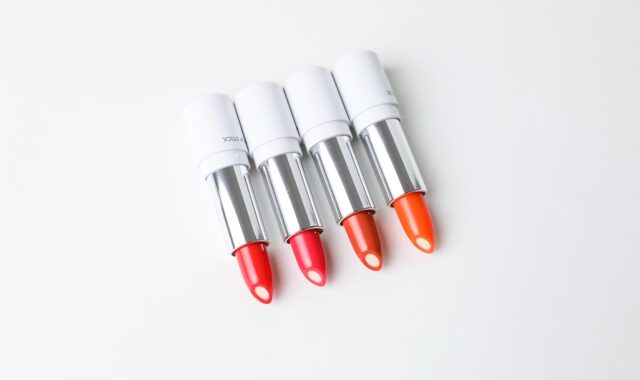
The eye range includes brows, eyeliner, mascara, palettes, and primer. The lip range includes gloss, liquid lipstick, lip oil, lip plumper, lip stain, and kits. Eye and lip products often raise more tolerance issues than shoppers expect. Mascara can irritate sensitive eyes, lip plumpers can create a tingling or warming sensation by design, and matte liquid lipsticks may feel drier than oils or glosses. Match the format to your routine rather than assuming every product from one brand will behave the same way.
Brand claims to read carefully
TheBalm’s own FAQ states that it offers paraben-free and cruelty-free products, and that its cosmetics line is not considered vegan. This distinction matters. Cruelty-free usually refers to animal testing policies, while vegan refers to whether animal-derived ingredients are used. A brand can be cruelty-free and still not be fully vegan. Shoppers who avoid beeswax, carmine, lanolin derivatives, or other animal-derived ingredients should check each ingredient list rather than relying on a general brand impression.
The brand also says ingredients are listed online by product. That is useful because ingredient transparency allows shoppers to review allergens, oils, waxes, colorants, fragrance components, and talc. Ingredient lists can change when formulas are updated, however, so the product box, tube, or compact should be treated as the final source for the item in hand.
Claims such as clean beauty, green packaging, talc-free, paraben-free, or recyclable packaging should also be read at product level. A collection page can highlight a brand direction, but it does not prove that every item in the catalogue has the same formula or packaging profile. If a specific claim is important to you, confirm it on the product page and on the physical packaging before purchase.
What cosmetics regulations add to the buying decision
Regulation is not a substitute for personal preference, but it gives shoppers a useful reality check. In the United States, FDA guidance explains that cosmetic products and ingredients generally do not require FDA approval before they go to market, with the exception of color additives. The same FDA guidance emphasizes that cosmetics must be properly labeled and safe for consumers under labeled or customary conditions of use. In practical terms, a product being sold in the market is not the same as the FDA endorsing the formula.
Since the Modernization of Cosmetics Regulation Act, the U.S. cosmetics landscape has moved toward more formal facility registration and product listing. FDA public data showed more than 16,000 active facility registrations and more than 1.2 million active cosmetic product listings as of June 30, 2026. For shoppers, the takeaway is simple: compliance systems are becoming more visible, but individual product suitability still depends on ingredients, labeling, and correct use.
For the UK and Great Britain market, GOV.UK consumer guidance says cosmetic products must be safe, must include required product information, and must have a named Responsible Person with a UK or EU address. The same guidance tells consumers to be cautious if product information is missing, minimal, not in English, or lacks a named Responsible Person. This is especially relevant when buying imported cosmetics through marketplaces, resale listings, or discount channels where packaging and distribution details may be unclear.
Animal testing claims also need context. European Commission materials describe a phased EU ban, including a ban on testing finished cosmetic products on animals from September 11, 2004, a ban on testing cosmetic ingredients from March 11, 2009, and the final stage of the marketing ban from March 11, 2013 for specified health effects. This does not automatically verify every brand claim worldwide, but it shows why cruelty-free wording can involve both company policy and market rules. See also: Beauty Ingredients.
Ingredient checks that matter most
A sensible ingredient review does not require fear-based shopping. It means identifying what matters for your skin, your ethics, and your comfort. TheBalm’s FAQ indicates that the line is not considered vegan, so vegan shoppers should review every formula. Sensitive-skin shoppers should look for fragrance, essential oils, certain botanical extracts, drying alcohols, and strong plumping ingredients. Acne-prone shoppers may want to compare oils, butters, waxes, and film-formers against their own history rather than relying on generic comedogenicity charts.
Talc is another area where shoppers should avoid oversimplification. The FDA describes talc as an ingredient used in many cosmetic products, including blush, and has continued asbestos testing of talc-containing cosmetics. This does not mean every talc-containing product is unsafe, and it also does not mean talc-free is automatically better for every user. It does mean that shoppers who prefer to avoid talc should verify the ingredient list for the exact shade and product version they are buying.
For eye-area products, pay attention to color additives and intended use. A pigment safe for cheeks or lips is not always intended for the immediate eye area. For lip plumpers, read use instructions and discontinue use if irritation goes beyond the expected temporary sensation. For complexion products, check the period-after-opening symbol and avoid using formulas that have changed smell, color, or texture.
How to decide if the brand fits your routine
TheBalm is likely to suit shoppers who enjoy compact makeup, retro design, and products that can move between everyday and more polished looks. It may be less suitable for shoppers who want a fully vegan brand, a purely skincare-led makeup line, or a highly technical pro-artist shade system. That does not make the brand better or worse; it simply defines where it sits.
| Shopping priority | What to check with TheBalm | Why it matters |
|---|---|---|
| Fast everyday makeup | Cheek color, mascara, tinted moisturizer, lip oil, compact palettes | These categories fit quick routines and smaller makeup bags. |
| Vegan beauty | Every individual ingredient list | The brand FAQ says the line is not considered vegan. |
| Fragrance sensitivity | Complexion, skincare, lip, and plumping products | Leave-on products can be more noticeable on reactive skin. |
| Talc avoidance | Powder blush, bronzer, highlighter, and setting powders | Talc status should be verified product by product. |
| Gift buying | Kits, travel sizes, and shade flexibility | Flexible shades reduce the risk of a poor match. |
When choosing shades, start with categories that are more forgiving. Lip oils, glosses, and sheer cheek colors are easier to buy without an exact match. Foundation, concealer, and deeper bronzers require more caution because undertone errors are more visible. If possible, compare swatches in natural light and wait a few minutes before judging complexion products, since some formulas shift slightly as they dry down.
Buying checklist before you add to cart
- Confirm the product category and finish, not just the shade name.
- Read the current ingredient list on the product page and on the package when it arrives.
- Check whether the item is vegan if that matters to you.
- Verify talc-free, paraben-free, or packaging claims at product level.
- For UK or GB purchases, look for required labeling information and a Responsible Person address.
- Buy through official or clearly authorized retail channels when possible.
- Avoid products with missing labels, unclear batch information, damaged seals, or unusually vague seller descriptions.
- Patch test new complexion, lip plumping, or eye products if you have a history of sensitivity.
The most useful way to shop TheBalm is to treat it as a style-forward makeup brand with verifiable product details, not as a universal answer to every beauty need. Its strengths are recognizable packaging, a broad color cosmetics range, and accessible routine-building formats. Its limitations are the same ones shoppers should consider with many makeup brands: not every formula is vegan, not every claim applies to every item, and shade or ingredient suitability is personal.
Frequently asked questions
Is TheBalm Cosmetics cruelty-free?
The brand’s own FAQ describes TheBalm products as cruelty-free. Shoppers should still distinguish cruelty-free from vegan, because the same FAQ says the cosmetics line is not considered vegan.
Is TheBalm Cosmetics vegan?
No, not as a full line according to the brand’s public FAQ. If you shop vegan, check each product and shade for animal-derived ingredients instead of relying on the brand name alone.
Are TheBalm products talc-free?
Do not assume the entire range is talc-free. Some brand materials discuss newer formulas and talc-free positioning, but shoppers should verify the ingredient list for each product, especially powder blush, bronzer, highlighter, and setting powder.
What should first-time shoppers try first?
Start with flexible categories such as blush, bronzer, highlighter, lip oil, gloss, mascara, or a small kit. These are usually easier to fit into an existing routine than foundation or concealer, where shade matching is more demanding.
How can I avoid counterfeit or poorly labeled cosmetics?
Buy from official or authorized sellers, check batch and labeling details, and avoid listings with missing product information. For UK or GB purchases, GOV.UK guidance says shoppers should be cautious when cosmetic products lack clear English information or a named Responsible Person.