Healthy hair tips for a stronger scalp-to-ends routine

a[data-rs-seo-link]{text-decoration:underline!important;color:#1a56db!important;cursor:pointer!important;}a[data-rs-seo-link]{text-decoration:underline!important;color:#1a56db!important;cursor:pointer!important;}
Start with the habits that protect hair every week
The most useful healthy hair tips are straightforward: cleanse the scalp well, condition the lengths consistently, limit heat and tension, and recognize when shedding may be more than a cosmetic issue. Dermatology sources such as the American Academy of Dermatology emphasize that shampoo should mainly clean the scalp, while conditioner helps protect the hair shaft after washing. That distinction matters because the scalp and the ends have different needs. The scalp collects oil, sweat, skin cells, and styling residue; the ends are older, drier, and more prone to breakage. For more beauty routine ideas, explore our Usage Tips section.
This guide focuses on practical, evidence-aware hair care rather than quick fixes. The aim is hair that feels cleaner at the roots, softer through the lengths, and less vulnerable to preventable breakage.
Know what healthy hair care can and cannot change
A good routine can improve how hair looks and feels, but it cannot address every cause of thinning, shedding, or texture change. Hair care products work mainly on the scalp surface and hair shaft. They can reduce friction, improve slip, temporarily smooth the cuticle, and help prevent new breakage. They cannot permanently repair a split end or treat every medical cause of hair loss.
That distinction makes shopping and styling decisions more realistic. A conditioner can make dry lengths easier to comb. A heat protectant can reduce some styling stress. A gentle cleansing routine can keep the scalp more comfortable. However, gradual thinning, sudden bald patches, scalp pain, or shedding after illness, childbirth, medication changes, or rapid weight loss may need professional evaluation. The Mayo Clinic and the American Academy of Dermatology both note that hair loss can be linked to genetics, hormones, medical conditions, stress, medications, and nutrition issues.
- Cosmetic goal: reduce frizz, dullness, tangling, and breakage.
- Scalp goal: keep oil, buildup, and irritation under control without over-stripping.
- Health goal: notice unusual shedding or scalp symptoms early enough to ask for help.
Wash for your scalp and condition for your ends
There is no universal washing schedule for every hair type. The right frequency depends on scalp oiliness, sweat, product use, hair density, curl pattern, and chemical processing. An oily scalp or heavy styling product use may call for more frequent washing. Dry, curly, coily, bleached, or chemically treated hair may feel better with gentler cleansing and more conditioning support.
Use shampoo where it is needed most
When shampooing, focus on the scalp rather than scrubbing the full hair length. The American Academy of Dermatology advises concentrating shampoo on the scalp because this is where oil and buildup collect. As the shampoo rinses out, it will move through the lengths. Rubbing shampoo aggressively through the ends can make already-dry hair feel rougher.
Use the pads of your fingers, not your nails, and work in sections if your hair is dense. If you use oils, dry shampoo, gels, sunscreen near the hairline, or heavy leave-ins, a second gentle lather may be useful from time to time. If your hair feels squeaky, tangled, or straw-like after every wash, your cleanser may be too strong for your routine.
Condition every time you shampoo
Conditioner is not only for shine. It improves slip, reduces friction during detangling, and helps hair feel smoother after cleansing. Apply it mainly from mid-lengths to ends unless the product is specifically designed for the scalp. Fine hair may do better with lightweight conditioner on the ends only. Coarse, curly, coily, or color-treated hair may benefit from richer conditioners, leave-ins, or occasional masks.
Rinse according to your hair type and style goal. A full rinse can keep fine hair from looking flat. A slightly softer rinse may help dry curls feel more flexible. If a conditioner leaves your hair limp, oily, or coated, try using less product before assuming conditioner itself is the problem.
Reduce mechanical damage before buying more products
Many breakage problems come from daily handling rather than one major mistake. Wet hair is easier to stretch and damage, so detangling should be slow and supported by conditioner or a leave-in product. Start near the ends and work upward. A wide-tooth comb, detangling brush, or fingers may all work, but technique matters more than the tool.
Lower towel and brush friction
After washing, blot instead of twisting or rubbing. A soft towel or cotton T-shirt can reduce rough friction, especially for wavy, curly, or fragile hair. If your hair tangles easily, separate it into sections before drying. Brushing from roots to ends through knots can turn tangles into broken strands.
Choose accessories that do not snag. Smooth hair ties, claw clips, silk or satin scrunchies, and looser styles can reduce stress at the same repeated points. If you hear snapping while styling, see short broken hairs around the sink, or notice thinning where a ponytail or bun always pulls, your routine likely needs less tension.
Avoid repeated tight styles
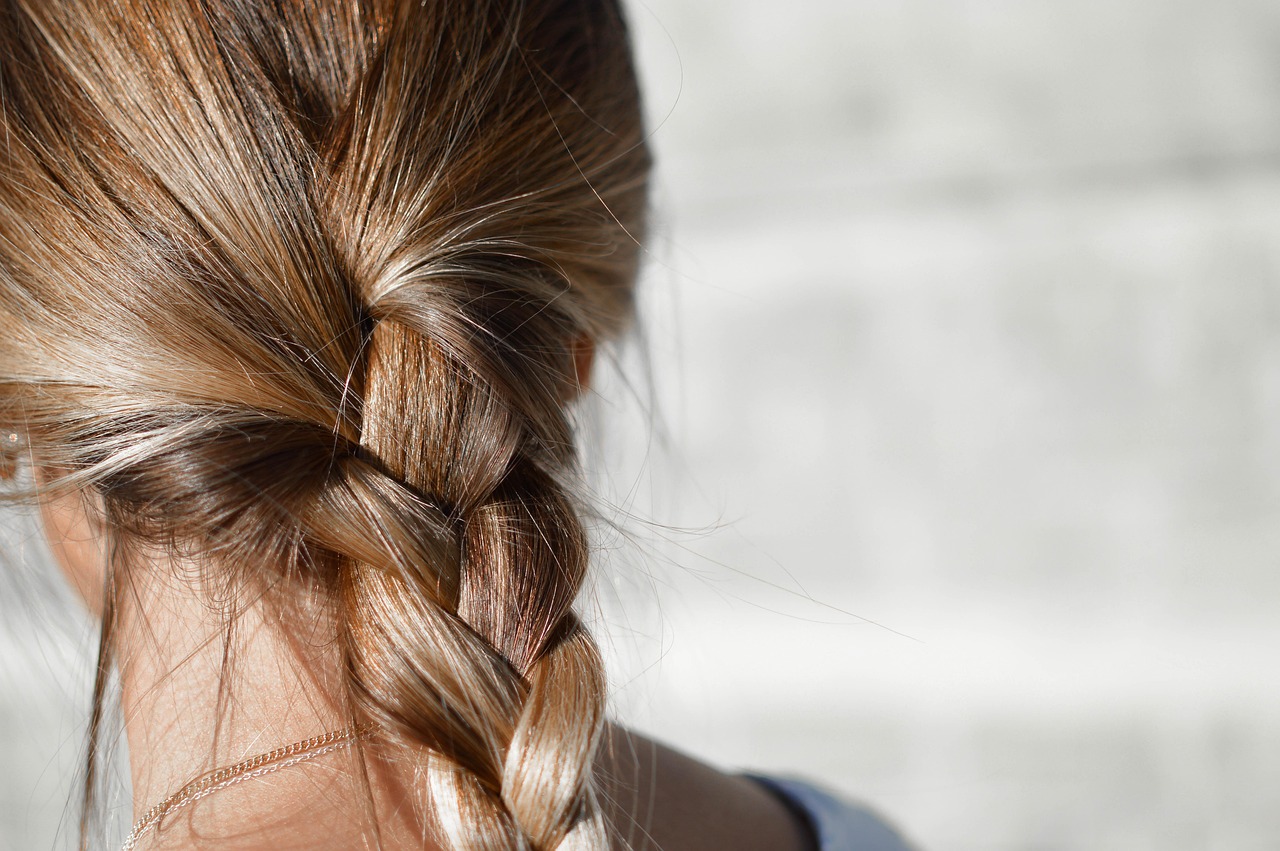
Frequent tight ponytails, buns, braids, cornrows, weaves, or heavy extensions can contribute to traction alopecia, a form of hair loss caused by repeated pulling on follicles. The American Academy of Dermatology warns that hairstyles that pull tightly can lead to this condition, especially when tension is repeated over time. Low-tension styling does not mean avoiding all polished looks. It means rotating parts, loosening edges, reducing weight, and giving the hairline regular breaks.
Use heat and chemical services with a damage budget
Heat styling can be part of a routine, but it should have limits. Blow-dryers, curling irons, hot brushes, and straighteners all add stress, especially when used often on bleached, highlighted, relaxed, or already brittle hair. Letting hair air-dry partway before using a dryer, choosing lower heat settings when possible, and using a heat protectant can reduce avoidable damage. No protectant makes high heat harmless, so frequency still matters.
| Routine choice | Lower-damage adjustment | Why it helps |
|---|---|---|
| Daily straightening or curling | Reserve hot tools for selected days | Reduces repeated cuticle stress |
| Rough towel drying | Blot with a soft towel or T-shirt | Reduces friction and frizz |
| Tight ponytail every day | Rotate styles and loosen the hairline | Reduces pulling on follicles |
| Bleach plus frequent heat | Add recovery days and richer conditioning | Supports fragile lengths between services |
Be cautious with smoothing and straightening products
Some salon and at-home smoothing treatments raise safety questions beyond ordinary dryness or breakage. The U.S. Food and Drug Administration has warned that many hair smoothing or straightening products can release formaldehyde gas when heated, and formaldehyde is classified as a known human carcinogen by major health authorities. This does not mean every smoothing service is the same, but it does mean consumers should read ingredient lists, ask salons what products they use, and take ventilation and fumes seriously.
If your scalp burns during a chemical service, if your eyes water intensely, or if a product produces strong fumes, stop and reassess. Treat those signals as safety concerns, not as normal discomfort to push through. See also: Beauty Ingredients.
Support hair from the inside without chasing supplement hype
Hair needs overall nutritional support, but supplements are often oversold. The National Institutes of Health Office of Dietary Supplements notes that biotin deficiency can cause thinning hair and loss of body hair, but that does not mean high-dose biotin is a proven shortcut for everyone with normal levels. More is not automatically better, and supplements can interact with lab tests or health conditions.
A balanced approach is more useful: eat enough protein, include iron-rich and nutrient-dense foods, stay hydrated, and speak with a health professional if you suspect a deficiency. This is especially important if shedding follows rapid weight loss, restrictive dieting, heavy periods, pregnancy, illness, or a major stressor. Hair is not the body’s top priority during physical stress, so shedding can appear months after the trigger.
Be skeptical of any product that promises guaranteed growth without addressing the cause of the problem. A cosmetic product may make hair look fuller by coating strands, adding texture, or reducing breakage, but medical hair loss requires a different conversation.
Match product choices to your hair type and routine
The most effective routine is usually the one you can repeat. Instead of buying every trending product, choose based on your scalp, ends, styling habits, and tolerance for buildup.
- Fine or oily hair: look for lightweight shampoo and conditioner, apply conditioner mostly to the ends, and avoid heavy oils near the roots.
- Dry or color-treated hair: use gentler cleansing, consistent conditioner, and occasional masks focused on softness and manageability.
- Curly or coily hair: prioritize slip, moisture retention, careful detangling, and low-tension protective styles.
- Heat-styled hair: use heat protectant, lower temperatures when possible, and schedule heat-free days.
- Product-heavy routines: clarify occasionally if hair feels coated, dull, sticky, or resistant to water.
Introduce one product at a time when possible. If you change shampoo, conditioner, leave-in, oil, and styling cream in the same week, it becomes difficult to know what helped or what caused buildup. Give a new product several uses unless it causes itching, burning, flaking, or obvious irritation.
When to stop troubleshooting and ask a professional
Some shedding is normal. The American Academy of Dermatology states that many people shed about 50 to 100 hairs per day. Concern rises when shedding is sudden, patchy, prolonged, or paired with scalp symptoms. A widening part, thinner ponytail, bald patches, burning, scaling, pain, or clumps of hair after brushing or washing should not be dismissed as a routine product problem.
Professional advice is also important if hair loss follows a new medication, illness, high fever, surgery, childbirth, rapid weight change, or major stress. In many cases, earlier evaluation gives more options and reduces months of guessing. Bring photos, a list of products, recent health changes, medications, supplements, and the timeline of shedding to the appointment.
Frequently asked questions
How often should I wash my hair?
Wash often enough to keep your scalp comfortable and free of excess oil, sweat, and buildup. Some people need frequent washing; others do better with longer intervals. Scalp condition, styling products, exercise, and hair texture all matter.
Can damaged hair become healthy again?
New growth can be cared for more gently, and existing hair can look and feel better with conditioning and reduced friction. However, split ends and severe chemical damage cannot be permanently repaired. Trimming damaged ends often makes the overall style look healthier.
Are oils necessary for healthy hair?
Oils can help some routines by adding shine, reducing friction, or improving the feel of dry ends. They are not required for everyone, and too much oil can weigh down fine hair or worsen buildup on the scalp.
Do heat protectants prevent all heat damage?
No. Heat protectants can reduce some damage, but they do not make high temperatures risk-free. Lower heat, fewer passes, and less frequent styling are still important.
What is the most overlooked healthy hair tip?
Pay attention to the scalp and the hairline. Cleanse the scalp properly, avoid repeated tension, and take sudden shedding or scalp discomfort seriously instead of covering it with more styling product.