Product and packaging design in beauty where aesthetics meet compliance and sustainability
a[data-rs-seo-link]{text-decoration:underline!important;color:#1a56db!important;cursor:pointer!important;}a[data-rs-seo-link]{text-decoration:underline!important;color:#1a56db!important;cursor:pointer!important;}
Why beauty packaging design now carries more weight
Product and packaging design in beauty now has to do more than create shelf appeal. A pack must protect the formula, express the brand, support safe use, work in retail and ecommerce handling, and avoid environmental claims that cannot be supported. A striking jar or bottle may win the first look, but the stronger design test is whether the whole system works from filling line to bathroom shelf to end-of-life disposal.
For skincare, fragrance, haircare and color cosmetics, packaging sits at the intersection of aesthetics, regulation, material science and consumer trust. Effective design therefore starts before artwork. It begins with the product format, the market where it will be sold, the information that must appear on pack, and the realistic recovery route for each material.
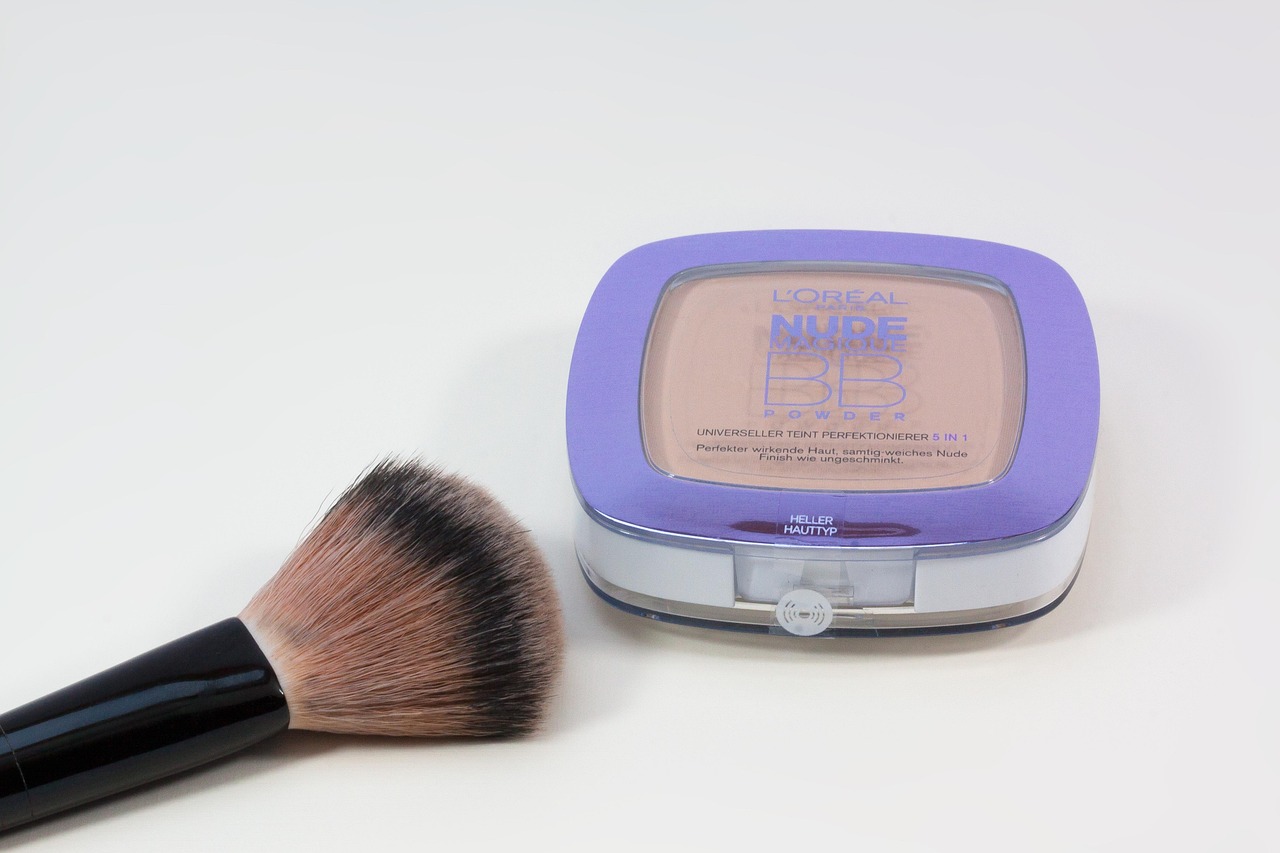
This article looks at practical decisions behind beauty packaging and connects them to wider packaging design themes without treating sustainability as a slogan or visual style.
What product and packaging design means in beauty
In beauty, product design and packaging design are separate disciplines, but they cannot be treated in isolation. Product design covers the formula format, use occasion, sensorial experience, applicator, dosage and safety expectations. Packaging design turns those choices into a physical and visual system.
A serum with unstable actives may need light protection and controlled dispensing. A balm may work in a mono-material paperboard tube only if the formula, barrier requirement and consumer handling support that choice. A lipstick refill system is not just a sustainability idea; it is a product architecture decision that affects tolerances, magnets, click-feel, hygiene, cost and replacement behaviour.
The most useful way to view a beauty pack is as a layered system:
- Primary packaging touches or directly contains the formula, such as a jar, tube, bottle, pan, compact or vial.
- Closure and dispensing components control dose, hygiene and leak resistance, including pumps, droppers, wands, caps, aerosols and airless systems.
- Secondary packaging can add protection, tamper evidence, shelf presentation, instructions or regulatory space.
- Transport packaging protects the item in distribution and increasingly matters as beauty sales move between physical retail and ecommerce.
- Graphic and information design makes brand codes, claims, ingredient information, warnings and disposal instructions legible and credible.
A pack that looks minimal but depends on a complex mixed-material pump, an oversized carton and an unsupported environmental claim may be weaker than a more conventional pack that is lighter, easier to sort and clearer for the shopper. Good design is not always the most visually unusual design. It is the design that resolves the most constraints with the least confusion.
Regulation and waste rules are reshaping early design choices
Beauty packaging teams increasingly have to design with future regulatory pressure in mind. In the European Union, Regulation (EU) 2025/40 on packaging and packaging waste entered into force on 11 February 2025 and has applied from 12 August 2026. The European Commission describes the regulation as covering the packaging life cycle, with requirements connected to recyclability, recycled content in plastic packaging, packaging minimisation and labelling; EU institutions have also stated the goal of making packaging on the EU market recyclable in an economically viable way by 2030. (environment.ec.europa.eu)
For beauty brands, this does not create one approved answer for every pack. It does mean material choice, component separation, decoration, labels and small-format items need more detailed design review. Cosmetics Europe has highlighted an industry-specific concern that small cosmetic packs can be technically recyclable but may still be missed by existing sorting systems. That distinction matters because a pack can look responsible in isolation while underperforming in real recovery infrastructure. (cosmeticseurope.eu)
In the United Kingdom, packaging Extended Producer Responsibility is also changing the commercial context. GOV.UK guidance on 2025 base fees explains that fees paid by producers support packaging waste management, and in-scope materials are assigned red, amber or green ratings under the Recyclability Assessment Methodology, with red being the least recyclable. This creates a clearer cost signal around design for recyclability, not just a communications incentive. (gov.uk)
Cosmetic labelling is another design constraint that cannot be left until the final artwork stage. GOV.UK guidance says cosmetic product containers and packaging for Great Britain must show information such as the product function, precautions for use, weight or volume where applicable, Responsible Person name and address, batch identification, use-by information where required, country of origin for imported products and ingredient listing, with information in English and easy to read. (gov.uk)
The design decisions that make a beauty pack work
Protection comes before decoration
A beauty pack must first protect product performance and user safety. Oxygen, light, moisture, microbial exposure and physical shock can all affect formulas differently. A vitamin C serum, fragrance, pressed powder and shampoo bar do not need the same packaging logic. The correct pack is tied to formula testing, compatibility testing and transport testing, not only to visual preference. If the chosen packaging makes the product leak, oxidise, dry out or become hard to dose, the brand experience fails even if the shelf presentation is attractive.
Component simplicity improves recovery potential
Many beauty packs are small, decorated and component-heavy. Pumps, metallised collars, mirrors, magnets, multilayer tubes and mixed labels can help create a premium feel, but they may complicate recycling or disassembly. Designers should ask whether each extra part is functional, brand-essential or simply decorative. A simpler pack is not automatically better, but avoidable complexity should earn its place.
Dispensing is part of brand experience
Packaging is often the part of the product people touch most. The amount released by a pump, the control of a dropper, the way a compact opens, and the feel of a cap closing all shape quality perception. In refillable systems, dispensing and assembly must be intuitive enough that shoppers can repeat the behaviour without instructions every time. A refill that is messy, hard to align or visually less satisfying than the original pack risks becoming a one-time experiment.
Information design builds trust
Beauty shoppers read packaging differently depending on the category. Some look for actives, others for shade, texture, fragrance notes, skin type, claims, allergens, cruelty-free statements, origin cues or disposal guidance. Information hierarchy should match that behaviour. The front panel does not need to carry every message. Effective packs choose a small number of front-of-pack cues and move detail to the side, back, leaflet or a clearly signposted digital destination where permitted.
Sustainability claims need evidence, not styling
Sustainable-looking design is not the same as a sustainable claim. Kraft textures, green colour palettes and leaf icons can imply environmental benefits even when the actual material system is not meaningfully improved. In the UK, the Competition and Markets Authority Green Claims Code warns that environmental claims should be truthful, accurate and not hide important information; it also notes that broad terms such as green or eco-friendly can be problematic if they are not properly qualified. (gov.uk)
For brands selling into the United States, the Federal Trade Commission Green Guides take a similar evidence-based approach. FTC guidance says broad general environmental benefit claims are difficult to substantiate, and recyclable claims should be qualified when appropriate recycling facilities are not available to at least 60 percent of the consumers or communities where the product is sold. (ftc.gov) See also: Beauty Ingredients.
The practical implication is direct: every environmental statement should identify what it applies to, what is measured and what limitations exist. Instead of saying a product is eco-friendly, packaging copy may need to specify that a carton contains a defined percentage of recycled fibre, that a bottle is refillable, or that a component is recyclable only where local facilities exist. Specific claims may feel less dramatic, but they are more useful to shoppers and less risky for the brand.
| Design route | Potential value | Main limitation to check |
|---|---|---|
| Packaging elimination | Removes unnecessary wrappers, leaflets or secondary cartons where safe and legal | May reduce instruction space, tamper evidence or retail protection |
| Lightweighting | Reduces material use and transport weight | Can weaken premium feel or increase breakage if overdone |
| Mono-material design | Can improve sorting and recycling compatibility | May not meet barrier, pump or decoration requirements |
| Refill or reuse | Can keep durable components in use longer | Needs convenient refills, hygiene control and repeat customer behaviour |
| Recycled content | Can reduce demand for virgin material | Requires reliable supply, quality control and accurate claims |
Refill and reuse are promising, but convenience decides adoption
Refillable beauty packaging attracts attention because it can connect premium design with waste reduction. The Ellen MacArthur Foundation has reported cosmetics examples such as bar formats, refill stations and elimination of unnecessary plastic wrappers among companies working on circular packaging models. Its broader reuse work also points to the importance of system design rather than treating refill as a single component swap. (ellenmacarthurfoundation.org)
However, refill models should be evaluated carefully. Market commentary from Mintel in 2026 described refillable formats in the United States as growing modestly, with only 7 percent growth in launches between 2022 and 2024, while sustainable fragrance launches rose 80 percent over the same period. Mintel identified convenience as a major barrier to wider refill adoption in beauty. (mintel.com)
In design terms, refill works best when the refill is easy to find, cheaper or clearly valuable, simple to install, hygienic, and visually compatible with the original pack. Fragrance, prestige skincare creams and durable compacts can be strong candidates because consumers may already treat the outer pack as an object worth keeping. Low-cost products with messy liquids or unclear refill savings may face more resistance.
A practical workflow for stronger beauty packaging
A disciplined product and packaging design process should move from constraints to concepts, not the other way around. The following workflow can help keep creative ambition aligned with technical and regulatory reality.
- Define the use case. Identify where the product will be used, how often, by whom and under what storage conditions.
- Map market requirements. Confirm the target markets, labelling obligations, language needs, claims rules, retailer requirements and packaging waste responsibilities before design lock.
- Set material priorities. Decide whether the project is prioritising protection, refillability, recyclability, recycled content, weight reduction, premium feel or cost control. Not all goals can be maximised at once.
- Prototype the whole system. Test primary packaging, closure, label, secondary pack and transport packaging together. A beautiful bottle can fail if its label scuffs, pump leaks or carton crushes.
- Review claims with evidence. Keep records for recycled content, recyclability statements, refill claims, certifications and comparative claims. Avoid broad environmental language that cannot be substantiated.
- Design for the after-use moment. Consider whether consumers can separate components, understand disposal instructions and access the intended collection or refill route.
- Check retail and ecommerce presentation. Beauty packaging must communicate quickly in-store but also survive shipping, appear accurately online and provide enough information for digital shoppers.
The strongest packaging projects usually involve brand, regulatory, procurement, manufacturing, sustainability and creative teams early. If design is treated only as a late-stage artwork task, the biggest decisions have already been made and many improvements become expensive or impossible.
What beauty brands should avoid
Several recurring mistakes weaken otherwise attractive beauty packaging. The first is designing for shelf photography rather than real use. A sculptural bottle that cannot be gripped with wet hands or a cap that stains easily may create disappointment after purchase. The second is adding sustainability language before confirming evidence. The third is selecting fashionable materials without checking formula compatibility, local recycling reality or component supply. The fourth is using tiny typography to preserve a clean front panel while making required information difficult to read.
Another common error is assuming premium must mean heavier. Heavy glass, metallised details and thick cartons can signal luxury, but they can also increase transport emissions, breakage risk and material cost. Modern premium design increasingly depends on proportion, tactile control, refill architecture, colour discipline and clear information, not simply more material.
Frequently asked questions
What is the difference between product design and packaging design in beauty?
Product design defines the formula experience, applicator logic, use occasion and performance expectations. Packaging design creates the physical and visual system that protects, dispenses, explains and presents that product. In beauty, the two should be developed together because formula stability, hygiene, claims, refillability and user experience are connected.
Does sustainable beauty packaging always mean paper or glass?
No. Paper and glass can be useful, but neither is automatically the best answer. The better choice depends on barrier needs, weight, breakage risk, local recycling infrastructure, refill behaviour and the amount of material used. A lighter recyclable plastic pack may outperform a heavier alternative in some contexts, while a durable refillable glass or metal pack may make sense in others.
Why are refillable beauty packs difficult to scale?
Refillable packs require more than a reusable outer container. They need convenient refill access, intuitive installation, hygiene protection, clear savings or value, and a design that still feels desirable after repeated use. If the refill creates mess, confusion or little benefit, customers may not repeat the behaviour.
How early should compliance be considered in packaging design?
Compliance should be considered at the start of the project. Labelling space, language needs, Responsible Person details, batch coding, warning statements and environmental claims can all affect structure and graphics. Waiting until final artwork can lead to crowded labels, redesign costs or delayed launch timelines.
What makes a beauty pack feel premium without adding waste?
Premium cues can come from precision, proportion, controlled dispensing, durable closures, refined colour, legible typography and a satisfying opening or closing action. More material is not the only route to luxury. A lighter, well-engineered pack can feel more considered than an oversized one that appears wasteful.
The takeaway for beauty packaging design
Beauty packaging now has to earn attention and trust at the same time. The most resilient designs are not built around a single trend, material or claim. They combine formula protection, intuitive use, credible information, market-specific compliance and a realistic plan for end of life. For brands and editors watching the category, the important shift is clear: packaging design is moving from surface styling toward systems thinking. The brands that understand that shift will be better prepared for changing rules, more sceptical consumers and a beauty market where the pack is judged long after the first impression.